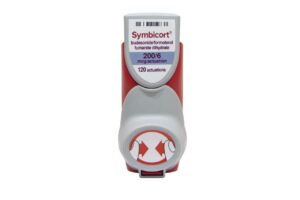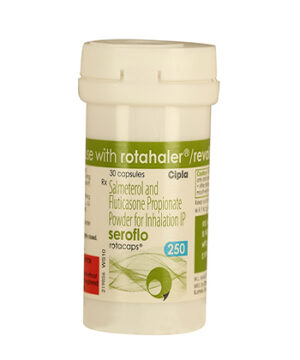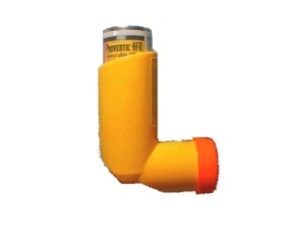
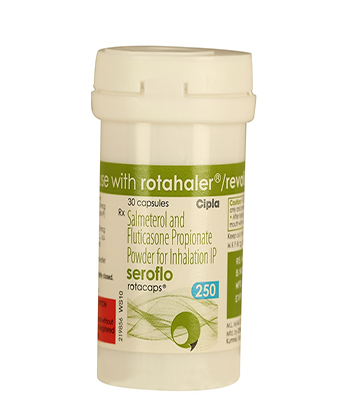
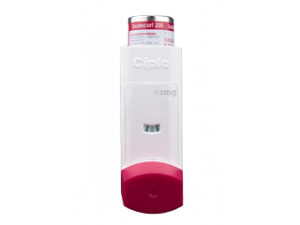
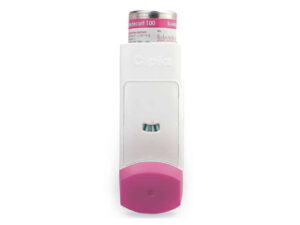
Advair Rotahaler (Fluticasone propionate) – Patient Information (Australia)
Advair Rotahaler is an inhaled medicine used to help control symptoms of certain long-term lung conditions. It contains fluticasone propionate, a corticosteroid that acts directly in the airways to reduce inflammation.
This page provides general information to help you understand how Advair Rotahaler works, when and how it’s used, and important safety considerations. Always follow the instructions given by your healthcare professional and the consumer medicine information supplied with your product.
Quick overview
- Active ingredient: Fluticasone propionate
- Medicine type: Inhaled corticosteroid (anti-inflammatory)
- Common use: Long-term control of asthma and other inflammatory airway conditions (as advised)
- How it’s taken: Inhalation using the Rotahaler device
- Key benefit: Reduces airway inflammation to improve symptoms and prevent flare-ups
- Not for fast relief: Usually not intended to stop a sudden asthma attack
What is Advair Rotahaler?
Advair Rotahaler is an inhaled corticosteroid designed to deliver medicine to the lungs. By targeting inflammation in the airways, fluticasone helps to reduce swelling, mucus production, and sensitivity of the airways.
The Rotahaler is a breath-actuated inhaler device. It loads a measured dose into the device and then releases it when you inhale correctly.
Note: Product strengths and dosing schedules can vary between formulations. Confirm the exact strength and schedule on your packaging.
How fluticasone propionate works (mechanism of action)
Fluticasone propionate is a corticosteroid. After inhalation, it acts in the lungs to:
- Reduce inflammation in the airways.
- Decrease airway swelling and mucus secretion.
- Lower the activity of inflammatory cells involved in asthma.
- Improve airflow over time by helping airways remain more open.
Important: Because it works by reducing inflammation, improvements are usually not immediate. Many people feel better within days, but full benefit may take several days to weeks depending on the condition and severity.
Pharmacokinetics (how the body handles the medicine)
Understanding pharmacokinetics can help explain why inhaled steroids are generally effective with relatively low whole-body exposure.
- Absorption in the lungs: After inhalation, a portion of fluticasone is deposited in the airways and lungs. Some is swallowed and absorbed through the gut.
- Oral (swallowed) absorption: Swallowed fluticasone has relatively low systemic availability due to first-pass metabolism in the liver.
- Metabolism: Fluticasone is primarily metabolised in the liver, mainly by CYP3A4.
- Elimination: Metabolites are mainly excreted through bile and faeces. A small fraction may be cleared through the kidneys.
Why this matters: Because metabolism is influenced by CYP3A4, interactions with certain medicines that inhibit or strongly affect this pathway may increase fluticasone levels.
Typical uses and indications
Advair Rotahaler is used for conditions where controlling airway inflammation is essential. Indications can vary by local product registration and patient factors. In general, inhaled fluticasone is used for:
- Asthma as part of long-term control to reduce symptoms and prevent exacerbations.
- Other airway inflammatory conditions where an inhaled corticosteroid is recommended by a clinician.
It is commonly used when symptoms require daily anti-inflammatory control. Your clinician may recommend it alone or alongside other controller medicines depending on your asthma severity and response.
Timing: when to take Advair Rotahaler
Use Advair Rotahaler at the same time each day to maintain consistent control. Many regimens are taken:
- Once daily for some patients and strengths, or
- Twice daily for others, depending on symptom control and prescribed regimen.
Missed dose: If you forget a dose, take it when you remember unless it is close to the next scheduled dose. Do not take extra doses to make up for a missed one.
Don’t use for sudden symptoms: If you experience sudden breathlessness or wheeze, follow your asthma action plan. A separate reliever (often a short-acting bronchodilator) is typically used for quick relief.
Dose and administration (general guidance)
Dose depends on the person, the strength available, and the severity of disease. The information below is for general understanding; always follow your prescribed directions and the product label.
Typical dosing principles
- Start low, review regularly: Asthma guidelines often aim for the lowest effective dose.
- Titrate based on control: If symptoms are not controlled, clinicians may adjust dose or add other controller therapies.
- Step down when stable: If symptoms are well controlled for a sustained period, dose may be reduced under medical supervision.
How to use the Rotahaler device (practical steps)
Different brands and inhaler designs can have specific steps. Follow your device instructions exactly. The following is a general example of correct technique for Rotahaler-style devices:
- Prepare: Ensure the device is ready and the dose is loaded according to the instructions.
- Breathe out gently away from the mouthpiece (do not blow into the device).
- Seal lips around the mouthpiece.
- Inhale strongly and steadily through your mouth until the dose is delivered (you may hear or feel a characteristic sound depending on device design).
- Hold your breath for about 5–10 seconds or as comfortably possible.
- Exhale slowly.
- Close and store the device as directed.
Rinse after inhaling (important): If you use an inhaled corticosteroid, it’s recommended to rinse your mouth with water and spit out (do not swallow) after each dose. This can reduce the risk of thrush (oral candidiasis) and hoarse voice.
Food interactions
Because Advair Rotahaler is delivered to the lungs, food interactions are generally not a major concern. However:
- Swallowed portion: A small amount of inhaled medicine may be swallowed. In most patients, this does not lead to clinically significant food-related effects.
- General advice: Taking it consistently at the same time of day is more important than relation to meals.
If you have a sensitive stomach or are managing multiple medicines, ask your pharmacist or doctor for personalised advice.
Alcohol and medicine interactions
Alcohol
Moderate alcohol intake is not typically a direct interaction with inhaled fluticasone. However, alcohol can affect asthma in some people by:
- Triggering reflux or irritation that may worsen breathlessness.
- Contributing to dehydration or sleep disruption.
- Increasing risk if you’re feeling unwell or have poor symptom control.
Practical tip: If alcohol seems to worsen your asthma symptoms, discuss this with your healthcare provider.
Medicine interactions (key points)
Fluticasone is metabolised mainly by CYP3A4. Some medicines that inhibit CYP3A4 can increase fluticasone exposure and potentially raise the risk of side effects from corticosteroids.
- Strong CYP3A4 inhibitors (examples include some azole antifungals and certain HIV medicines) may significantly increase fluticasone levels.
- Corticosteroids (systemic) or other inhaled steroids: Using additional steroid-containing medicines may increase total steroid exposure.
- Other inhaled medicines: Most asthma controller or reliever medicines can be used alongside inhaled steroids, but the best order and technique should match your action plan.
Always inform your pharmacist about all medicines you take, including over-the-counter products and herbal supplements.
Safety profile and side effects
Like all medicines, Advair Rotahaler can cause side effects. Many people have few or no problems, especially with correct inhaler technique and mouth rinsing after use.
Common side effects
- Hoarse voice or throat irritation
- Oral thrush (white patches in the mouth or soreness)
- Dry mouth
- Mild cough or throat clearing
Less common but important risks
- Reduced adrenal function (rare at typical inhaled doses, but risk may increase with higher doses or long-term use)
- Systemic steroid effects (rare with inhaled therapy but more likely if total exposure is high)
- Eye problems such as glaucoma or cataracts (risk increases with long-term steroid exposure; report symptoms like vision changes)
- Infections may occur more easily, including thrush
Seek urgent medical advice if
- You develop signs of a serious allergic reaction (e.g., swelling of face/lips, difficulty breathing beyond your usual asthma symptoms, hives)
- Your asthma symptoms worsen rapidly or your reliever is not effective as expected
- You experience severe chest tightness, persistent coughing, or unusual breathing difficulties
Using inhaled steroids safely
- Use the correct dose and technique.
- Rinse your mouth after each dose.
- Have your inhaler technique checked regularly.
- Don’t stop suddenly unless advised—your clinician may recommend step-down strategies.
Practical use tips (to get the best results)
1) Check your inhaler technique
Incorrect inhaler technique is a common reason for poor symptom control. If you’ve had frequent symptoms or exacerbations, ask a clinician or pharmacist to watch you use your Rotahaler and correct technique.
2) Use it consistently
Even when you feel better, continue your controller medicine if it’s part of your plan. Inhaled corticosteroids work over time to reduce inflammation, and benefit can diminish if doses are missed.
3) Track your symptoms
- Note daytime symptoms, night waking, and reliever use.
- Monitor peak flow if your action plan includes it.
- Report pattern changes to your healthcare provider.
4) Manage mouth-related effects
- Rinse and spit after use.
- If thrush occurs frequently, speak with your pharmacist or doctor—treatment and technique adjustments may be needed.
5) Ensure device care
Keep the device clean and dry according to the instructions. Don’t attempt to modify it.
Alternative options (if Advair Rotahaler isn’t suitable)
Alternative inhaled controller options may include different corticosteroids, or combination inhalers (for example, a corticosteroid plus a long-acting bronchodilator), depending on your diagnosis and symptom control.
Possible alternatives include:
- Other inhaled corticosteroids (different brands/strengths)
- Combination inhalers that pair an inhaled corticosteroid with a long-acting bronchodilator
- Non-inhaled options for specific patients where inhaler use is not feasible (discuss with a clinician)
Key point: Choice depends on your asthma severity, inhaler technique, comorbidities, and response to previous treatment. Your healthcare professional can guide the best fit.
Market and legal context in Australia (consumer-friendly overview)
Medicines in Australia are regulated by the Therapeutic Goods Administration (TGA). Availability, labelling requirements, and product listings can change over time.
- Product registration and listing: Medicines must be evaluated for quality, safety, and efficacy before being listed or included on the Australian Register of Therapeutic Goods.
- Pharmacy supply: Many asthma medicines are supplied through community pharmacies, with guidance from pharmacists and prescribers.
- Asthma education: Australia places strong emphasis on asthma action plans, inhaler technique education, and regular review of control.
Note: If a particular strength or device type is temporarily unavailable, your pharmacist may suggest equivalent alternatives available in Australia.
Recent guidance and best-practice considerations
Asthma management in Australia generally follows evidence-based guidelines from recognised respiratory and primary care bodies. While individual recommendations vary by patient, common themes include:
- Regular review of asthma control (symptoms, reliever use, risk factors).
- Optimising inhaler technique before increasing dose.
- Stepping treatment up or down based on control over time.
- Using a written asthma action plan to manage worsening symptoms.
Because asthma recommendations evolve with new evidence, your pharmacist or doctor can tell you what is most current for your situation.
Delivery and availability (online pharmacy information for Australia)
Availability can vary by stock levels and your required strength. When ordering online:
- Check product strength and device type before purchase.
- Delivery timeframes depend on your location and the pharmacy’s dispatch schedule.
- Substitutions: If your exact product is unavailable, you may be offered an appropriate alternative—this depends on supply rules and your clinician/pharmacist advice.
If you need your medicine urgently, contact the online pharmacy or ask for expected dispatch times.
FAQ
1) Is Advair Rotahaler the same as a “reliever” inhaler?
No. Advair Rotahaler contains an inhaled corticosteroid (fluticasone) designed for long-term control. Reliever medicines work more quickly to relieve sudden symptoms. If your symptoms flare, follow your asthma action plan and use your prescribed reliever.
2) How quickly will I feel better?
Some people notice improvement within days, but the full anti-inflammatory effect may take longer—often several days to weeks. Consistent daily use is important.
3) Should I rinse my mouth after using it?
Yes. Rinse your mouth with water and spit out (do not swallow) after each dose to reduce the risk of thrush and hoarseness.
4) What if I accidentally miss a dose?
Take it when you remember unless it is close to your next scheduled dose. Do not double up to make up for a missed dose.
5) Can I stop Advair Rotahaler when I feel well?
Don’t stop suddenly unless advised. Asthma and airway inflammation can return. If you are stable, your clinician may consider a step-down plan.
6) Are there any foods I must avoid?
Food interactions are generally not a major issue for inhaled fluticasone. For most people, you can take your dose with or without food—consistency matters more.
7) What medicines could interact with fluticasone?
Fluticasone is metabolised by CYP3A4. Strong inhibitors of CYP3A4 may increase fluticasone exposure. Tell your pharmacist about all medicines you take, especially some antifungals and medicines used for HIV.
8) Does Advair Rotahaler affect driving or operating machinery?
Inhaled corticosteroids are not typically associated with impaired alertness. If you feel unwell or breathless, avoid driving until you can breathe comfortably and feel safe.
9) Can children use Advair Rotahaler?
Inhaled corticosteroids are used in children when appropriate. The correct strength and dosing schedule depend on age and severity. Follow the child’s asthma action plan and device technique guidance.
10) What should I do if my asthma worsens while using it?
Use your reliever as instructed in your asthma action plan and contact your healthcare professional promptly. If you have severe symptoms, seek urgent care.
Safety summary
Advair Rotahaler helps control airway inflammation in asthma and related conditions. The most common issues include hoarseness and thrush, which can often be reduced by rinsing your mouth after use. Seek medical advice if symptoms worsen, if you suspect a serious allergic reaction, or if you experience persistent infections or vision changes.
Always read the consumer medicine information provided with your product for complete details on dosing, device use, and side effects.