Hygroton (Chlorthalidone) — Patient Information (Australia)
Hygroton is a medicine that contains chlorthalidone, a type of medicine known as a thiazide-like diuretic (a “water tablet”). It helps the body remove extra salt and water through the kidneys, which can lower blood pressure and reduce fluid build-up (oedema).
This page explains how Hygroton works, what it’s used for, how to take it safely, key interactions, and practical tips. If you have any concerns about your specific situation, speak with a pharmacist or doctor.
Basic product information
| Item | Details |
|---|---|
| Brand name | Hygroton |
| Active ingredient | Chlorthalidone |
| Medicine class | Thiazide-like diuretic (also used for hypertension) |
| Common formulation | Oral tablets (strengths vary by product and country availability) |
| Typical dosing frequency | Often once daily, depending on the condition |
| Key effects | Diuresis (more urine), lowered blood pressure, reduced oedema, reduced urinary calcium loss |
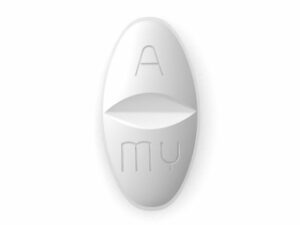
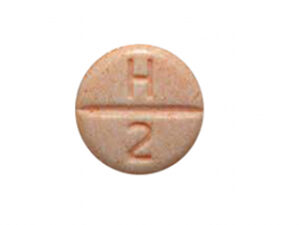
Note: Strengths and tablet appearance can vary. Always check the pack label for the correct strength and directions.
How Hygroton works (mechanism of action)
Chlorthalidone helps the kidneys excrete sodium (salt) and water while decreasing urine volume. It does this by blocking sodium reabsorption in the distal convoluted tubule of the kidney (a part of the nephron).
Because sodium and water are removed from the bloodstream, there is a reduction in fluid volume and, over time, a lowering of blood pressure. Chlorthalidone can also help reduce urinary calcium loss, which is why it may be used for certain calcium-related conditions.
Important: Although it “flushes” water, diuretics do not usually cure the underlying cause of high blood pressure or fluid retention—they help control symptoms and reduce long-term cardiovascular risk.
Pharmacokinetics (how your body handles it)
Pharmacokinetics describes absorption, distribution, metabolism, and excretion.
- Absorption: Chlorthalidone is absorbed after oral dosing.
- Onset and duration: Its diuretic and blood pressure effects can begin within hours, and the medicine has a relatively long duration of action, which is why it is commonly taken once daily.
- Distribution: It distributes into body tissues and circulates in the bloodstream.
- Metabolism: Chlorthalidone is not extensively metabolised; it is primarily handled through renal excretion.
- Excretion: The kidneys eliminate much of the drug and its effects are related to kidney function.
Why this matters: Because it lasts longer, taking it at the wrong time of day can cause frequent urination overnight.
Typical uses in Australia
Hygroton is commonly used for:
- Hypertension (high blood pressure): helps lower blood pressure and reduce cardiovascular risk.
- Oedema (fluid retention): including fluid build-up due to certain heart, kidney, or liver conditions (as directed by a clinician).
- Prevention or treatment of certain calcium-related problems: may be used in people with specific urinary calcium issues, as part of a broader management plan.
Your prescriber may choose Hygroton alone or with other blood pressure or fluid medicines depending on your health profile and lab results.
When to take it (timing and daily routine)
Most people take chlorthalidone , often in the morning.
- Take in the morning: This reduces the chance of needing to urinate during the night.
- Try to take it at the same time each day: Consistent timing improves predictability of effects.
- If you’re unsure: Check the label or ask a pharmacist for personalised instructions.
Missed dose: If you miss a dose, take it as soon as you remember on the same day. If it is close to your next dose, skip the missed dose. Do not take double the dose to make up for the missed one. If you’re unsure, consult a pharmacist.
Indications (what conditions it may be used for)
Depending on your assessment and local prescribing guidance, Hygroton may be used for:
- Essential hypertension: long-term high blood pressure.
- Fluid retention: oedema associated with certain medical conditions.
- Calcium management: conditions where reducing urinary calcium loss is beneficial (based on clinical assessment and tests).
Always follow your healthcare team’s plan. Diuretics may be part of a multi-step approach including lifestyle measures and monitoring blood tests.
Dosing (general guidance)
Dosing varies based on the condition being treated, your age, kidney function, blood electrolyte levels, and whether you take other medicines.
- Typical starting doses: may be low and adjusted gradually.
- Maintenance: the lowest effective dose is often used.
- Kidney function matters: dose adjustments are often needed if kidney function is reduced.
Do not change your dose without medical advice. If you experience side effects such as dizziness, excessive thirst, muscle cramps, or weakness, contact a healthcare professional promptly.
Practical note: Your pharmacist can help you understand how your tablet strength translates into your daily dose.
Food interactions and lifestyle considerations
Hygroton can be affected by salt and potassium intake.
Salt (sodium) intake
- Since chlorthalidone helps the body remove sodium, high-salt diets may reduce its blood pressure effectiveness.
- A clinician may recommend a lower-salt or heart-healthy diet.
Potassium and electrolyte balance
- Chlorthalidone can cause low potassium (hypokalaemia) in some people.
- Do not start potassium supplements or potassium-containing salt substitutes without checking with your pharmacist or clinician—especially if you also take medicines that raise potassium (e.g., certain blood pressure tablets).
Food timing
Chlorthalidone can generally be taken with or without food, but taking it consistently (for example, with breakfast) can help you remember and may reduce stomach discomfort.
Alcohol and medicine interactions
Alcohol
- Alcohol may increase dizziness, especially when you first start taking chlorthalidone or when your dose is increased.
- Alcohol can also worsen dehydration in some people, which may increase the risk of side effects such as headache, light-headedness, or low blood pressure.
Medicines that may interact
Interactions depend on your personal medication list. Common interaction themes include effects on blood pressure, kidney function, and electrolyte balance.
- Other blood pressure medicines (e.g., ACE inhibitors, ARBs, beta blockers, calcium channel blockers): may increase blood pressure-lowering effect and affect kidney function—dose monitoring may be required.
- NSAIDs (e.g., ibuprofen, naproxen, diclofenac): can reduce the diuretic/blood pressure effect and may affect kidney function, particularly in people who are dehydrated or elderly.
- Lithium: diuretics can raise lithium levels, increasing the risk of toxicity. This combination requires careful monitoring.
- Digoxin: low potassium increases the risk of digoxin-related heart rhythm problems.
- Corticosteroids (e.g., prednisone), amphotericin, and some laxatives: may further lower potassium.
- Medicines affecting potassium: your overall potassium balance depends on whether you’re also taking medicines that lower or raise potassium.
- Diabetes medicines: chlorthalidone may alter blood glucose levels in some people. Monitor as advised.
- Gout medicines (and conditions): chlorthalidone can increase uric acid levels, potentially triggering gout in susceptible individuals.
Tip: Keep an up-to-date list of all medicines, including over-the-counter products and supplements, and show it to your pharmacist when you start or change chlorthalidone.
Safety profile and possible side effects
Like all medicines, Hygroton can cause side effects. Not everyone will experience them. Many side effects relate to changes in fluid balance and electrolytes.
Common or notable side effects
- Increased urination (especially soon after starting)
- Dizziness or light-headedness (often due to lowered blood pressure)
- Headache
- Muscle cramps or weakness
- Low potassium (may present as muscle cramps, palpitations, fatigue)
- Low sodium (may cause confusion, headache, extreme fatigue)
- Dehydration (thirst, dry mouth, reduced urine, weakness)
- Uric acid increase (may trigger gout flare-ups)
Serious side effects — seek urgent medical advice
- Severe dizziness, fainting, or signs of severe dehydration
- Very fast/irregular heartbeat, severe weakness, or confusion
- Signs of an allergic reaction (swelling of face/lips, difficulty breathing, rash)
- Severe muscle pain/cramps with significant weakness
Monitoring (often recommended)
Because chlorthalidone can affect electrolytes and kidney function, healthcare professionals commonly monitor:
- Blood electrolytes (potassium, sodium, chloride)
- Kidney function (creatinine/eGFR)
- Uric acid and sometimes blood glucose and other metabolic markers
When to be extra careful: If you are elderly, have kidney disease, take multiple medicines, or have a history of electrolyte problems, monitoring is particularly important.
Practical use tips (make treatment easier and safer)
- Take it in the morning: Helps reduce nighttime urination.
- Stay hydrated appropriately: Avoid excessive dehydration, especially in hot weather or during illness. Follow your clinician’s advice if you have fluid restrictions.
- Be consistent with salt intake: A sudden change in diet can affect blood pressure and electrolytes.
- Watch for symptoms of low electrolytes: cramps, unusual tiredness, palpitations, or confusion—report them promptly.
- Check before using salt substitutes: Many contain potassium and can be unsafe if potassium is already elevated or if you use potassium-affecting medicines.
- Manage dizziness safely: Stand up slowly, and be cautious when driving or operating machinery until you know how you respond.
- Keep up with blood tests: They help ensure the dose remains appropriate and safe.
Missed dose and stopping treatment
- Missed dose: Take when remembered on the same day; skip if close to the next dose. Don’t double up.
- Stopping: Do not stop chlorthalidone suddenly without advice—blood pressure and fluid balance may worsen.
Alternative options (other medicines or approaches)
Alternatives depend on why you are taking Hygroton (blood pressure, oedema, calcium-related issues) and your overall health. Options may include:
- Other diuretics: such as thiazide diuretics, loop diuretics, or potassium-sparing diuretics (choice depends on kidney function and goals).
- Blood pressure medicines: ACE inhibitors, ARBs, calcium channel blockers, beta blockers, and others—often combined to achieve target blood pressure.
- Non-medicine approaches: reducing salt intake, maintaining a healthy weight, regular physical activity, limiting alcohol, and managing sleep and stress.
Your pharmacist can discuss common options and help you understand which may be appropriate for your situation (based on your diagnosis and other medicines).
Market and legal context for Australia
In Australia, medicines are regulated under the TGA (Therapeutic Goods Administration). Products containing chlorthalidone may be available through regulated supply channels. Availability can vary by brand and formulation at any given time.
For online pharmacy purchases:
- Orders must comply with Australian requirements for medicine supply.
- Depending on the specific product and classification, supply may require appropriate patient information and may be limited to eligible dispensing pathways.
- Pharmacy professionals may recommend checks for suitability, including review of current medicines and relevant health factors.
Recent guidance: Ongoing updates to hypertension and diuretic monitoring practices may occur through clinical guidelines and health authority publications. Your pharmacist can help confirm the latest local recommendations relevant to safe use and monitoring.
Delivery and availability
Availability of Hygroton (chlorthalidone) can vary based on stock levels and supplier schedules. For online ordering in Australia:
- Check product details: Confirm tablet strength and pack size on the listing.
- Dispatch times: Delivery estimates may depend on your location and whether the product is in stock.
- Packaging: Medicines are typically dispatched in original packaging with appropriate labelling.
Storage: Store tablets according to the pack instructions (typically at room temperature, protected from moisture). Keep out of reach of children.
FAQ — Frequently asked questions
1) What is Hygroton used for?
Hygroton (chlorthalidone) is used to treat high blood pressure and fluid retention (oedema) in certain conditions. It may also be used for specific calcium-related issues based on clinical assessment.
2) How quickly will it work?
Some effects (especially urination) can begin within hours. Blood pressure benefits may build over days to weeks. The medicine has a relatively long action, which supports once-daily dosing.
3) Should I take it with food?
Chlorthalidone can usually be taken with or without food. Many people prefer taking it with breakfast to help with routine and to reduce stomach discomfort.
4) Why do I feel dizzy when I start Hygroton?
Dizziness can happen when blood pressure drops or due to dehydration. Be careful when standing up quickly. If dizziness is severe, persistent, or you faint, seek urgent medical advice.
5) Can Hygroton affect potassium?
Yes. Chlorthalidone can cause low potassium. Symptoms may include muscle cramps, weakness, or palpitations. Blood tests help monitor electrolyte levels.
6) Will it cause me to pee more?
Yes, especially after the dose, particularly early in treatment. Taking it in the morning helps reduce nighttime disruption.
7) Does it interact with ibuprofen or other painkillers?
NSAIDs (like ibuprofen) may reduce the effect of diuretics and can affect kidney function, particularly if you are dehydrated or elderly. Ask a pharmacist for safer pain relief options if you need frequent doses.
8) Can I drink alcohol while taking Hygroton?
Alcohol may increase dizziness and contribute to dehydration. Keep alcohol moderate, and avoid heavy drinking. If you notice increased light-headedness, reduce or avoid alcohol and speak with your pharmacist.
9) What if I miss a dose?
Take it when you remember on the same day. If it’s close to the next dose, skip the missed dose. Do not take a double dose.
10) Are there lifestyle changes that help?
Yes. Many people benefit from reducing salt intake, maintaining hydration appropriately (according to your clinician’s advice), eating a balanced diet, and monitoring blood pressure at home if recommended.
Important reminders
- Attend scheduled blood test monitoring to check kidney function and electrolytes.
- Report symptoms like severe dizziness, irregular heartbeat, confusion, or signs of dehydration promptly.
- Tell your pharmacist about all medicines and supplements, including over-the-counter products.
If you would like, tell me your age, why you take Hygroton, and any other medicines you’re on (including pain relievers and supplements), and I can provide a tailored checklist of common interaction and monitoring considerations to discuss with your pharmacist.