Tenormin (Atenolol) — Patient Guide (Australia)
Tenormin contains atenolol, a medicine from the beta‑blocker family. It is used to treat a range of heart-related conditions and, in some cases, help reduce the risk of future heart problems after certain cardiovascular events.
This guide explains how Tenormin works, how it is used, what to expect, and key safety information. It’s written to be easy to follow and practical for everyday use.
1) Basic Product Information
| Feature | What you should know |
|---|---|
| Medicine name | Tenormin (atenolol) |
| Medicine type | Beta‑1 selective beta‑blocker (cardioselective) |
| Common reasons for use | High blood pressure, angina, some rhythm and heart protection indications |
| Typical dosing schedule | Often once daily (depending on your condition and dose) |
| Common side effects | Fatigue, dizziness, slow heart rate, cold hands/feet, sleep changes |
| Important safety notes | Do not stop suddenly; caution with asthma/COPD and certain interacting medicines |
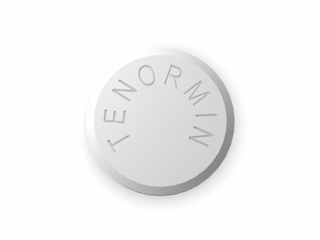
Strengths and brand packaging may vary by supplier. If you have your medication label available, match the tablet strength to your prescribed dose.
2) How Tenormin Works (Mechanism of Action)
Tenormin (atenolol) blocks beta‑1 adrenergic receptors in the heart. By reducing the effects of stress hormones such as adrenaline on the heart, it helps to:
- Lower heart rate (slower pulse)
- Decrease force of heart contraction, reducing the heart’s workload
- Reduce conduction through the heart’s electrical system, which can stabilise certain rhythm issues
- Help lower blood pressure by lowering cardiac output and reducing stimulation of the heart
Why this matters: By easing strain on the heart and reducing how hard it must work, Tenormin can relieve symptoms (such as angina pain) and improve long-term cardiovascular outcomes in suitable patients.
3) Pharmacokinetics (How the Body Handles Atenolol)
Pharmacokinetics describes absorption, distribution, metabolism and elimination. Understanding these can help explain why dosing schedules are often simple.
- Absorption: Atenolol is absorbed after oral dosing, though food can affect the rate of absorption for some individuals.
- Bioavailability: Atenolol has partial absorption and does not undergo extensive liver metabolism.
- Distribution: It distributes into body tissues; the medication mainly acts on the heart.
- Metabolism: Atenolol is not extensively metabolised in the liver.
- Elimination: Atenolol is primarily eliminated through the kidneys. This is important if you have reduced kidney function.
- Half-life: The elimination half-life is relatively long compared with many other beta‑blockers, which is one reason once-daily dosing is common.
Practical takeaway: Because kidney function can influence levels of atenolol, your prescriber may choose a dose that matches your health profile.
4) Typical Uses and Indications
Tenormin is used in adults for several cardiovascular indications. Whether it is suitable for you depends on your medical history, current medicines, and vital signs.
Common indications
- High blood pressure (hypertension): To help lower blood pressure and reduce cardiovascular risk.
- Angina pectoris: To help reduce frequency and severity of chest pain by lowering cardiac workload and heart demand for oxygen.
- Some rhythm-related conditions: In selected cases, beta‑blockers may be used to slow the heart rate or stabilise symptoms.
- Heart protection in certain scenarios: Atenolol may be used as part of long-term management following certain cardiovascular events, depending on individual guidance.
Note: Indications can vary depending on local clinical guidelines and individual assessment. Your dosing plan is tailored to your condition.
5) How to Take Tenormin: Timing and Dosing
General timing
Many people take Tenormin once daily. The best time is usually the same time each day to maintain consistent blood levels.
- If you feel drowsy or fatigued, consider taking it in the evening (unless your prescriber advised otherwise).
- If it affects your sleep, talk to your clinician about timing changes.
- Try not to “double up” if you miss a dose—follow the directions you were given and use the FAQ below for general advice.
Typical dosing (adult overview)
Doses vary depending on the indication and your health (particularly kidney function, heart rate, and blood pressure). Your label will state your exact dose.
| Condition (examples) | Typical starting approach | What to expect |
|---|---|---|
| Hypertension | Often started at a lower dose and adjusted based on response | Blood pressure may improve within days, with full effect over weeks |
| Angina | May start low and increase gradually to control heart rate and symptoms | Symptom relief often occurs as heart rate and workload decrease |
| Other selected cardiovascular conditions | Dose individualised based on heart rate, ECG and overall health | Regular monitoring may be recommended |
Important: Beta‑blockers should often be introduced and adjusted gradually. If your heart rate becomes too slow or blood pressure drops too much, the dose may need review.
Do not stop suddenly
Abrupt withdrawal of beta‑blockers can lead to worsening angina, blood pressure instability, and, in some cases, a risk of other cardiac events. If you need to stop or switch, your clinician will usually recommend a tapering schedule.
6) Food Interactions and What to Expect
Food can affect the rate of absorption of some medicines. With atenolol, food may change how quickly it reaches peak levels, though many people still experience overall benefit from consistent daily dosing.
- You can usually take Tenormin with or without food, but aim for consistency.
- If you notice stomach upset or light-headedness soon after taking it, try taking it with a meal.
- If you change from “always with food” to “always on an empty stomach” (or vice versa), monitor how you feel and discuss with your pharmacist if needed.
7) Alcohol and Medicine Interactions
Alcohol
Alcohol may worsen side effects such as dizziness and light-headedness, especially when your blood pressure is already lower or when you first start Tenormin or after a dose increase.
- Consider limiting alcohol, particularly at the start of therapy.
- Avoid sudden postural changes (standing quickly) if alcohol makes you feel unsteady.
Common medicine interactions
Atenolol can interact with other medicines that affect heart rate, blood pressure, or heart rhythm. Always provide your full list of medicines and supplements to your healthcare professional.
- Other blood pressure-lowering medicines (e.g., antihypertensives): may increase the risk of low blood pressure or dizziness.
- Other beta‑blockers or heart-rate-lowering drugs: may cause an excessively slow heart rate.
- Non‑dihydropyridine calcium channel blockers (e.g., verapamil, diltiazem): can significantly slow heart rate and affect heart conduction when combined.
- Antiarrhythmic medicines: may increase risk of rhythm problems if not carefully managed.
- Clonidine (if used): combination requires careful planning; stopping clonidine and beta‑blockers at the wrong time can cause rebound effects.
- Diabetes medicines (insulin or tablets): beta‑blockers can mask some warning signs of low blood sugar (such as fast heartbeat). They may also affect blood sugar control in some people.
- Medicines that affect kidney function (for example, certain diuretics or NSAIDs used regularly): may alter how well atenolol is cleared; monitoring may be needed.
- Some asthma/COPD medicines: because atenolol is beta‑1 selective, it is less likely to worsen breathing than non‑selective beta‑blockers, but it can still be a concern at higher doses or in sensitive individuals.
Tip: If you start a new medicine (including “over-the-counter” products or supplements), ask your pharmacist whether it’s safe to use with Tenormin.
8) Safety Profile: Side Effects and Who Needs Extra Caution
Common side effects
Many side effects are mild and may improve as your body adjusts, usually after the first days to weeks.
- Fatigue or reduced energy
- Dizziness, especially when standing up quickly
- Slow heart rate (bradycardia)
- Cold hands and feet
- Sleep disturbance or unusual dreams
- Stomach upset (less commonly)
Less common but important reactions
- Worsening shortness of breath in people with asthma/COPD
- Low blood pressure leading to faintness
- Changes in mood in some people
- Sexual dysfunction (reported by some patients on beta‑blockers)
Seek urgent medical help if
- You experience fainting, severe dizziness, or collapse
- You develop chest pain that is new or worsening
- You have significant breathing difficulties
- You show signs of a severe allergic reaction (e.g., swelling of face/lips, severe rash, trouble breathing)
Who should use extra caution
- People with asthma or certain lung diseases (particularly if symptoms worsen)
- People with slow baseline heart rate or certain conduction problems
- People with diabetes (warning signs of low blood sugar may be altered)
- People with kidney impairment (dosing may need adjustment)
- People with certain circulation problems (already cold hands/feet may worsen)
9) Practical Use Tips (Getting the Best Results)
- Monitor blood pressure and pulse: If advised by your clinician, check your blood pressure and heart rate regularly, especially during dose changes.
- Stand up slowly: This can reduce dizziness, particularly after the first doses or a dose increase.
- Keep an eye on angina symptoms: If your chest pain becomes more frequent, do not adjust your dose yourself—contact your healthcare professional.
- Stay consistent with timing: Take your tablet at the same time each day.
- Don’t skip to “catch up”: Follow the missed-dose guidance in the FAQ. Avoid double dosing.
- Wear medical identification if appropriate: Especially if you have heart rhythm issues or a history of fainting.
- Be cautious with exercise: When starting, note how your heart rate responds. Gradually return to activity as tolerated.
10) Alternative Options (If Tenormin Is Not Suitable)
Alternative treatments depend on why you are taking atenolol. Beta‑blockers and other cardiovascular medicines may be considered if Tenormin doesn’t suit your needs.
Common alternatives may include
- Other beta‑blockers: such as metoprolol, bisoprolol, or others, chosen based on your symptoms, heart rate, and risk factors.
- Calcium channel blockers: for blood pressure and angina in some patients.
- ACE inhibitors or ARBs: commonly used for hypertension and cardiovascular protection in appropriate groups.
- Diuretics: used in selected patients for blood pressure control.
- Antianginal therapies: additional medicines may be used if symptoms persist.
Switching medicines should be done with guidance because doses and monitoring requirements vary. Your healthcare professional can help choose what’s best for your heart rate, blood pressure, kidney function, and other medications.
11) Tenormin in Australia: Market and Legal/Regulatory Context
In Australia, medicines are supplied under a structured regulatory and quality framework administered through national agencies. Availability, brand presentation and dispensing practices follow Australian rules for safe supply.
Tenormin (atenolol) has long been used and is widely recognised. Supply may be affected by changes in manufacturer distribution, pack sizes, and pharmacy stock levels.
For the most up-to-date information on availability and brand variations, consult your local pharmacy or the pharmacy website listing for your chosen strength.
Recent guidance (general awareness)
Clinical practice evolves as new research appears. For beta‑blocker use in cardiovascular care, Australian and international guidance typically emphasises:
- Individualised choice: based on patient characteristics, comorbidities, and risk.
- Careful dose titration: to avoid excessive slowing of the heart rate or low blood pressure.
- Monitoring: including vital signs and symptom assessment.
- Adherence to safer stopping practices: avoiding abrupt discontinuation unless directed by a clinician.
If your treatment plan was updated recently, your clinician may have adjusted dose goals or monitoring frequency.
12) Delivery and Availability (Online Pharmacy Australia)
Availability varies by strength and current supplier stock. When ordering online, you’ll typically see:
- In‑stock status for your selected strength and quantity
- Estimated delivery timeframes based on your location
- Packaging details (e.g., tablet strength per pack)
- Delivery options such as standard or express shipping (where available)
To avoid delays, ensure your delivery address and contact details are correct. Many pharmacies also provide tracking information once your parcel is dispatched.
13) Frequently Asked Questions (FAQ)
Q1: How long does it take for Tenormin to work?
Some effects—like changes in heart rate—may be noticed within days. For blood pressure and angina control, the full benefit may take several weeks as doses are adjusted and your body adapts.
Q2: What if I miss a dose?
If you miss a dose, take it when you remember unless it is close to the time of your next dose. In general, don’t take a double dose to make up for the missed tablet. If you’re unsure, ask your pharmacist for the most appropriate advice for your dosing schedule.
Q3: Can I take Tenormin with food?
Yes, it’s usually possible to take Tenormin with or without food. Choose a routine you can maintain daily. If food reduces stomach discomfort for you, taking it with meals may be more comfortable.
Q4: Will Tenormin slow my heart too much?
Some slowing of heart rate is expected. However, if your pulse becomes very slow, you feel faint, or you develop unusual weakness, contact your healthcare professional promptly. Dose adjustments may be needed.
Q5: Is Tenormin safe for people with asthma?
Atenolol is beta‑1 selective, which may be safer for some people than non‑selective beta‑blockers. Still, it can potentially worsen breathing symptoms, especially at higher doses or in sensitive individuals. If you have asthma or COPD, discuss risks and monitoring with your clinician.
Q6: Can I drink alcohol while taking Tenormin?
Moderate alcohol may be tolerated by many people, but it can increase dizziness or faintness risk. Avoid heavy drinking and be cautious when first starting treatment or after a dose increase.
Q7: What happens if I stop Tenormin suddenly?
Stopping abruptly can lead to rebound effects such as worsening angina or blood pressure instability. If you need to stop, ask your clinician about a gradual taper plan.
Q8: Can Tenormin affect diabetes?
Beta‑blockers can sometimes mask early warning signs of low blood sugar (like a fast heartbeat). People with diabetes should monitor blood glucose carefully and discuss diabetes management with their healthcare team.
Q9: Does Tenormin interact with common pain medicines?
Some pain medicines—especially if used regularly—can affect kidney function or fluid balance and may influence how well blood pressure medicines work. Non‑steroidal anti‑inflammatory drugs (NSAIDs) are an example class to discuss with your pharmacist if you use them often.
Q10: What are the most important things to watch for?
Pay attention to symptoms of low blood pressure (dizziness, faintness), very slow heart rate (unusual weakness, fainting), and breathing difficulty. Seek urgent care if symptoms are severe or sudden.
14) Summary
Tenormin (atenolol) helps manage cardiovascular conditions by blocking beta‑1 receptors, which reduces heart rate and workload. It’s commonly used for high blood pressure and angina, and its benefits are achieved with consistent daily use.
- Take it at the same time each day.
- Expect possible initial fatigue or dizziness.
- Do not stop suddenly; discuss any changes with your healthcare professional.
- Be mindful of alcohol and drug interactions, especially medicines that affect heart rate or blood pressure.
If you have questions about your specific situation, ask your pharmacist or clinician for personalised advice based on your medical history and other medicines.