Frumil (Amiloride) – Patient Information for Australia
Frumil contains amiloride, a medicine used to help control fluid balance in the body. It is commonly prescribed to help treat swelling (fluid retention) caused by certain conditions, and it is also used to reduce the risk of low potassium levels when taking other “water tablets” (diuretics).
This guide is designed to be clear and patient-friendly. It explains how Frumil works, when it is used, how it’s taken, important interactions, and practical tips to help you use your medicine safely.
Quick Facts
- Active ingredient: Amiloride
- Medicine type: Potassium-sparing diuretic (water tablet)
- Main uses: Fluid retention (oedema) and protection against low potassium (hypokalaemia)
- Common dosing approach: Once daily or divided doses (depending on your plan)
- Key caution: Can raise potassium levels—important for kidney disease or certain drug combinations
Basic Product Information
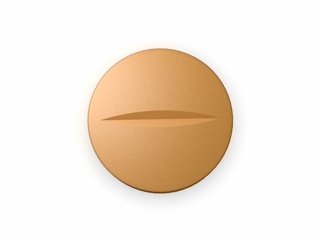
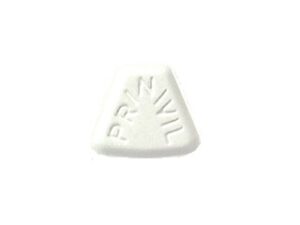
Frumil is an oral medicine (tablets are commonly used). Brand availability and strength may vary by supplier and market supply. Your pharmacist can confirm the strength of the tablets you have.
In Australia, medicines are regulated by the Therapeutic Goods Administration (TGA). If you are purchasing or using Frumil through legitimate channels, ensure the packaging is Australian compliant and includes local product information.
How Frumil Works (Mechanism of Action)
Frumil (amiloride) is classified as a potassium-sparing diuretic.
To understand this simply: your kidneys filter blood and then reabsorb important salts. Amiloride works mainly in the kidney tubules to:
- Reduce sodium reabsorption (so more salt and water are excreted in urine)
- Block potassium loss by reducing potassium secretion
- Help prevent low potassium that can happen with other diuretic medicines
Important: Because it is “potassium-sparing,” Frumil can sometimes cause the opposite problem—high potassium (hyperkalaemia)—especially in people with reduced kidney function or when combined with other medicines that raise potassium.
Pharmacokinetics (How the Body Handles Amiloride)
Although individual responses vary, the typical pattern in adults is:
- Absorption: Amiloride is absorbed after oral administration.
- Onset of action: A diuretic effect may begin within hours.
- Duration: Effects last long enough that many people can take it once daily, depending on their dose and condition.
- Elimination: Amiloride is primarily eliminated through the kidneys.
- Half-life (general concept): The drug’s effects persist for a significant period, which is one reason daily dosing may be used.
Why this matters: If kidney function is reduced, amiloride can stay in the body longer, increasing the risk of high potassium. Your clinician may order blood tests to monitor electrolytes.
Typical Uses in Australia
Frumil is used for:
- Oedema (fluid retention) associated with conditions such as certain heart, liver, or kidney-related fluid problems
- Prevention and treatment of low potassium when diuretics are used and potassium loss is expected
- Diuretic combinations in some treatment plans where potassium-sparing support is needed
It may be used alone or alongside other medicines, depending on your overall medical condition and blood test results.
Indications (When It’s Used)
In practice, Frumil is indicated for:
- Oedema where a diuretic effect is needed but potassium sparing is desirable
- Hypokalaemia risk or history of low potassium related to diuretic therapy
Note: The exact indication and dose will depend on your diagnosis, kidney function, blood potassium levels, and the medicines you are taking.
How to Take Frumil: Timing and Practical Use
Typical timing
- For many people, Frumil can be taken once daily.
- Some treatment plans may use divided doses (e.g., morning and evening).
- Try to take it at the same time each day to keep levels consistent.
With or without food
Frumil can generally be taken with or without food. If your tablet upsets your stomach, taking it with food may improve comfort.
Missed dose
- If you miss a dose, take it when you remember unless it is close to your next dose.
- If it’s almost time for the next dose, skip the missed dose and continue as usual.
- Do not double to make up for the missed dose.
Practical tips
- Keep a note of your daily dose and any blood test dates.
- Stay hydrated as directed—do not excessively restrict fluids without medical advice.
- Be mindful of symptoms of potassium changes (see Safety section).
Food Interactions (Including Salt Substitutes)
Food interactions with amiloride mostly relate to potassium intake.
- High-potassium foods: In most diets, high-potassium foods are fine. However, if you have kidney disease or high potassium risk, your clinician may advise moderation.
- Salt substitutes: Many salt substitutes contain potassium chloride. Using these while taking Frumil may increase the risk of high potassium. Discuss salt substitutes with your pharmacist or doctor.
- Supplements: Be cautious with potassium supplements unless specifically advised.
Alcohol and diet: Alcohol can affect hydration and blood pressure. Heavy alcohol use may worsen dizziness or dehydration risk, and can complicate electrolyte balance. See Alcohol section for more.
Medicine Interactions (Alcohol and Other Medicines)
Alcohol
Alcohol may increase the chance of side effects such as dizziness, light-headedness, or low blood pressure, particularly if you are also on blood pressure medicines or diuretics.
- Avoid or limit alcohol, especially when starting or adjusting your dose.
- Rise slowly from sitting or lying positions to reduce dizziness.
Common medicine interactions
Frumil can interact with other medicines—most importantly those that influence potassium or kidney function.
- Other medicines that raise potassium (higher risk of hyperkalaemia):
- ACE inhibitors (e.g., enalapril, lisinopril)
- Angiotensin II receptor blockers/ARBs (e.g., losartan, telmisartan)
- Direct renin inhibitors (where applicable)
- Some anti-inflammatory medicines (e.g., NSAIDs such as ibuprofen, naproxen—especially with dehydration or kidney risk)
- Potassium supplements
- Other diuretics:
- Amiloride is often used to counter potassium loss from “loop” or “thiazide” diuretics, but total fluid/electrolyte effects still need monitoring.
- Kidney function-affecting medicines:
- Some drugs can change kidney blood flow or affect elimination, which can increase risk of side effects.
- Lithium:
- Amiloride may alter lithium levels. If you take lithium, it requires close monitoring.
- Other blood pressure medicines:
- Combined blood pressure effects may contribute to dizziness or falls in some people.
Always tell your pharmacist or clinician about:
- All medicines you take (including over-the-counter products)
- Herbal products and supplements
- Any history of kidney disease, heart rhythm problems, or high potassium
Dosing: What’s Typical?
Dosing depends on the condition being treated, your kidney function, and your blood potassium levels. Your clinician will set the dose appropriate for you.
Below are general dosing principles (not a substitute for your personal plan):
- Start and adjustment: Some people start at a lower dose, then adjust based on response and blood tests.
- Once daily vs divided doses: Many dosing regimens use once daily, but some require splitting to improve tolerability or effect.
- Monitoring: Serum potassium and kidney function (creatinine/eGFR) are commonly monitored.
Do not change your dose or stop Frumil suddenly without advice, especially if you are being treated for fluid retention or using it to balance potassium.
Safety Profile: Side Effects and Warnings
Like all medicines, Frumil can cause side effects. Not everyone experiences them, and many are mild. However, because amiloride affects kidney electrolyte handling, certain effects require attention.
Common side effects
- Dizziness or light-headedness (particularly when starting)
- Headache
- Nausea or stomach discomfort
- Increased urination (diuretic effect)
Serious side effects – seek medical attention promptly
Contact a health professional urgently if you develop signs of high potassium, which can affect heart rhythm:
- Muscle weakness or heaviness
- Tingling or numbness
- Unusual palpitations, slow pulse, or symptoms of abnormal heart rhythm
- Severe fatigue
Also seek urgent advice if you experience:
- Severe persistent vomiting or diarrhoea (can worsen electrolyte imbalance)
- Signs of dehydration (e.g., fainting, very dry mouth, marked dizziness)
- Symptoms of worsening kidney function as advised by your clinician
Who needs extra caution?
- People with reduced kidney function
- People with known high potassium
- Older adults (higher likelihood of reduced kidney function and medication sensitivity)
- People taking combinations that can raise potassium (see interactions section)
When to avoid self-treatment
If you feel unwell with vomiting/diarrhoea, have an acute illness, or are unable to eat and drink normally, it’s important to ask for advice before taking your next dose—dehydration can increase risk of electrolyte problems.
Monitoring: Blood Tests and What They Mean
Your clinician may arrange blood tests to check:
- Potassium (K+) – ensuring it is not too low or too high
- Kidney function (creatinine and eGFR)
- Other electrolytes depending on your condition
Why it matters: These tests help prevent complications and allow dose adjustments when needed.
Practical Use Tips (Everyday Guidance)
- Keep hydrated appropriately: Too little fluid can increase dizziness and kidney stress; too much may worsen fluid retention depending on your condition.
- Know your “potassium triggers”: Avoid potassium supplements and salt substitutes unless clearly approved by your clinician.
- Be consistent with timing: Regular dosing helps maintain stable effects.
- Track symptoms: If you notice muscle weakness, palpitations, or marked dizziness, contact your healthcare provider.
- Plan for “sick days”: If you develop vomiting/diarrhoea or are unable to drink normally, seek advice because medication needs may change temporarily.
- Medication list: Keep an up-to-date list of all medicines and show it to any healthcare professional you see.
Alternative Options
Depending on your condition and blood test results, alternative approaches may include:
- Different diuretics (thiazide or loop diuretics) with or without potassium management strategies
- Combination therapies where potassium-sparing effects are considered appropriate
- Non-diuretic management for underlying causes of fluid retention (e.g., adjusting heart failure or liver-related therapies)
Important: Alternatives are not interchangeable without clinician guidance. Diuretics differ in how they affect electrolytes, kidney function, blood pressure, and urine output.
Comparison Snapshot (At-a-Glance)
| Feature | Frumil (Amiloride) |
|---|---|
| Class | Potassium-sparing diuretic |
| Main effect | Increases urine output while reducing potassium loss |
| Key risk | High potassium (especially with kidney impairment or interacting medicines) |
| Monitoring | Potassium and kidney function often checked |
| Food interaction | Be cautious with potassium-containing salt substitutes and potassium supplements |
Market and Legal Context in Australia
In Australia, medicines are regulated under the Therapeutic Goods Act and overseen by the Therapeutic Goods Administration (TGA). Medicines are supplied through authorised channels and must meet local requirements for quality, safety, and labelling.
Availability can vary due to supply chain factors. When purchasing from an online pharmacy, ensure:
- The website is Australian and clearly identifies licensing and pharmacy credentials
- Products are sourced through legitimate suppliers
- Packaging includes Australian labelling and information
Guidance updates: Ongoing clinical updates may affect monitoring and prescribing practices. Always rely on current local advice from your healthcare professional and the most up-to-date product information.
Recent Guidance and Clinical Advice (General)
While specific recommendations can differ by patient and condition, general best-practice principles commonly used in Australia include:
- Electrolyte monitoring for people at higher risk of potassium disturbances
- Reviewing medicine combinations that affect kidney function or potassium levels
- Patient education on symptoms of high potassium and dizziness/low blood pressure
- Special care during acute illness (e.g., dehydration from vomiting/diarrhoea)
If you are unsure whether your current medicines may interact with Frumil, ask your pharmacist for a comprehensive interaction check.
Delivery and Availability (Online Pharmacy in Australia)
Availability of Frumil can depend on tablet strength and current supply. Many online pharmacies offer:
- Home delivery within Australia
- Discreet packaging
- Delivery timeframes that vary by location and stock status
When ordering, check:
- That the product strength matches what you need
- The expiry date information provided
- Shipping estimates shown at checkout
If a product is temporarily out of stock, reputable pharmacies will often offer an alternative option or provide restock updates.
FAQ – Frequently Asked Questions
1) Is Frumil a “water tablet”?
Yes. Frumil is a diuretic medicine that helps your kidneys remove extra fluid. Unlike many other diuretics, it is designed to spare potassium, meaning it can reduce potassium loss.
2) How long does it take to start working?
Many people notice increased urine output within hours after taking it. The exact timing varies based on dose, kidney function, and your overall health.
3) Can I take Frumil with food?
It can generally be taken with or without food. If it upsets your stomach, taking it with food may help.
4) Will Frumil make me urinate more?
Diuretic effects may increase urination. If you find it interferes with sleep, consider taking it earlier in the day (ask your pharmacist if you’re unsure about timing changes).
5) Can I use salt substitutes?
Be cautious. Many salt substitutes contain potassium chloride. Since Frumil can raise potassium levels, salt substitutes should only be used if your clinician has said it is safe for you.
6) What foods should I avoid?
You don’t necessarily need to avoid normal foods, but you may need to limit extra potassium if you have kidney impairment or high potassium risk. Avoid potassium supplements unless directed.
7) What medicines commonly interact with Frumil?
Medicines that can raise potassium or affect kidneys are the most important. This includes certain blood pressure medicines (such as ACE inhibitors/ARBs), NSAIDs (for example ibuprofen/naproxen), and potassium supplements. Always check with a pharmacist.
8) Can I drink alcohol while taking Frumil?
Alcohol may increase dizziness or low blood pressure risk, especially when you’re starting or if you’re dehydrated. It’s best to limit alcohol and seek advice if you feel unwell.
9) What symptoms suggest my potassium is too high?
Potential symptoms include muscle weakness, palpitations, unusual fatigue, or tingling. If these occur, seek urgent medical advice.
10) What if I have kidney disease?
Extra caution is needed because amiloride is cleared by the kidneys. Your clinician may adjust the dose and monitor blood potassium and kidney function more closely.
11) Are there alternatives if I can’t take Frumil?
There may be other diuretics or treatment strategies depending on your diagnosis and blood test results. Your clinician or pharmacist can discuss options tailored to you.
12) How should I store Frumil tablets?
Store as directed on the carton—typically at controlled room temperature and protected from moisture. Keep out of reach of children.
When to Seek Help
Get medical advice urgently if you experience symptoms suggestive of serious electrolyte imbalance (particularly high potassium), severe dizziness/fainting, or signs of significant dehydration. If you have concerns about side effects, it’s always better to ask rather than ignore symptoms.
Always follow your healthcare professional’s instructions and refer to the product information provided with your medicine for further details.