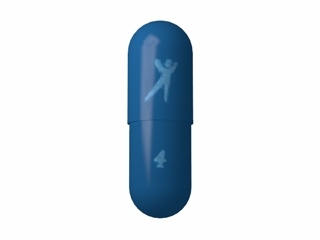


Inderal LA (Propranolol) – Patient Information (Australia)
Inderal LA contains propranolol, a medicine from the beta‑blocker family. It is designed to release slowly over the day (extended‑release), helping to maintain steadier levels of propranolol for many hours.
This guide is written to be patient‑friendly and practical. It explains what Inderal LA is used for, how it works, how it behaves in the body, how to take it, key safety considerations, and common interactions—especially in an Australian context.
Quick overview
- Medicine: Inderal LA (propranolol)
- Type: Extended‑release beta‑blocker
- Main actions: Reduces heart rate and blood pressure; helps control certain heart rhythm problems and reduces symptoms of tremor/anxiety where appropriate
- Typical dosing: Taken once daily because of extended release (dose and strength vary by indication)
- Important: Do not stop suddenly. Some conditions may worsen if propranolol is withdrawn abruptly
Basic product information
Brand name: Inderal LA
Active ingredient: Propranolol (extended‑release formulation)
How it works in the body: The “LA” formulation is designed for slow release, typically allowing once‑daily dosing.
Where it fits in treatment: Inderal LA is used for several conditions where slowing the heart rate and reducing the body’s response to certain nerve signals can be beneficial. Your clinician chooses the dose based on your diagnosis, age, other medicines, and how you respond.
How Inderal LA works (mechanism of action)
Propranolol is a non‑selective beta‑blocker. It blocks beta receptors (primarily beta‑1 and beta‑2) in the heart and other tissues.
- Heart effects (beta‑1 blockade):
- Slows the heart rate
- Reduces the force of heart contraction
- May decrease conduction through the heart’s electrical system
- Blood vessel effects:
- Helps reduce blood pressure
- May reduce certain abnormal cardiovascular responses
- Other effects relevant to symptoms:
- May reduce tremor and “adrenaline‑like” symptoms (e.g., shaking)
- May help prevent some migraine patterns in appropriate patients
Practical meaning: By reducing “fight‑or‑flight” signalling, Inderal LA can help steady heart rhythm, improve blood pressure control, and reduce physical symptoms such as palpitations and tremor.
Pharmacokinetics (how your body handles propranolol)
Understanding pharmacokinetics can help explain timing, consistency, and why dose changes must be gradual.
Absorption and extended release
- Extended‑release formulation (LA): Designed to release propranolol slowly to maintain therapeutic levels through the day.
- Bioavailability: Propranolol has variable absorption between individuals and undergoes first‑pass metabolism in the liver (meaning the amount reaching circulation can vary).
Distribution
- Propranolol distributes throughout the body and can cross into the brain, which is one reason some people may experience vivid dreams or sleep changes.
Metabolism
- Propranolol is metabolised mainly in the liver via enzymes (notably CYP450 pathways).
- This is why interactions with certain medicines can be important.
Elimination
- Metabolites are excreted mainly by the kidneys (urine).
- Kidney function may influence clearance of metabolites, though propranolol metabolism is largely hepatic.
What this means for you: Consistent daily dosing helps maintain stable drug levels. If you miss doses, try to resume according to your medication plan (see “Timing” and “Practical tips”).
Typical uses and indications (what it’s commonly prescribed for)
Inderal LA may be used for a range of cardiovascular and other conditions. Indications may vary by local prescribing practices and patient factors.
Cardiovascular indications
- High blood pressure (hypertension): Often when beta‑blocker therapy is appropriate.
- Angina (chest pain) prophylaxis: Helps reduce frequency of angina attacks in selected patients.
- Heart rhythm problems: Can help control certain tachyarrhythmias (fast heart rhythms), depending on diagnosis.
- After heart conditions (where beta‑blocker therapy is recommended as part of standard care): Treatment decisions are individualised.
Other commonly recognised uses
- Prevention of migraine: Some patients benefit from regular beta‑blocker therapy to reduce migraine frequency.
- Tremor and symptom control: May reduce physical symptoms in conditions such as essential tremor or performance anxiety symptoms (when clinically appropriate).
- Some thyroid‑related symptoms: Beta‑blockers can relieve symptoms related to increased thyroid hormone effect (e.g., palpitations) under clinician guidance.
Important: Indications should be confirmed by your clinician based on your diagnosis. Your product strength and dosing schedule are chosen accordingly.
Dosing and timing
Because Inderal LA is extended‑release and dosing depends on the reason for use, your exact dose should follow the instructions on your dispensed medicine and your clinician’s plan.
General dosing principles
- Once daily: Inderal LA is designed for extended release, so it is commonly taken once per day.
- Start low, increase gradually: Many regimens begin at a lower dose and increase to reduce side effects and allow the heart rate to adjust.
- Do not adjust rapidly: Dose changes should be supervised.
When to take it
Most people take Inderal LA at the same time each day to maintain steady blood levels.
- Morning or evening: Choose a time that helps you remember it and fits your tolerance (some people prefer morning; others prefer evening if it causes fatigue).
- Consistency matters: Try not to vary the time day to day.
With or without food
Propranolol absorption can be influenced by food. In practice, many extended‑release propranolol regimens are taken with or without food as directed on your label. If your prescriber or pharmacist has advised you to take it with food, follow that advice.
Example timing (typical)
| Goal | Suggested routine | Notes |
|---|---|---|
| Steady daily levels | Take at the same time each morning | Helps maintain consistent heart rate and symptom control |
| Better tolerability | Take in the evening if daytime fatigue occurs | Discuss with your pharmacist if fatigue is significant |
| Adherence | Pair with a daily routine (after breakfast or after dinner) | Use a reminder if needed |
If you miss a dose
- Do not double up.
- Take the next dose at the usual time unless your pharmacist advises otherwise.
- If you often miss doses, ask your pharmacist for adherence strategies.
Do not stop suddenly: Beta‑blockers may require gradual withdrawal, especially if you take them for angina or certain heart conditions. If stopping is needed, your clinician will usually reduce the dose gradually.
Food interactions and dietary considerations
Food can affect drug absorption and, in some people, tolerability.
- Food timing: Follow directions on your label or given by your pharmacist (some patients are advised to take extended‑release beta‑blockers consistently with or without food).
- Grapefruit: Grapefruit can interact with some medicines by affecting liver enzymes. While this is not always a major concern with propranolol, it’s wise to avoid large grapefruit intake unless your pharmacist says it’s safe.
- High alcohol intake: Alcohol can change cardiovascular responses and worsen side effects (see alcohol section).
Practical advice: Keep your usual eating pattern stable when starting or changing dose, and report new side effects.
Alcohol and medicine interactions
Alcohol may increase the risk of certain beta‑blocker side effects, such as dizziness, low blood pressure, and feeling faint.
- Increased dizziness/faintness: Combining alcohol with propranolol may increase the chance of light‑headedness, particularly when standing up.
- Blood sugar awareness (if relevant): For some people, beta‑blockers can mask signs of low blood sugar (such as tremor). Alcohol can also affect blood sugar, especially if you have diabetes or drink heavily.
- Heart rhythm and energy effects: Alcohol can trigger palpitations in some individuals; beta‑blockers may reduce symptoms but won’t remove the underlying cause.
Guidance for patients: If you drink alcohol, keep it moderate and observe how you feel. Avoid binge drinking. If you have symptoms like fainting, severe dizziness, or unusually slow heart rate, seek medical advice promptly.
Interactions with other medicines (and alcohol)
Propranolol interacts with several medicine groups. This is particularly important in Australia where many people take multiple prescriptions, over‑the‑counter products, and supplements.
Common interaction categories
- Other heart‑rate lowering medicines:
- Some calcium channel blockers (especially non‑dihydropyridines such as verapamil/diltiazem)
- Digoxin
- Other beta‑blockers
Why it matters: Increased risk of slow heart rate, dizziness, or conduction problems.
- Antiarrhythmics:
- Medicines used for rhythm control can add to effects on heart conduction.
- Medicines that affect liver enzymes (CYP):
- Some antidepressants, antipsychotics, antifungals, and others may increase or decrease propranolol levels.
- Diabetes medicines:
- Beta‑blockers can sometimes mask early warning signs of low blood sugar (like tremor and palpitations).
- Asthma/COPD medicines:
- Because propranolol is non‑selective, it may affect airway function in susceptible people. People with wheeze, asthma, or COPD should discuss risk with their clinician and pharmacist.
- Medicines for migraine or other neurological conditions:
- Some may interact in metabolism or blood pressure effects.
- Non‑steroidal anti‑inflammatory drugs (NSAIDs):
- Often used safely, but may affect blood pressure control in some people.
What to do
- Tell your pharmacist about all medicines you use (including OTC products and supplements).
- If you start a new medicine, ask whether it affects propranolol.
- Seek help if you develop symptoms such as fainting, severe dizziness, breathing difficulty, or very slow pulse.
Safety profile and important warnings
Most people tolerate propranolol well, but side effects can occur. Your individual risk depends on your health conditions, other medicines, and dose.
Common side effects
- Fatigue or low energy
- Dizziness, especially when standing
- Slow heart rate (bradycardia)
- Cold hands or feet
- Sleep disturbance, vivid dreams
- Nausea or stomach discomfort (occasionally)
- Reduced exercise tolerance
Less common but serious risks
- Very slow pulse or conduction problems: May cause light‑headedness or fainting.
- Worsening wheezing/shortness of breath: Particularly in people with asthma or certain airway disease.
- Low blood pressure (hypotension): Can cause dizziness or falls in vulnerable patients.
- Heart failure symptoms: If you have heart failure, beta‑blockers require careful initiation and monitoring.
- Sudden withdrawal: Stopping abruptly can lead to worsening angina, increased heart rate, or other problems. Reduce gradually under guidance.
- Masking hypoglycaemia: In people with diabetes, beta‑blockers may reduce warning signs of low blood sugar.
Who should take extra care
- Asthma or COPD: Non‑selective beta‑blockade may affect airways.
- Slow heart rate or certain heart rhythm disorders not being actively managed.
- Diabetes (especially those prone to hypoglycaemia).
- Peripheral circulation problems (e.g., Raynaud’s phenomenon) due to cold extremities risk.
- People prone to depression should discuss mood changes with their clinician.
When to seek urgent help
Contact emergency services or seek urgent medical care if you experience:
- Fainting or near‑fainting
- Severe dizziness, confusion, or chest pain
- Breathing difficulty or wheezing that is new or worsening
- Signs of a severe allergic reaction (swelling of face/lips, trouble breathing, rash with other symptoms)
Practical use tips (how to get the best results)
- Take it every day: Beta‑blockers work best with consistent daily dosing.
- Don’t crush or chew extended‑release tablets: Follow the tablet instructions on your label. If you have swallowing difficulties, ask your pharmacist about options.
- Monitor pulse and blood pressure if advised: Especially early in treatment or after dose changes.
- Be cautious when standing up: If you feel light‑headed, rise slowly from sitting or lying.
- Track symptoms: Note palpitations, tremor, migraine frequency, or breathlessness so your clinician can adjust treatment effectively.
- Keep a medication list: Useful if you visit other healthcare providers or the emergency department.
Alternative options to consider
If Inderal LA isn’t suitable (for example due to side effects, interactions, or your diagnosis), there may be alternatives depending on the condition being treated.
For cardiovascular indications
- Other beta‑blockers (some are beta‑1 selective)
- Non‑beta alternatives such as certain calcium channel blockers, ACE inhibitors/ARBs, or other antihypertensives depending on your medical profile
For migraine prevention
- Other preventive medicines (e.g., certain antidepressants, anticonvulsants)
- Newer migraine therapies in appropriate patients may also be considered (your clinician will guide suitability)
For tremor or symptom control
- Medicines in the same class or other symptom‑targeted options
- Non‑medicine strategies such as trigger management and relaxation techniques
Tip: Don’t switch medicines on your own. Any change may require a taper or careful monitoring.
Market and legal context in Australia (patient-friendly overview)
In Australia, the supply and listing of prescription medicines and other regulatory requirements are overseen by national and state frameworks, including the Therapeutic Goods Administration (TGA). Medicines may appear on the Pharmaceutical Benefits Scheme (PBS) depending on eligibility and specific criteria.
Important: Availability, brand choices, and subsidised supply can vary. Your pharmacist can help you understand what options are available to you and whether there are PBS‑related considerations for your situation.
Remember: Inderal LA is an established medicine. Extended‑release beta‑blockers require consistent dosing and careful attention to interactions.
Recent guidance and evolving considerations
Guidance for beta‑blocker use is generally grounded in established clinical practice and ongoing updates to safety monitoring and interaction awareness. Key points that commonly appear across newer patient and clinician resources include:
- Careful initiation and gradual dose changes: Especially for conditions like heart failure or when switching between beta‑blocker types.
- Interaction review: More emphasis on checking liver‑metabolism interactions and combined blood‑pressure/heart‑rate effects.
- Respiratory caution: Extra vigilance for asthma/COPD symptoms.
- Patient education: Stronger focus on avoiding abrupt discontinuation.
Your pharmacist can also advise you about any current availability issues or formulation differences (for example, different strengths of LA) that may affect dosing instructions.
Delivery and availability
Online pharmacies in Australia typically offer delivery for eligible medicines based on stock availability and your delivery address. Availability can vary due to supplier supply and regional distribution.
- Check stock status: Many online platforms display “in stock” or “out of stock” information.
- Delivery times: These depend on location and courier service; some medicines may ship sooner if local stock is available.
- Packaging: Medicines are usually shipped in secure, tamper‑evident packaging.
- Cold chain: Inderal LA typically does not require refrigeration unless specifically stated for that product. Always follow the label/box directions.
If you need help with delivery expectations, you can contact the pharmacy’s customer support team using the details provided on the site.
FAQ – Inderal LA (Propranolol)
1. What is Inderal LA used for?
Inderal LA is used for conditions where slowing the heart and reducing certain body responses can help—commonly including high blood pressure, angina prevention, some heart rhythm problems, prevention of migraine in selected patients, and symptom control such as tremor or palpitations associated with specific conditions.
2. How do I take Inderal LA?
Inderal LA is usually taken once daily due to its extended‑release design. Take it at the same time each day, and follow the specific directions on your label. Swallow tablets whole—do not crush or chew unless told otherwise by your pharmacist.
3. What if I feel tired or dizzy after starting?
Fatigue and dizziness can occur, especially early on or after dose increases. Rise slowly from sitting or lying down, avoid driving if you feel unsteady, and speak to your pharmacist or clinician if symptoms persist or worsen.
4. Can I drink alcohol while taking Inderal LA?
Alcohol may increase dizziness and low blood pressure effects. If you drink, keep it moderate and observe how you feel. Avoid binge drinking. Seek advice if you experience fainting, severe dizziness, or unusual palpitations.
5. Does food affect Inderal LA?
Food can influence absorption and tolerability. Some people are advised to take extended‑release propranolol with or without food consistently. Follow the directions on your label and ask your pharmacist if you’re unsure.
6. Are there medicines I should avoid?
Propranolol can interact with other heart‑rate lowering medicines, some medicines that affect liver enzymes, and certain diabetes treatments. Always provide your pharmacist with a complete list of medicines (including OTC and supplements) to check for interactions.
7. What should I do if I miss a dose?
Do not double up. Take the next dose at your usual time, unless your pharmacist gives different instructions. If you miss doses frequently, ask for adherence support.
8. Can I stop Inderal LA suddenly?
No—generally do not stop suddenly. Beta‑blockers often require gradual reduction to avoid worsening symptoms (especially angina or some heart conditions). Arrange a taper plan with your clinician.
9. Is Inderal LA safe for people with asthma or COPD?
Extra caution is needed. Propranolol is non‑selective, which may worsen wheezing in some people. If you have asthma/COPD, discuss risks and alternatives with your healthcare professional.
10. How long does it take to work?
Some effects (such as heart‑rate reduction) may occur fairly quickly after a dose. Full benefits for conditions like migraine prevention or blood pressure control may take weeks. If you don’t notice improvement after your expected adjustment period, discuss this with your clinician.
Need more help?
If you have questions about how Inderal LA should fit your daily routine, potential interactions, or what side effects to watch for, contact your pharmacist. They can provide tailored advice based on your health conditions and medication list.