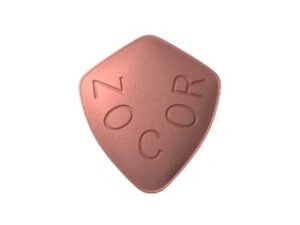
Simvastatin (Australian brand options may vary) — Patient Information
Simvastatin is a cholesterol-lowering medicine used to help reduce the risk of heart disease and stroke. It belongs to a group of medicines called statins. This guide explains how simvastatin works, how it’s taken, key safety considerations, possible interactions (including with alcohol and other medicines), and what to expect in everyday use in Australia.
Basic product information
| Category | Details |
|---|---|
| Medicine name | Simvastatin |
| Medicine group | Statin (HMG‑CoA reductase inhibitor) |
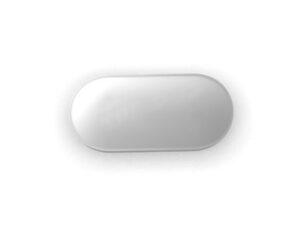
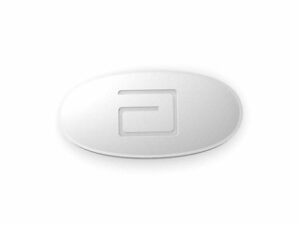
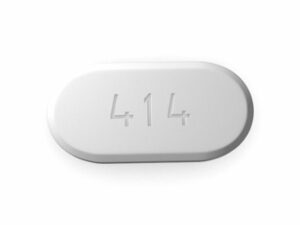
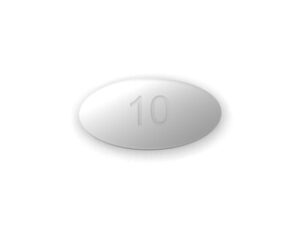
| Common strengths | Often available in 5 mg, 10 mg, 20 mg, 40 mg, and sometimes 80 mg tablets (brand availability may vary) |
| Typical form | Oral tablet |
| When it’s usually taken | Usually once daily, often in the evening |
| Main benefit | Helps lower LDL (“bad”) cholesterol and reduce cardiovascular risk |
The exact brand, tablet strengths, and packaging may differ by manufacturer. Always follow the instructions provided with your specific product.
What simvastatin does (mechanism of action)
Simvastatin works by slowing down an enzyme in the liver called HMG‑CoA reductase. This enzyme is involved in the production of cholesterol.
- By inhibiting this enzyme, simvastatin helps the liver use more cholesterol from the blood.
- As a result, LDL (“bad”) cholesterol typically falls, which can lower the risk of plaque build-up in arteries.
- Statins also may modestly reduce triglycerides and raise HDL (“good”) cholesterol.
Pharmacokinetics (how the body handles it)
Understanding pharmacokinetics can help explain why dosing timing and interactions matter.
- Absorption: Simvastatin is absorbed from the gut, then processed by the liver.
- Activation: It is a “prodrug,” meaning it is converted in the body into the active form.
- Metabolism: Simvastatin is primarily metabolised in the liver by the enzyme system involving CYP3A4.
- Elimination: Metabolites are cleared mainly via the biliary route (through the liver into bile and then the gut).
- Why evening dosing is common: Cholesterol production in the body tends to be higher at night, so taking simvastatin in the evening can improve effectiveness for many people.
Typical uses in Australia
Simvastatin is used to lower cholesterol and reduce cardiovascular risk. Depending on your situation, it may be prescribed when:
- You have high cholesterol (hypercholesterolaemia), including when lifestyle changes alone are not enough.
- You have established cardiovascular disease (for example, previous heart attack, angina, stroke, or certain types of blocked arteries).
- You have conditions that increase cardiovascular risk (such as diabetes), where lowering cholesterol can help reduce future risk.
It may also be used as part of a broader plan that includes diet, exercise, weight management, and controlling blood pressure and blood sugar where relevant.
When to take simvastatin (timing)
Many people take simvastatin once daily in the evening. However, your healthcare professional may provide individual advice.
- Common approach: Take your dose at the same time each day, often in the evening.
- If you miss a dose: Take it when you remember on the same day if it’s close to your usual time. If it’s near the next dose, skip the missed dose and resume your regular schedule.
- Don’t double up: Avoid taking two doses at once.
If you have questions about timing with your daily routine or other medicines, check your product instructions or speak to your pharmacist.
Food interactions and diet considerations
Simvastatin does not have a strict “must eat” requirement for many people, but there are food-related considerations that can affect absorption and safety.
Grapefruit and grapefruit juice
Grapefruit products should generally be avoided with simvastatin because grapefruit can inhibit CYP3A4, raising simvastatin levels and increasing the risk of side effects such as muscle injury.
General heart-healthy diet
- Aim for a diet that supports cholesterol lowering: more vegetables, whole grains, legumes, nuts, and healthy fats (such as those from fish and olive oil).
- Limit saturated fats (for example, fatty cuts of meat, butter, and full-fat dairy) and reduce trans fats where possible.
- Continue lifestyle efforts even when cholesterol improves—medicines work best alongside habits.
Alcohol and medicine interactions
Alcohol can affect the liver and may increase risk of liver-related side effects. It may also worsen triglycerides in some people.
- Moderation is important: If you drink alcohol, discuss your usual intake with a healthcare professional.
- Extra caution: Avoid heavy drinking, especially if you have liver disease or elevated liver enzymes.
- Watch for muscle symptoms: Tell your pharmacist or healthcare professional promptly if you develop unexplained muscle pain, tenderness, weakness, or dark-coloured urine.
Medicine interactions (very important)
Simvastatin levels can rise when certain medicines block CYP3A4 or affect statin transport pathways. Higher levels increase the risk of muscle injury (including rare but serious rhabdomyolysis) and can also affect liver safety.
Common interaction categories
- Macrolide antibiotics (examples: clarithromycin, erythromycin) — can increase simvastatin exposure.
- Antifungal medicines such as azoles (examples: ketoconazole, itraconazole) — can increase statin levels.
- HIV medicines (certain protease inhibitors) — may increase statin exposure.
- Some antiviral medicines (where relevant to your regimen).
- Some heart rhythm and blood pressure medicines — depending on the specific agent and dose.
-
Other cholesterol medicines:
- Fibrates (e.g., gemfibrozil, fenofibrate) — increased risk of muscle injury.
- Niacin (where used) — may increase muscle risk in some circumstances.
-
Warfarin and other anticoagulants:
- Statins can sometimes affect bleeding risk via INR changes. Monitoring may be needed.
-
Digoxin:
- Simvastatin may increase digoxin levels—monitoring may be required.
Practical interaction advice
- Before starting simvastatin, tell your pharmacist about all current medicines including over-the-counter products and herbal supplements.
- Pay special attention to medicines known to interact via CYP3A4.
- If you start a new medicine while on simvastatin, ask whether it changes your statin safety or dosing.
Indications and who may benefit
Simvastatin can be indicated for cholesterol management and cardiovascular risk reduction. While the exact eligibility depends on your clinical assessment, common indications include:
- Primary hypercholesterolaemia (including mixed dyslipidaemia, where appropriate).
- Prevention of major cardiovascular events in people with established cardiovascular disease or at increased risk.
- Adjunct to diet and other risk-reduction measures.
Your prescriber may consider baseline cholesterol levels, age, existing cardiovascular history, diabetes status, blood pressure, smoking status, kidney/liver function, and potential drug interactions.
Dosing and how to use it safely
Dosing of simvastatin is individual. Factors include baseline LDL cholesterol, response to prior cholesterol-lowering therapy, liver function, and interaction risk with other medicines.
Typical dose pattern (general guidance)
- Starting dose: Often begins at a lower strength for tolerability and safety.
- Adjustments: Dose may be increased gradually based on cholesterol response and safety monitoring.
- Maximum dose considerations: Higher doses may be associated with greater interaction risk, especially with certain interacting medicines.
Monitoring
- Lipid tests: Cholesterol levels are commonly rechecked after starting or changing dose to assess response.
- Liver enzymes: Liver function tests may be checked before starting and when clinically indicated thereafter.
- Muscle-related assessment: Report symptoms promptly; blood tests may be considered if there are concerning signs.
Safety profile: common and serious side effects
Many people tolerate simvastatin well. However, like all medicines, it can cause side effects. Knowing what to watch for helps you take action early.
Common side effects
- Headache
- Nausea or mild digestive discomfort
- Constipation or abdominal pain
- Mild muscle aches can occur, although persistent or severe symptoms should be assessed.
Less common but important: muscle injury
Statins can rarely cause serious muscle problems. Seek medical advice urgently if you develop:
- Unexplained muscle pain, tenderness, or weakness, especially if accompanied by fever or feeling unwell
- Dark-coloured urine
- Rapid worsening muscle symptoms
Serious but less common: liver problems
Contact a healthcare professional promptly if you have symptoms that may suggest liver injury, such as:
- Yellowing of the skin or eyes (jaundice)
- Severe fatigue or unusual weakness
- Severe abdominal pain (especially upper right)
- Dark urine and pale stools
New or unusual symptoms
If you experience side effects that are new, persistent, or worrying, stop and seek advice. Do not ignore muscle pain or signs of liver issues.
Practical tips for everyday use
- Take it consistently: Choose an evening time if that’s your routine; consistency improves adherence.
- Keep track of your medicines: Maintain a list (including tablets, creams, inhalers, supplements, and herbal products).
- Don’t start interacting products on your own: Ask a pharmacist before using new antibiotics, antifungals, or herbal supplements.
- Be alert to muscle symptoms: Report unexplained muscle pain/weakness quickly, particularly after starting a new interacting medicine or increasing dose.
- Support the “whole plan”: Statins work best alongside heart-healthy eating and regular physical activity.
- Follow monitoring schedules: If lipid or liver tests are arranged, attend them.
What to do if you miss a dose
If you forget a dose:
- Take it when you remember on the same day if it’s close to your scheduled time.
- If it’s almost time for the next dose, skip the missed dose.
- Do not take two doses together to “catch up.”
Alternative options to consider
If simvastatin isn’t suitable due to side effects, drug interactions, or insufficient cholesterol reduction, there are alternatives. Options may include:
- Other statins such as atorvastatin, rosuvastatin, or pravastatin (selected based on your interaction profile and lipid goals).
- Ezetimibe, which lowers cholesterol absorption in the gut.
- PCSK9 inhibitors (usually for specific high-risk patients).
- Bile acid sequestrants in some cases.
- Fibrates or omega-3 products where the main issue is triglycerides (guided by clinical needs).
Choice of alternative depends on your cholesterol pattern, cardiovascular risk, kidney/liver function, and which other medicines you take.
Market and legal context for Australia
In Australia, access to medicines is governed by national and state-based pharmacy and medicines regulation. Statins are commonly used under healthcare supervision, and product details are guided by Australian regulatory information and prescribing guidelines.
- Supply through licensed pharmacies: Medicines are dispensed via approved channels.
- Safety-focused labelling: Australian products include instructions and information on interactions and monitoring.
- Guidelines and risk assessment: Cardiovascular prevention decisions are typically made using risk calculators and clinical guidelines.
Recent guidance and ongoing safety considerations
In recent years, international and Australian safety communications have reinforced key statin precautions, particularly:
- Recognising and promptly reporting muscle symptoms.
- Avoiding or limiting interacting medicines that raise statin concentrations.
- Individualising doses and using the lowest effective dose that achieves cholesterol targets.
- Monitoring where clinically indicated (lipids, liver tests, and muscle assessment).
Always use the latest information in your product documentation and speak with a pharmacist if you have concerns, especially when starting or stopping interacting medicines.
Delivery and availability (Australia)
Availability of simvastatin tablets can vary by strength and brand. In Australia, online pharmacies typically stock common tablet strengths and may source alternatives when required.
- Stock updates: Availability can change due to supply cycles and manufacturer production.
- Dispatch times: Orders are usually dispatched after verification and packaging; exact timelines depend on location and cut-off times.
- Cold-chain: Simvastatin tablets do not require cold storage.
- Delivery area: Services depend on the pharmacy’s delivery coverage within Australia.
How to store simvastatin
- Store tablets in the original pack to protect from light and moisture.
- Keep at room temperature, away from heat sources.
- Keep out of reach of children.
FAQ about simvastatin
1) What does simvastatin lower?
Simvastatin primarily lowers LDL (“bad”) cholesterol. It may also reduce triglycerides and modestly increase HDL (“good”) cholesterol. The overall aim is to reduce cardiovascular risk.
2) How long does it take to work?
Cholesterol improvements are often seen within a few weeks. Your lipid levels are commonly rechecked after starting or changing dose to confirm the effect and guide next steps.
3) Should I take simvastatin at night?
Many people are advised to take simvastatin in the evening. Night dosing relates to the body’s natural cholesterol production cycle. Follow your product instructions or your healthcare professional’s advice.
4) Can I drink alcohol while taking simvastatin?
Moderate alcohol may be acceptable for some people, but heavy or frequent drinking can increase liver strain and may increase risk of side effects. If you have liver disease or high liver enzymes, extra caution is needed—ask your pharmacist.
5) Is grapefruit juice safe with simvastatin?
Grapefruit (including grapefruit juice) should generally be avoided because it can increase simvastatin levels and raise the risk of muscle-related and other adverse effects.
6) What should I do if I get muscle pain?
Report unexplained muscle pain, weakness, or tenderness promptly—especially if symptoms are severe, persistent, or associated with dark urine or fever. Seek urgent advice if symptoms are concerning.
7) Can simvastatin interact with other medicines?
Yes. Interactions are one of the most important safety issues with simvastatin. Some antibiotics, antifungals, HIV medicines, and other cholesterol-lowering agents can increase statin levels. Always check with your pharmacist when starting new medicines or supplements.
8) What if my cholesterol improves—can I stop simvastatin?
Statins are usually long-term medicines for prevention. Stopping may cause cholesterol to rise again and may increase cardiovascular risk. Discuss any change with your healthcare professional before stopping.
9) Are there alternatives if simvastatin doesn’t suit me?
Yes. Your options may include another statin, a different dosing strategy, or non-statin cholesterol medicines such as ezetimibe, depending on your risk profile and cholesterol results.
10) Who should take extra care?
Extra caution may be needed if you have:
- Known liver disease or abnormal liver tests
- Kidney impairment
- A history of statin-related muscle problems
- Several interacting medicines
- Older age or frailty
Your pharmacist can help review your medication list for interaction risks.
11) Can I take simvastatin with other cholesterol medicines?
Sometimes, but combination therapy increases the need for monitoring and interaction checking. If you are using fibrates, niacin, or other lipid-lowering agents, discuss safety considerations with your pharmacist.
Summary
Simvastatin is a statin medicine used to lower LDL cholesterol and reduce cardiovascular risk. It works by decreasing cholesterol production in the liver, and it is typically taken once daily in the evening. Because simvastatin is metabolised by liver enzymes involved in drug interactions (notably CYP3A4), grapefruit and certain medicines can significantly raise statin levels and increase the risk of serious side effects—particularly muscle injury.
If you take simvastatin, practise good medication habits (consistent timing, avoiding grapefruit, and checking for interactions), and seek prompt advice for any concerning symptoms such as unexplained muscle pain or signs of liver problems. For personalised guidance, speak with your pharmacist or healthcare professional.