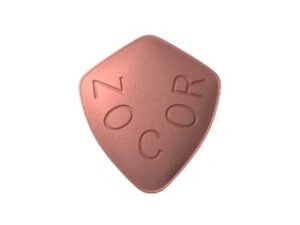
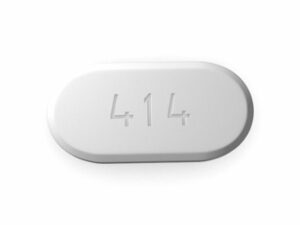
Crestor (Rosuvastatin) – Patient Information (Australia)
Crestor is a brand of rosuvastatin, a medicine used to lower cholesterol and reduce the risk of certain cardiovascular (heart and blood vessel) events. This page explains what Crestor does, how it works in the body, how it is typically taken, important safety information, and practical tips for using it effectively.
Please note: Individual treatment plans differ. Always follow your prescriber’s advice and the directions on the product packaging. If you have questions or experience side effects, seek medical advice promptly.
Basic product information
| Category | Details |
|---|---|
| Medicine | Crestor (rosuvastatin) |
| Type | Statin (HMG‑CoA reductase inhibitor) |
| Common strengths | Varies by product listing (e.g., 5 mg, 10 mg, 20 mg, 40 mg) |
| Therapeutic use | Helps lower LDL (“bad”) cholesterol and triglycerides; raises HDL (“good”) cholesterol; reduces cardiovascular risk |
| Typical route | Oral (swallowed) |
| How it’s taken | Once daily dosing is common |
How Crestor works (mechanism of action)
Crestor belongs to the group of medicines called statins. Statins work by reducing cholesterol production in the liver. Specifically, rosuvastatin inhibits an enzyme called HMG‑CoA reductase, which is involved in the body’s cholesterol-synthesis pathway.
As a result, liver cells increase the number of LDL receptors on their surface. This helps remove LDL cholesterol from the blood. Lowering LDL cholesterol helps reduce the build-up of plaque in arteries (atherosclerosis) and may reduce the risk of heart attack, stroke, and other cardiovascular events in appropriate patients.
Pharmacokinetics (what happens to the medicine in the body)
Understanding pharmacokinetics can help you know what to expect from dosing and timing. While individual results vary, the following points are generally relevant to rosuvastatin:
- Absorption: Rosuvastatin is absorbed after oral dosing. Peak (highest) blood levels generally occur within a few hours of taking a dose.
- Distribution: It distributes through the body tissues, with significant effects on the liver (the main site of cholesterol metabolism).
- Metabolism: Rosuvastatin is minimally metabolised compared with some other statins and is partly processed by hepatic pathways (including enzymes and transporters).
- Elimination: It is eliminated mainly via the liver and bile, and some is excreted through the kidneys.
- Half-life: Rosuvastatin has a relatively long activity profile, supporting once-daily dosing for many people.
Importantly, cholesterol-lowering effects develop over days and increase over time. Many people notice measurable improvements within a few weeks. Your doctor may repeat blood tests to confirm your response and adjust dose if needed.
Typical uses in Australia
Crestor is used to treat high cholesterol conditions and to reduce cardiovascular risk in people who meet clinical criteria. It is commonly prescribed as part of a broader plan that may include diet changes, exercise, weight management, and smoking cessation support.
Common indications
- Primary hypercholesterolaemia: Lowering LDL cholesterol in people with elevated cholesterol levels.
- Mixed dyslipidaemia: Helping improve overall cholesterol and triglyceride levels.
- Familial hypercholesterolaemia: Treating inherited high LDL cholesterol levels in appropriate patients.
- Prevention of cardiovascular events: Reducing the risk of heart attack, stroke, and other events in people with increased cardiovascular risk (as determined by clinical assessment).
Who should not use Crestor (important considerations)
Not everyone is suitable for statin treatment. Crestor may be inappropriate for some people, especially in situations that increase risk.
- Pregnancy or trying to conceive: Cholesterol synthesis is important during pregnancy; statins are generally not used in pregnancy.
- Breastfeeding: Statins are generally not recommended during breastfeeding.
- Active liver disease: Statins may not be suitable if liver function is significantly impaired.
- Allergy or previous serious reaction: Do not use if you have had a serious hypersensitivity reaction to rosuvastatin or any component.
If any of these apply, discuss options with a healthcare professional before starting or continuing Crestor.
Dosing and timing: how to take Crestor
Crestor is commonly taken . Many patients can take it at any time of day, with or without food, because rosuvastatin absorption is not strongly time-dependent. However, it is best to take it consistently each day.
Typical starting and maintenance approach
The exact dose depends on your cholesterol levels, cardiovascular risk, other medical conditions (including kidney or liver function), and other medicines you take. Common dose ranges include:
- Lower doses for mild to moderate cholesterol lowering needs or to reduce side-effect risk.
- Higher doses for greater LDL reduction when clinically appropriate.
Do not increase or decrease your dose without medical advice. If you miss a dose, follow the instructions from your healthcare professional or product label.
When to take it
- Consistency matters: Pick a time you can maintain daily.
- Food is usually not an issue: Crestor can be taken with or without food in most patients.
- Monitoring: Your doctor may check blood lipids periodically (e.g., after a dose change) to guide adjustments.
Food interactions: what to know
Rosuvastatin generally has fewer food interactions than some other drugs. In most cases, food does not significantly change how rosuvastatin works.
However, certain dietary patterns and supplements can affect lipid levels or interact indirectly with statin safety:
- Grapefruit: Unlike some statins, rosuvastatin is less associated with grapefruit-related interaction concerns, but it’s still wise to discuss large changes in citrus consumption or supplements with your pharmacist.
- High-dose supplements: Very high doses of certain supplements can sometimes affect muscle or liver health indirectly. If you use supplements (especially those aimed at performance), ask for advice.
- Alcohol and diet: Heavy alcohol intake can increase liver stress; diet changes should be discussed alongside statin therapy.
If you have dietary restrictions (e.g., for diabetes, kidney disease, or liver disease), your clinician may tailor recommendations.
Alcohol interactions
Statins can affect liver enzymes in some people. Regular or heavy alcohol use may increase the risk of liver-related side effects. For this reason, it’s important to consider alcohol intake carefully while on Crestor.
- Moderation is important: If you drink alcohol, keep it within recommended safe limits and discuss your habits with your doctor.
- Stop and seek advice: If you develop symptoms such as unusual fatigue, dark urine, yellowing of the skin/eyes, or severe abdominal pain, seek medical advice promptly.
Medicine interactions: common and important ones
Rosuvastatin can interact with other medicines, primarily through transporters and enzyme pathways that affect drug levels in the body. Some interactions may increase rosuvastatin concentration and raise the risk of side effects such as muscle problems.
Examples of interactions to discuss
- Other lipid-lowering medicines: Particularly certain combinations may increase muscle-related side effects.
- Antibiotics/antifungals: Some medicines can increase statin levels (for example, certain macrolide antibiotics or azole antifungals).
- HIV or hepatitis treatments: Some antiviral regimens can affect rosuvastatin levels.
- Immunosuppressants: Certain medicines used after transplantation may interact.
- Anticoagulants: Some blood thinners have interaction considerations (monitoring may be needed for bleeding risk depending on the specific medicine).
- Hormones and other prescription medicines: Always check for potential interactions when starting a new medicine.
- Herbal products: Supplements marketed for cholesterol or “natural statin” effects may add unexpected risks. Ask a pharmacist before use.
Practical advice: Keep an up-to-date list of all medicines, including over-the-counter products and supplements. Share it with your pharmacist when refilling or starting Crestor.
Safety profile: side effects and when to get help
Most people tolerate rosuvastatin well. However, as with all medicines, side effects can occur. Understanding potential risks helps you identify problems early.
Common side effects
- Headache
- Stomach discomfort or nausea
- Constipation or diarrhoea
- Muscle aches (mild)
Serious but uncommon side effects (seek urgent medical advice)
- Muscle injury (myopathy/rhabdomyolysis): Symptoms may include severe muscle pain, tenderness, weakness, or dark/cola-coloured urine. Seek medical help urgently if these occur.
- Liver problems: Symptoms such as yellowing of skin/eyes, dark urine, persistent nausea/vomiting, or severe abdominal pain.
- Allergic reactions: Swelling of face/lips, difficulty breathing, hives, or severe rash.
If you experience any worrying symptoms after starting Crestor, contact your healthcare provider promptly.
Risk factors that may increase side-effect likelihood
Your clinician may use a cautious dosing strategy or additional monitoring if you have factors that increase risk, such as:
- Older age
- Kidney impairment
- Liver disease or elevated liver enzymes
- Hypothyroidism (untreated thyroid conditions)
- Heavy alcohol intake
- Taking medicines known to interact with rosuvastatin
- History of statin-related muscle symptoms
Practical use tips for best results
Crestor works best as part of a complete cardiovascular risk-management plan. The tips below can help you get the most from therapy:
- Take it daily: Statins are designed for ongoing use. Stopping suddenly can allow cholesterol levels to rise again.
- Pair with lifestyle changes: A heart-healthy eating pattern, regular physical activity, and maintaining a healthy weight can improve lipid outcomes.
- Don’t ignore muscle symptoms: Mild aches can occur, but severe or persistent muscle pain should be assessed promptly.
- Attend blood tests: Lipid tests show cholesterol response, and liver tests may be checked based on your history and symptoms.
- Tell your pharmacist about new medicines: Interactions are easier to manage before they become a problem.
- Hydration and activity: Staying hydrated and avoiding sudden strenuous changes in activity can help reduce discomfort, though this does not replace medical assessment if symptoms are severe.
Monitoring: what blood tests and follow-up may involve
Many clinicians perform baseline assessments and periodic monitoring. Monitoring needs differ between individuals, but may include:
- Lipid profile: to measure LDL, HDL, and triglycerides
- Liver function tests: to check liver enzymes, especially if there are symptoms or risk factors
- Assessment of muscle symptoms: if you develop pain/weakness, your clinician may order blood tests such as creatine kinase (CK)
Your follow-up frequency depends on your risk level, starting dose, and response to treatment.
Alternative options (if Crestor isn’t suitable)
If rosuvastatin isn’t suitable due to side effects, inadequate cholesterol lowering, or interactions, there are other approaches. These depend on the reason for change and your clinical situation.
Statin alternatives
- Other statins (such as atorvastatin, simvastatin, pravastatin, or fluvastatin) may be considered.
Non-statin cholesterol-lowering medicines
- Ezetimibe: reduces cholesterol absorption in the intestines.
- Bempedoic acid: can help lower LDL in selected patients.
- PCSK9 inhibitors: injectable medicines used for certain high-risk or familial cases.
- Bile acid sequestrants: may be an option in some patients.
- Fibrates and omega-3 products: used more for triglyceride control (depending on individual risk and therapy goals).
Your doctor can guide the best alternative based on your cholesterol pattern, cardiovascular risk, and medical history.
Market and legal context for Australia
In Australia, statin medicines such as rosuvastatin are part of regulated healthcare supply and prescribing pathways. Availability may vary by product and strength, and pharmacy supply rules apply.
For online purchasing, reputable Australian pharmacies follow relevant requirements for medicine information, product traceability, and patient safety. Always ensure you are buying from a trusted source and that your medicine is supplied in appropriate packaging with clear labelling and expiry details.
Clinical decisions are guided by Australian cholesterol and cardiovascular prevention guidance and individual patient risk assessment. Ongoing professional updates may refine recommendations on which patients benefit most and how intensively treatment should be tailored.
Recent guidance and updates (general trends)
Guidance for cholesterol management and cardiovascular prevention continues to evolve. Recent clinical practice commonly emphasises:
- Individual risk assessment: using overall cardiovascular risk, not cholesterol numbers alone.
- Shared decision-making: discussing benefits and potential side effects with patients.
- Appropriate intensity: selecting a statin dose that achieves clinically meaningful LDL reduction while considering tolerability.
- Monitoring for safety: promptly evaluating muscle symptoms and reviewing interacting medicines.
If you want the most current local recommendations for your situation, speak with your doctor or pharmacist. They can also explain how your latest blood results influence dose goals.
Delivery and availability
Online pharmacies in Australia typically provide home delivery options for eligible medicines. Availability depends on stock and strength.
What to expect when ordering online
- Product verification: You should receive the correct rosuvastatin strength and pack size.
- Delivery timelines: Vary by location and courier service; estimated delivery times are commonly shown at checkout.
- Packaging: Medicines are usually supplied in original manufacturer packaging with expiry details.
- Storage: Store tablets as directed on the label, typically at room temperature away from moisture and direct sunlight.
If you are travelling or switching address, it’s helpful to plan delivery timing to avoid missed deliveries and delays.
FAQ
1) Is Crestor (rosuvastatin) the same as other statins?
Crestor contains rosuvastatin, which is one of several statins. Each statin has different dosing and interaction profiles, so your dose and choice may change based on your risk and tolerance.
2) How long does it take to work?
Cholesterol levels typically improve within a few weeks. Your clinician may check a lipid profile after starting or changing the dose to confirm you are on track.
3) Can I take Crestor with food?
Yes. In most cases, rosuvastatin can be taken with or without food. Taking it at the same time each day may help you remember.
4) Does alcohol affect Crestor?
Heavy alcohol intake may increase the risk of liver-related problems. If you drink alcohol, discuss your habits with your doctor and keep within recommended limits.
5) What should I do if I miss a dose?
Take it when you remember unless it is close to the time for your next dose. Do not double up. If unsure, check the product label instructions or ask your pharmacist.
6) What are warning signs of muscle problems?
Seek medical attention urgently if you develop severe muscle pain, weakness, or dark-coloured urine, especially soon after starting or increasing a statin dose.
7) Can I take Crestor with other cholesterol medicines?
Some combinations may be appropriate for certain patients but can increase the risk of side effects. Always consult a healthcare professional before combining lipid-lowering medicines.
8) Are there any people who should avoid Crestor?
Crestor is generally not used in pregnancy or breastfeeding, and may be unsuitable with certain liver conditions or previous serious reactions. Discuss your personal situation with your healthcare provider.
9) How do I reduce the chance of side effects?
Tips include taking the correct dose, avoiding interacting medicines where possible, reporting muscle symptoms early, staying hydrated, and attending recommended monitoring tests.
10) What if I feel fine but my blood tests aren’t at goal?
Some people feel no symptoms even when cholesterol remains high. If your LDL levels are above target, your clinician may adjust the dose or consider an additional medicine to improve control.
Summary
Crestor (rosuvastatin) is a statin medicine used to lower LDL cholesterol and reduce cardiovascular risk. It works by decreasing cholesterol production in the liver and increasing LDL removal from the bloodstream. Rosuvastatin is usually taken once daily, with food generally not a major issue. As with all medicines, it can cause side effects in some people, including muscle or liver-related concerns—so it’s important to recognise warning symptoms and report them promptly.
If you would like help understanding whether Crestor is a good option for your cholesterol profile and risk level, speak with your pharmacist or healthcare professional.