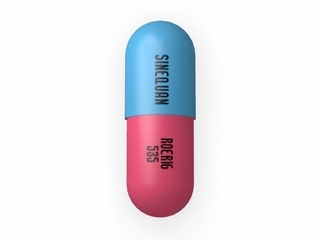
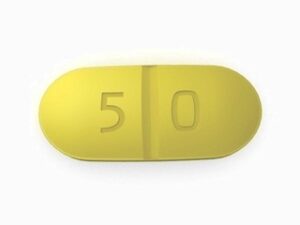
Sinequan (Doxepin) – Patient Information (Australia)
Sinequan is a brand of doxepin, a medicine used to treat certain mental health conditions and sometimes nerve-related pain. This page explains how doxepin works, how it is typically taken, common precautions, and practical tips to help you use it safely and effectively in Australia.
Note: Medicines affect people differently. Always read the product information supplied with your medicine and follow the advice of your healthcare professional.
Quick Facts
- Active ingredient: Doxepin
- Medicine class: Tricyclic antidepressant (TCA)
- Typical forms: Tablets (strengths may vary by product/availability)
- Common uses: Depression, anxiety/related symptoms (as advised), and sometimes other conditions depending on clinical assessment
- How it’s taken: Often once daily, commonly at night for sleep-related symptoms (depending on your regimen)
- Time to effect: Some benefits may begin within days; fuller effects often take several weeks
Basic Product Information
Sinequan (doxepin) is a tricyclic antidepressant. It acts on several brain chemicals involved in mood, stress response, and pain pathways.
In Australia, doxepin-containing products are supplied via prescription pathways (availability and brand presentation may vary). Your pharmacist can confirm the exact brand, strength, and formulation you have.
What to expect when starting
- Early days: You may notice calming/sedating effects (especially if taken in the evening).
- First 1–2 weeks: Mood and anxiety symptoms may begin to change.
- Weeks 3–6: Many people reach their most noticeable benefit (if the medicine is a good match).
How Sinequan (Doxepin) Works (Mechanism of Action)
Doxepin is best known as a tricyclic antidepressant. It influences the reuptake of certain neurotransmitters in the brain, which can help improve symptoms such as low mood, anxiety, and emotional distress.
- Serotonin and noradrenaline reuptake: Doxepin helps increase signalling in pathways that involve serotonin and noradrenaline.
- Histamine (H1) effects: This contributes to sedation, which is why some people find it helpful at night.
- Anticholinergic effects: Doxepin can reduce certain nerve signalling involving acetylcholine, which may explain dry mouth and constipation.
- Other receptor interactions: These contribute to both therapeutic effects and side effects.
Because doxepin acts on multiple targets, it may be effective for some individuals but can also be associated with a wider range of side effects than some newer antidepressants.
Pharmacokinetics (How the Body Handles Doxepin)
Pharmacokinetics describes what happens after you take a dose—absorption, distribution, metabolism, and elimination.
Absorption and onset
- Doxepin is absorbed after oral dosing.
- Onset of noticeable effects varies by symptom (sleep vs mood) and by person.
Distribution
- Doxepin is distributed widely throughout body tissues.
- It can cross into the brain, which is part of how it affects symptoms.
Metabolism
- Doxepin is primarily metabolised in the liver.
- Other drug interactions may influence its levels (for example, some medicines that affect liver enzymes).
Elimination
- Elimination occurs mainly via metabolism, with drug metabolites removed from the body over time.
- The “half-life” (how long it takes for the amount in the body to reduce by half) can be long, meaning effects can persist and stopping suddenly may lead to more noticeable withdrawal-like symptoms in some people.
Practical takeaway: Do not change your dose or stop abruptly unless advised by your healthcare professional.
Typical Use and Indications
Doxepin is used for conditions where a tricyclic antidepressant may be appropriate. Indications can vary depending on the specific product, country guidance, and individual clinical assessment.
Common indications (may vary)
- Depression (including symptoms such as low mood, loss of interest, and emotional distress)
- Anxiety symptoms associated with depression, or other anxiety-related presentations as advised
- Sleep difficulties related to mood/anxiety (often improved by sedating effects when dosed at night)
- Other uses may be considered in particular clinical situations under medical supervision
If you are unsure why you were given Sinequan, ask your doctor or pharmacist. Understanding the goal of treatment (mood, anxiety, sleep, or pain-related symptoms) helps you judge whether it is working.
Timing and How to Take Sinequan
How you take doxepin can influence both effectiveness and side effects—especially sleepiness, dry mouth, and dizziness.
Typical timing
- Often at night: Many people take it in the evening or before bed due to its sedating effects.
- Once or split dosing: Some regimens may involve once-daily dosing or divided doses, depending on symptom pattern and tolerability.
How to take your dose
- Take it at the same time each day to support steady effect.
- Swallow tablets with water.
- If you miss a dose, do not double up—follow the guidance provided by your healthcare professional or product information.
What to expect in the first days
- Sleepiness: You may feel drowsy. Avoid driving or operating machinery until you know how it affects you.
- Dry mouth: This may be noticeable early; hydration and sugar-free lozenges can help.
- Constipation or urinary changes: These may occur and are easier to manage when addressed early.
Food Interactions
Food interactions are generally less prominent than with some other medicines, but doxepin can be affected by factors that influence absorption and how you feel after taking it.
- With or without food: Many patients can take doxepin with or without food. However, follow the specific instructions for your product.
- Heavy meals: If food makes you more sleepy or slows your stomach emptying, it may influence how quickly you feel sedated.
- Grapefruit and other juices: Some medicines have interactions with grapefruit. Doxepin’s metabolism can involve liver enzymes, so if you use grapefruit products regularly, discuss with a pharmacist.
Practical tip: Taking doxepin at night with a routine (e.g., after dinner) may reduce daytime effects for those who feel drowsy.
Alcohol Interactions
Combining doxepin with alcohol can increase the risk of side effects and impaired coordination.
- Increased sedation: Alcohol can intensify drowsiness, dizziness, and slowed reaction time.
- Higher risk of falls or accidents: Particularly in older adults or when standing up quickly.
- Safety concern: If you drink alcohol, keep it minimal and avoid timing it close to your dose until you know how you respond.
Avoid alcohol if you feel noticeably drowsy after your dose or if your clinician has advised against it.
Interactions with Other Medicines (Important)
Doxepin may interact with other medicines and substances, changing either effectiveness or side effect risk. Tell your healthcare professional and pharmacist about all medicines you take, including:
- Prescription medicines
- Over-the-counter medicines (including sleep aids and antihistamines)
- Herbal products
- Supplements
Medicines that may increase sedation or drowsiness
- Some antihistamines (used for allergies, colds, or sleep)
- Sedatives or sleeping tablets
- Opioid pain medicines
- Some anxiety medicines
Medicines that can affect liver metabolism
- Certain antibiotics, antifungal medicines, and other drugs that influence liver enzymes may alter doxepin levels.
- Some medicines that induce or inhibit metabolism can increase side effect risk or reduce effect.
Serotonin-related medicines
- If combined with other medicines that raise serotonin, there may be a risk of serotonin-related side effects.
- Your clinician can check the combination for safety.
Heart rhythm considerations
- Tricyclic antidepressants can affect cardiac conduction in some circumstances.
- Inform your doctor if you have a history of heart rhythm problems, fainting, or significant cardiovascular disease.
- Also mention if you take medicines known to affect heart rhythm.
Practical takeaway: Always confirm safety for new medicines—especially sleep remedies, antihistamines, and pain medications.
Dosing (General Guidance)
Your dose is individual. Factors include your age, the condition being treated, other health issues (such as liver disease), and how you respond to the medicine.
General approach to dosing
- Start low: Clinicians often begin with a low dose to reduce early side effects.
- Adjust gradually: Dose increases may be done slowly based on symptom improvement and tolerability.
- Once a stable dose is reached: Continue at the effective dose for a period, then review regularly.
Typical dosing frequency
- Many regimens are once daily, commonly in the evening.
- Some patients may use divided dosing depending on symptoms and side effects.
Important: Do not adjust your dose on your own. If you miss doses or stop, side effects or symptom return may occur.
Safety Profile and Side Effects
Like all medicines, doxepin can cause side effects. Some are more common at the start and may lessen as your body adjusts.
Common side effects
- Sleepiness or drowsiness (especially if taken during the day)
- Dry mouth
- Constipation
- Dizziness, especially when standing (orthostatic symptoms)
- Blurred vision
- Weight changes in some people
- Increased appetite
- Urinary retention or difficulty urinating (more likely in susceptible people)
Less common but important risks
- Changes in heart rhythm (rare, but important—seek advice if you feel palpitations, chest pain, or fainting)
- Worsening mood or suicidal thoughts early in treatment: if you experience this, seek urgent medical help
- Allergic reactions (e.g., rash, swelling, breathing difficulties)
- Severe sedation when combined with alcohol or other sedating medicines
- Serotonin-related symptoms if combined with certain medicines
When to seek urgent medical help
- Fainting, severe dizziness, or signs of an abnormal heartbeat
- Severe allergic reaction (swelling of face/lips, trouble breathing)
- Confusion, extreme sleepiness, or difficulty waking
- New or worsening thoughts of self-harm
Stopping or reducing dose
Doxepin may be associated with withdrawal-like symptoms if stopped abruptly. If you and your healthcare professional decide to stop, it is often tapered gradually. Never stop suddenly without advice.
Practical Use Tips (How to Make Treatment Easier)
- Take at a consistent time: helps improve sleep and stabilises daily effects.
- Plan for early sedation: avoid alcohol and be cautious with driving until you know your response.
- Manage dry mouth: sip water, use sugar-free gum/lozenges, and maintain good oral hygiene.
- Prevent constipation: increase fluids, dietary fibre, and consider discussing stool-softening options with your pharmacist.
- Stand up slowly: helps reduce dizziness from low blood pressure.
- Keep track of symptoms: note sleep quality, anxiety levels, and mood changes—useful for treatment reviews.
- Stay alert to interactions: inform your pharmacist before starting new medicines.
- Use a medication routine: pillbox or phone reminders can reduce missed doses.
Alternative Options (If Sinequan Isn’t Suitable)
There are many treatments for depression, anxiety, and sleep difficulties. Alternatives may include other antidepressants, psychotherapy, and lifestyle strategies. The best option depends on your specific symptoms, history, and tolerability.
Medication alternatives (examples)
- Other antidepressants: some SSRIs/SNRIs or other classes may be considered
- Sleep-focused approaches: depending on the cause of insomnia, your clinician may suggest different strategies
- Non-medication support: cognitive behavioural therapy (CBT), sleep hygiene, and stress management
- Pain-focused treatments: if the medicine is being used for nerve-related pain, there may be other options
Important: Switching between antidepressants can require careful planning to avoid symptom changes or side effects. Discuss with your clinician rather than changing on your own.
Australia: Market and Legal Context
In Australia, medicines containing doxepin are generally supplied through established pharmaceutical channels and may require a prescribing arrangement depending on current product status and regulatory classification. Always confirm the requirements that apply to the specific product you’re purchasing or using.
Online pharmacies in Australia operate under regulatory standards that require compliance with relevant state/federal rules, including patient safety checks and appropriate dispensing processes.
Recent guidance and safety themes (general)
- Ongoing monitoring: Clinicians regularly monitor mood and side effects, especially during early treatment and dose changes.
- Drug interaction awareness: Increased focus on avoiding unsafe combinations (e.g., with sedatives or substances that increase drowsiness).
- Cardiac caution: Tricyclic antidepressants can be used with caution in people with cardiovascular risks; assessment may include history and sometimes ECG depending on risk.
If you have concerns about whether doxepin is safe for your situation (e.g., age, heart history, liver conditions, or other medicines), speak with a healthcare professional.
Delivery and Availability (Online Pharmacy)
Availability can vary by region and stock levels. When ordering online in Australia, delivery typically depends on:
- Your location (metro vs regional)
- Stock status and dispatch timelines
- Standard vs express delivery options (where available)
How to ensure a smooth order
- Confirm the brand, strength, and form match your current prescription/medication plan.
- Check expiry dates on arrival (your pharmacist may check before dispatch).
- If you have any allergies or past reactions, review the product label.
If you require assistance, Australian pharmacies can help you understand dosing schedules and how to take your medicine safely.
FAQ – Sinequan (Doxepin)
1) When will I feel better after starting Sinequan?
Some people notice changes in sleep, calmness, or anxiety within the first few days. Mood improvement often takes longer—commonly several weeks. If you don’t feel any benefit after a reasonable trial, discuss with your clinician before changing or stopping.
2) Can I take Sinequan in the morning?
It depends on your prescribed regimen and how sedating it makes you feel. Because doxepin can cause drowsiness, many people take it at night. If morning dosing is causing sleepiness, ask your healthcare professional about timing adjustments.
3) What should I do if I miss a dose?
Follow the guidance from your healthcare professional or the product information. In general, if you remember shortly after the scheduled time, you may take it—unless it’s close to the next dose. Avoid double dosing.
4) Is it safe to drive or operate machinery?
Until you know how doxepin affects you, avoid driving or hazardous activities. Doxepin can cause sedation, slowed reaction time, and dizziness—especially early in treatment or after dose changes.
5) What are the common early side effects?
Common early side effects include sleepiness, dry mouth, constipation, and dizziness. Staying hydrated, adjusting lifestyle habits (like fluid and fibre intake), and communicating with your pharmacist can help.
6) Can I drink alcohol while taking Sinequan?
Alcohol can increase sedation and impair coordination. It’s best to avoid alcohol, particularly during the early days or if you feel drowsy after your dose.
7) Are there drug interactions I should watch for?
Yes. Medicines that increase sedation (certain antihistamines, sleeping tablets, opioids, and some anxiety medicines) can be risky together. Also mention all medications (including herbal products) to your pharmacist to check for interactions.
8) How long can I take doxepin?
That depends on your condition and response. Many people continue treatment for a period and then review whether to continue, adjust, or taper. Long-term plans should be determined by your healthcare professional.
9) Can I stop suddenly?
Stopping suddenly is not usually recommended. Doxepin may be associated with withdrawal-like symptoms and symptom return. If discontinuation is planned, it is commonly done gradually under medical guidance.
10) What if I have trouble with constipation or dry mouth?
These are common and manageable. Increase fluids and fibre, maintain oral hygiene, and consider sugar-free gum/lozenges for dry mouth. If symptoms are severe, contact your pharmacist or doctor—there may be supportive options.
Summary
Sinequan (doxepin) is a tricyclic antidepressant that can help improve mood, anxiety-related symptoms, and sleep difficulties for suitable patients. It works by affecting multiple brain signalling pathways and may cause sedation, dry mouth, constipation, and dizziness—especially early on. Because doxepin can interact with alcohol and other medicines and may have important safety considerations, it’s important to follow your recommended dosing schedule and speak with your pharmacist or healthcare professional if you have concerns.
Always read the Consumer Medicine Information for the specific product you receive and seek urgent medical care for severe allergic reactions, signs of an abnormal heartbeat, extreme drowsiness, or worsening suicidal thoughts.