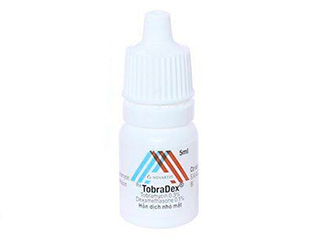
Tobradex (Obramycin / Dexamethasone) Eye Drops & Ointment — Patient Information (Australia)
Tobradex is a prescription medicine used in the eye to treat inflammation along with bacterial infections. It combines two active ingredients:
- Obramycin (an antibiotic, also called an aminoglycoside)
- Dexamethasone (a corticosteroid to reduce inflammation)
This page explains how Tobradex works, what it’s used for, how to take it, key safety information, and practical tips. It is written in patient-friendly language for people in Australia.
Basic product information
| Feature | Details |
|---|---|
| Brand | Tobradex |
| Active ingredients | Obramycin + Dexamethasone |
| Medicinal form | Eye drops and/or eye ointment (depending on product availability) |
| Therapeutic category | Antibiotic + corticosteroid ophthalmic combination |
| Typical setting | Short-term treatment of eye infections with inflammation |
Important: Tobradex is intended for the eye only. Do not swallow it and do not use it for other parts of the body unless specifically instructed by a clinician.
How Tobradex works (mechanism of action)
Tobradex contains two medicines that work together:
- Obramycin (antibiotic): helps stop the growth of susceptible bacteria. It works by interfering with bacterial protein synthesis, which bacteria need to grow and multiply.
- Dexamethasone (corticosteroid): reduces inflammation. It helps lessen redness, swelling, irritation, and discomfort caused by inflammatory processes.
Why both? Some eye conditions involve both infection and inflammation. The steroid component can reduce inflammatory signs, while the antibiotic component targets bacteria that may be causing the problem.
Pharmacokinetics (what happens to the medicine in the body)
Ophthalmic (eye) medicines are applied locally. Systemic absorption (into the bloodstream) can occur, particularly when drops are used frequently or when technique leads to drainage through the tear duct.
- Local action: Most benefit occurs in the eye tissues where the drops/ointment are applied.
- Systemic absorption: Dexamethasone and obramycin can be absorbed to a limited extent through the eye and nasal/tear drainage pathways.
- Elimination: Any drug that reaches the bloodstream is eliminated by normal bodily processes, though levels are usually low with proper eye use.
Tip to reduce systemic absorption: After applying, gently press the inner corner of your eye (near the nose) for about 1 minute. This is often called punctal occlusion and can help reduce drainage into the nose.
Typical use: when Tobradex is used
Tobradex is used for eye inflammation associated with bacterial infection or when clinicians suspect bacterial involvement. Common scenarios include:
- Inflamed eye conditions where bacteria may be present
- Post-operative situations where inflammation and infection risk are considered
- Other conditions where a combination antibiotic/steroid is considered appropriate
Not for every red eye: Not all eye redness is due to bacterial infection. Steroid-containing eye products can worsen certain viral or fungal infections, so it is important the condition is correctly assessed.
Indications (what it treats)
In general terms, Tobradex is indicated for inflammation of the eye that coexists with bacterial infection and where an anti-inflammatory steroid is considered beneficial. Use may vary by product presentation (drops vs ointment) and clinical assessment.
Do not use Tobradex for:
- Undiagnosed red-eye conditions
- Eye infections caused by viruses (e.g., herpes simplex keratitis) unless specifically directed and monitored by a specialist
- Potential fungal eye infections
- Conditions where steroids are contraindicated
If you are unsure whether your symptoms fit an indication, seek medical advice before continuing treatment.
Dosing and timing (typical schedules)
Dosing depends on the severity of the condition and whether you are using drops or ointment. Always follow the dose schedule provided by your healthcare professional and the instructions on the product packaging.
General guidance commonly used for Tobradex eye drops:
- Adults and children (where indicated): Often starts with frequent dosing (for example, several times per day) and is then reduced as symptoms improve.
- Severe inflammation: may require more frequent administration initially under clinician direction.
General guidance commonly used for Tobradex eye ointment:
- Ointment is frequently used at night (it can blur vision) and/or may be used in addition to drops depending on the clinician’s plan.
How to space doses: Try to keep doses evenly spaced while you are awake, for example:
- Morning
- Midday
- Afternoon
- Evening
- Bedtime (if prescribed)
How long to use: Tobradex is typically used for a short course. Prolonged use of steroid-containing eye medicines can increase the risk of side effects (see Safety section). If you are not improving within the expected timeframe, contact your clinician promptly.
Practical instructions: how to use Tobradex safely
Good technique helps medication reach the eye and reduces contamination risk.
Step-by-step (eye drops)
- Wash your hands before touching your eye or the bottle.
- Shake the bottle only if your product instructions say to do so.
- Tilt your head back and gently pull down the lower eyelid to form a small pocket.
- Hold the dropper close to your eye without touching it.
- Place one drop into the eye as directed.
- Close your eye gently. Keep it closed for about 1–2 minutes.
- Punctal occlusion (recommended): gently press the inner corner of the eye near the nose for about 1 minute.
- Replace the cap promptly and wash your hands again.
Step-by-step (eye ointment)
- Wash your hands.
- Pull down the lower eyelid to create a pocket.
- Apply a small strip of ointment as directed.
- Keep the eye closed for 1–2 minutes. Vision may blur temporarily.
- Press the inner corner for about 1 minute if advised/comfortable.
- Wash hands after use.
Remove contact lenses
- Many eye drops/ointments contain ingredients that may affect contact lenses. As a general rule, remove contact lenses before use and wait before reinserting as advised by your clinician or product instructions.
- If you wear contact lenses and have eye infection/inflammation, avoid using them until fully resolved.
Eye drop–ointment sequencing
- If you use multiple eye medicines, separate them by at least 5–10 minutes unless your clinician instructs otherwise.
- Ointment is often used last, because it can coat the eye and reduce absorption of drops.
Food interactions
No specific food interactions are typically expected with Tobradex because it is applied to the eye. Systemic absorption is usually low.
However, if you experience nausea, dizziness, or headache after using the medicine, you should stop and seek advice. Such effects are not common and may indicate another issue.
Alcohol and medicine interactions
Alcohol: There are no well-known direct interactions between topical ophthalmic Tobradex and alcohol due to the low amount absorbed. Still, alcohol can worsen dehydration and irritation symptoms in some people, and may affect how you feel overall. If you experience stinging, dizziness, or blurred vision, avoid driving and contact a clinician for advice.
Medicine interactions: The main interaction concerns are usually related to other eye drops and steroid risks rather than systemic drug-drug interactions.
- Other ophthalmic medications: allow spacing between different eye drops/ointments.
- Glaucoma medicines or risk of raised eye pressure: steroid-containing drops may increase intraocular pressure in some people; monitoring may be needed.
- Immunosuppressive conditions: corticosteroids may be a concern in certain infections—use should be guided by clinician assessment.
If you use any medicines (including eye drops, ointments, and systemic medicines), tell your healthcare professional so they can check for compatibility and ensure safe use.
Safety profile: side effects and when to seek help
Like all medicines, Tobradex can cause side effects. Many people experience mild, temporary effects, but some require prompt medical attention.
Common (usually mild) side effects
- Temporary stinging or burning after application
- Redness or irritation
- Watery eyes or discomfort
- Blurred vision (more common with ointment)
Potential serious side effects (seek medical attention promptly)
- Worsening pain in the eye, significant light sensitivity, or vision changes
- Allergic reaction signs (swelling of eyelids, rash, intense itching)
- No improvement after a few days, or symptoms worsening
- Concern for spread of infection
Steroid-related risks (important)
Because Tobradex contains dexamethasone (a corticosteroid), prolonged use can increase risks such as:
- Raised intraocular pressure (IOP), which may contribute to glaucoma
- Cataract formation with longer-term use
- Delayed healing of corneal tissue
- Masking or worsening of some infections, including viral or fungal infections
Your clinician may check eye pressure and overall eye health, especially if treatment needs to continue beyond a short course.
Antibiotic-related risks
- Possible development of resistant bacteria if used longer than necessary
- In some cases, overgrowth of non-susceptible organisms
Safety tips and precautions
- Avoid touching the tip of the bottle/tube to your eye or eyelids to reduce contamination.
- Do not share your medicine.
- Check expiry dates and discard any product that is past its expiry or has been contaminated.
- Stop and seek advice if symptoms worsen, if you develop significant pain, or if your vision changes.
- If you have a history of glaucoma or you are at risk for raised eye pressure, discuss this with your clinician before starting.
Recent guidance and common clinical approach (Australia)
Eye infections and inflammation are often managed with a careful assessment of the likely cause. In general, Australian clinicians follow principles such as:
- Using steroid-containing eye drops only when the benefits outweigh risks and infection type is considered.
- Reassessing if there is no improvement or if symptoms worsen within a short period.
- Monitoring for steroid-related side effects when use is prolonged.
- Considering culture/alternative treatment if infection does not respond as expected.
Because signs of bacterial, viral, fungal, allergic, and inflammatory conditions can overlap, it’s important not to self-treat persistent or severe symptoms with steroid-containing drops.
Delivery and availability in Australia
Tobradex availability can vary by formulation (drops/ointment) and local supply. Online pharmacies in Australia may list Tobradex based on current stock and manufacturer distribution.
- Delivery options: Many online pharmacies offer standard and express delivery across Australian states and territories.
- Processing times: Orders may take 1–2 business days to prepare, depending on verification and stock availability.
- Cold-chain: Tobradex is typically stored at controlled room temperature unless otherwise stated on the package.
What to check when ordering:
- Confirm the exact product type (drops vs ointment) and strength/formulation.
- Confirm expiry date and packaging integrity.
- Read the patient information leaflet included with the product.
Storage instructions
- Store at the recommended temperature on the label/leaflet.
- Keep the container tightly closed.
- Keep out of reach of children.
- Do not use after the expiry date.
- If the product is opened, discard it after the recommended time (often specified in the leaflet or on the label).
Alternative options
Depending on the cause of the eye problem, clinicians may choose other treatments. Alternatives may include:
- Antibiotic-only eye drops (if inflammation is not a major feature)
- Anti-inflammatory-only eye drops (for purely inflammatory conditions)
- Antiviral or antifungal therapy for suspected viral or fungal infections
- Lubricating/artificial tears for dry eye or irritation (not a substitute for treating infection)
Your clinician can recommend the most appropriate option based on symptoms, exam findings, and risk factors.
Market and legal context in Australia
In Australia, ophthalmic combination products containing an antibiotic and a corticosteroid are regulated medicines. Availability through legitimate channels depends on the product’s scheduling and prescribing requirements.
- Online pharmacies typically follow Australian compliance requirements, including identity and medicine suitability checks as required.
- Medicines are dispensed only for intended therapeutic use and with appropriate healthcare oversight.
- Pharmacies aim to ensure correct patient information, safe usage instructions, and support if side effects occur.
If you have questions about access, suitability, or what you should do if symptoms don’t improve, a pharmacist can often provide general guidance and refer you for clinical review if needed.
FAQ about Tobradex
1) Can I use Tobradex for a “pink eye” (conjunctivitis)?
Some cases of conjunctivitis are bacterial and may involve inflammation. However, “pink eye” can also be viral, allergic, or due to other causes. Because Tobradex contains a steroid, it should only be used when clinicians consider it appropriate. If you have significant pain, light sensitivity, or reduced vision, seek urgent assessment.
2) How soon should I feel better?
Many people notice improvement within a few days when the cause is bacterial and the treatment is suitable. If symptoms worsen or do not improve within the expected timeframe, contact a healthcare professional promptly.
3) Is it safe to wear contact lenses while using Tobradex?
Contact lenses should usually be removed during eye infections/inflammation and while using eye medications. Reinsertion timing depends on the condition and product instructions. When in doubt, ask your pharmacist or clinician.
4) Why does my eye sting after using Tobradex?
Temporary stinging or burning can occur. If stinging is severe, lasts long, or is accompanied by swelling, rash, or vision changes, stop using and seek medical advice.
5) What if I miss a dose?
If you miss a dose, apply it as soon as you remember unless it is close to the next dose. Do not double up. If you are unsure, ask a pharmacist for guidance based on your prescribed schedule.
6) Can I stop early if my symptoms improve?
It’s best to complete the course as advised by your clinician. Stopping early can allow infection or inflammation to return or worsen, particularly when symptoms have improved but the underlying problem may not be fully resolved.
7) Does Tobradex affect driving or work?
Eye drops may cause temporary blur or irritation. Ointment commonly blurs vision. Avoid driving or operating machinery until your vision is clear.
8) What should I do if I develop severe pain or light sensitivity?
Seek urgent medical attention. Severe pain, marked light sensitivity, or vision changes can indicate a serious eye problem that may require immediate assessment.
9) Are there any food or drink restrictions?
No specific food interactions are expected. Alcohol is not known to interact directly with Tobradex, but it may worsen dryness or irritation. If you experience side effects after drinking alcohol, stop and seek advice.
10) Can I use Tobradex with other eye drops?
Yes, but allow sufficient spacing between products (commonly 5–10 minutes). Ointments are often applied after drops. Follow your clinician’s instructions for a safe schedule.
When to seek urgent help
Contact a healthcare professional urgently (or seek emergency care where appropriate) if you experience any of the following:
- Rapid worsening redness, swelling, or pain
- Vision changes (blur that persists, loss of vision)
- Severe light sensitivity
- Severe discharge or inability to open the eye
- Symptoms that do not improve after a short period of use
Note: This information is general and cannot replace personalised advice from a clinician. Always read the product leaflet supplied with your medication and follow the instructions provided to you.