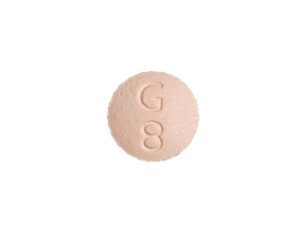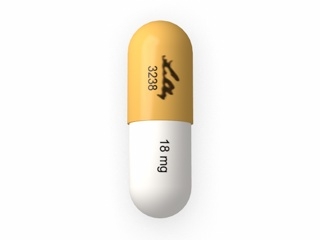

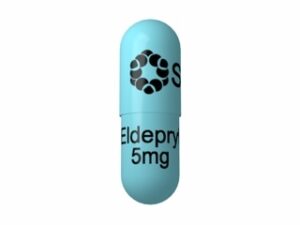
Strattera® (Atomoxetine) — Patient-Friendly Guide (Australia)
Strattera® is a prescription medicine used to treat Attention-Deficit/Hyperactivity Disorder (ADHD). This guide explains how it works, how it’s typically taken, what to expect, and important safety information. Always follow your clinician’s instructions and read the consumer medicine information (CMI) provided with your medicine.
Quick Product Information
| Feature | Details |
|---|---|
| Medicine name | Strattera® |
| Active ingredient | Atomoxetine |
| Medicine type | Non-stimulant ADHD medicine (selective norepinephrine reuptake inhibitor) |
| How it’s taken | Oral capsules |
| Common schedule | Once daily or divided twice daily (varies by patient and dose) |
| Key benefit | Helps improve attention, impulsivity, and hyperactivity |
| Onset | May begin within days; full benefits often take several weeks |
What Is ADHD and How Does Strattera Help?
ADHD is a condition that can affect attention, impulse control, and activity level. Symptoms may be present in childhood and often continue into adulthood for many people. Strattera helps by improving certain brain chemical pathways involved in attention and behaviour regulation.
Mechanism of Action (How Strattera Works)
Atomoxetine is a selective norepinephrine reuptake inhibitor. In simple terms:
- It increases the activity of norepinephrine in the brain.
- Norepinephrine helps support attention, focus, and impulse regulation.
- Because it is non-stimulant, it generally does not produce the same immediate “rush” effects as some stimulant medicines.
Important: Everyone responds differently. Your clinician may adjust the dose over time to balance benefit and side effects.
Pharmacokinetics (Absorption, Distribution, Metabolism, and Elimination)
Absorption
After oral dosing, atomoxetine is absorbed from the gastrointestinal tract. It reaches peak blood levels typically within several hours (often around 1–2 hours, though individual timing can vary).
Distribution
Atomoxetine distributes throughout the body and crosses into the brain where it influences norepinephrine pathways.
Metabolism
Atomoxetine is mainly metabolised by the liver enzyme system, especially CYP2D6. People can differ genetically in how quickly they metabolise the medicine, which can affect drug levels.
- “Poor metabolisers” may have higher blood levels for the same dose.
- “Extensive/ultra-rapid metabolisers” may clear the medicine faster, potentially requiring closer dose adjustment.
Elimination
Atomoxetine is cleared mainly through metabolism and excreted in urine and partly via faeces. The half-life is often longer in poor metabolisers, meaning effects can last longer and dose intervals may require careful planning.
Typical Use
Strattera is used to treat:
- ADHD in children, adolescents, and adults.
It may be considered when a non-stimulant option is preferred, when stimulant medicines are not suitable, or when a different approach is needed based on your overall health and symptom pattern.
When to Take Strattera (Timing and Routine)
The dosing schedule depends on your prescribed regimen and how your body responds.
Common timing
- Once daily: often taken in the morning or early day to reduce the chance of sleep disturbance.
- Twice daily: doses are usually spaced during the day to cover symptom control.
Consistency matters
Try to take Strattera at the same times each day. If you miss a dose, follow the advice in your CMI or seek guidance from your pharmacist/clinician. In general, you should avoid taking a double dose to make up for a missed one unless advised.
Food Interactions: Does It Need to Be Taken With Meals?
Strattera can generally be taken with or without food. Food may slightly affect absorption for some people, but it usually does not eliminate the medicine’s effectiveness.
- If taking it on an empty stomach makes you feel nauseous, try taking it with food (if permitted for your specific situation).
- Pick a routine you can maintain and discuss changes with your clinician if side effects occur.
Alcohol and Strattera: What to Expect
There is no “safe” amount of alcohol that can be universally recommended for everyone taking atomoxetine. Alcohol can worsen common side effects such as:
- Dizziness or light-headedness
- Drowsiness or impaired concentration
- Sleep disturbance
- Stomach upset
If you drink alcohol, consider:
- Start low and monitor how you feel.
- Avoid binge drinking.
- Seek medical advice if you have liver problems, significant mood symptoms, or a history of substance-related difficulties.
Medicine Interactions (Including Common Ones)
Atomoxetine can interact with other medicines, altering blood levels or increasing side effect risk. Tell your pharmacist or clinician about:
- All prescription medicines
- Over-the-counter medicines (including cold/flu preparations)
- Herbal products and supplements
- Any previous reactions to ADHD medicines
Key interaction considerations
1) CYP2D6 inhibitors (important)
Because atomoxetine is metabolised by CYP2D6, medicines that inhibit this enzyme may increase atomoxetine levels and side effects. Examples that may be relevant (not exhaustive):
- Some antidepressants and antipsychotics
- Some antiarrhythmics
- Some other medicines that affect liver enzymes
Your pharmacist can check your specific medicines for interaction risk.
2) Medicines affecting blood pressure or heart rate
Strattera can influence heart rate and blood pressure in some people. If you take medicines for hypertension, heart conditions, or stimulants, your clinician may need to monitor you more closely.
3) Mood and mental health medicines
ADHD medicines can interact with treatment for anxiety, depression, or other conditions. If you notice mood changes, agitation, or worsening depression, seek prompt advice.
4) Other ADHD medicines
Some people use atomoxetine alone; others may have a combined plan. Combination strategies should only be undertaken under clinical guidance.
Indications (When Strattera Is Used)
Strattera is indicated for the treatment of ADHD symptoms. It can help reduce:
- Inattention (e.g., distractibility, difficulty sustaining focus)
- Impulsivity
- Hyperactivity (e.g., restlessness)
It is not used to treat general behavioural problems without ADHD. Diagnosis should be made by a qualified clinician based on symptoms, history, and appropriate assessment.
Dosing: How Much Strattera Is Usually Taken?
Dose is individualised based on age, body weight (for children and adolescents), response, and tolerability. Your clinician will specify your exact dose and titration schedule.
General dosing principles
- Start low and increase gradually to reduce side effects.
- Adjust dose based on improvement and tolerability.
- Review regularly (especially in the first few months) to check effectiveness and safety.
Children and adolescents
In many cases, dosing is weight-based and titrated over time. If you’re using Strattera for a child, it’s especially important to keep follow-up appointments and track changes in school behaviour and sleep.
Adults
Adults often start on a lower dose and titrate to a target dose range. Some adults respond well at lower doses; others may need higher doses within their clinician’s recommended guidance.
Note: The exact mg strength and schedule should follow your prescription and the CMI. Do not change the dose without clinical advice.
How Long Until It Works?
Strattera is not usually an “instant” fix. Many people notice some improvement within the first couple of weeks, but full benefit often takes several weeks.
- Early phase: you may notice improved control of impulsivity or restlessness.
- Ongoing phase: attention and organisation may continue to improve as your dose stabilises.
- Review: clinicians often assess progress periodically and adjust dose if needed.
If there is little or no response after an adequate trial, your clinician may reconsider the treatment plan.
Safety Profile: Common and Serious Side Effects
Like all medicines, Strattera can cause side effects. Many are mild and improve with time, but some require urgent attention.
Common side effects
- Nausea, vomiting, or stomach upset
- Decreased appetite
- Dizziness
- Dry mouth
- Headache
- Sleep disturbance (insomnia or, less commonly, sleepiness)
- Fatigue
- Increased sweating
Blood pressure and heart rate changes
Strattera may affect blood pressure and heart rate. This is why clinicians may check:
- Baseline cardiovascular history
- Ongoing blood pressure and pulse
Serious side effects (seek urgent medical help)
Get urgent medical assistance if you experience symptoms such as:
- Signs of liver problems: yellowing of skin/eyes (jaundice), dark urine, severe fatigue, abdominal pain
- Allergic reactions: swelling of face/lips, difficulty breathing, widespread rash
- Severe mood or behaviour changes: agitation, unusual behaviour, or worsening depression
- Fainting or chest pain with significant palpitations
Suicidal thoughts warning
Some medicines used to treat behavioural and mental health conditions carry a warning about possible increases in suicidal thoughts or behaviours, especially early in treatment or after dose changes. If you (or your child) experience such thoughts, seek immediate professional help.
Practical Use Tips (Making Treatment Work in Real Life)
Start-up routine
- Use a daily reminder (phone alarm or pill organiser).
- Track side effects and symptom changes in a simple log (sleep, appetite, mood, school/work feedback).
- Plan for a gradual ramp-up period rather than expecting immediate full symptom control.
Manage common side effects
- Nausea: taking with food may help. Smaller meals and hydration can also assist.
- Sleep issues: take the dose earlier in the day if advised, and limit late-day caffeine.
- Decreased appetite: choose nutrient-dense foods, especially breakfast and early meals. Monitor growth in children.
- Dry mouth: sip water regularly, chew sugar-free gum, and practise good oral hygiene.
Monitor blood pressure and pulse
Your clinician may arrange check-ups to ensure the medicine is safe for your heart and circulation. If you notice persistent dizziness, fainting, or significant palpitations, contact a healthcare professional.
Do not stop suddenly (unless advised)
If you need to discontinue Strattera, your clinician will guide you. Stopping without guidance may worsen ADHD symptoms or cause discomfort.
Alternative Options for ADHD (Non-Exhaustive)
ADHD treatment is individual. Depending on your needs, there are alternative medication and non-medication strategies.
Other medication options
- Stimulant medicines (commonly used, with faster onset for many people)
- Other non-stimulant options (your clinician may discuss choices based on your history and side effect profile)
- Combination strategies in select cases (requires close monitoring)
Non-medicinal strategies
- Behavioural therapy and parent/carer training (children and teens)
- Educational support and routine planning
- Sleep optimisation and exercise
- Organisational coaching and practical coping tools
Many people benefit most from combining medication with tailored supports.
Strattera in Australia: Market, Prescribing and Legal Context
In Australia, medicines such as Strattera are regulated under the Australian regulatory framework. ADHD medicines may have specific prescribing requirements and are supplied through appropriate channels based on current rules and your local healthcare system.
Availability: Atomoxetine-containing products may be available through pharmacies and legitimate supply channels. Availability can vary by strength and supply schedules.
Medicine information: For the most accurate details relevant to your product and strength, refer to the CMI and discuss questions with your pharmacist.
Recent guidance: Clinical guidance for ADHD management can evolve as new evidence and safety information is published. Your clinician and pharmacist can advise based on the most current Australian recommendations and product information.
Delivery and Availability (Online Pharmacy Considerations)
When ordering online in Australia, availability may depend on stock status and the strength/pack size you require. To help ensure a smooth order:
- Check the strength (mg) and formulation before confirming the order.
- Allow time for processing and delivery, especially for less common pack sizes.
- Store medicines at room temperature as directed on the packaging, and keep away from moisture.
- If you’re using multiple strengths over time, confirm you receive the correct items for each stage.
After dispatch, you typically receive tracking information from the pharmacy. If your order is delayed or unavailable, a legitimate pharmacy will usually contact you with options.
FAQ: Strattera (Atomoxetine)
1) Is Strattera a stimulant?
No. Strattera (atomoxetine) is a non-stimulant ADHD medicine. It works differently from many stimulant treatments and usually does not provide immediate effects within hours.
2) How quickly will I feel a difference?
Some people notice changes within days to weeks, but for many, the best results take several weeks after dose stabilisation. Regular follow-up helps confirm whether the dose and timing are right for you.
3) Should I take Strattera in the morning or at night?
Many people take it earlier in the day to minimise insomnia. Others may tolerate evening dosing depending on their response. Follow your clinician’s instructions.
4) Can I take Strattera with food?
Yes—Strattera is generally taken with or without food. If it upsets your stomach, taking it with food may help. Keep your routine consistent.
5) What happens if I miss a dose?
Follow the advice in your CMI or the instruction provided by your pharmacist. Avoid doubling doses unless directed. If you’re unsure, ask your pharmacist for guidance based on your dosing schedule.
6) Does Strattera interact with antidepressants or other mental health medicines?
It can. Because atomoxetine is metabolised by liver enzymes (including CYP2D6), some antidepressants and other medicines may increase atomoxetine levels or increase side effect risk. Always check your medication list with a pharmacist.
7) Can I drink alcohol while taking Strattera?
It’s best to use caution. Alcohol can worsen dizziness, drowsiness, sleep issues, and mood symptoms for some people. If you choose to drink, keep it moderate and monitor how you feel.
8) Are there any warning signs I should watch for?
Seek urgent medical help if you develop signs of allergic reaction, severe liver problems (e.g., jaundice), fainting, chest pain, or severe mood changes. If suicidal thoughts emerge or worsen, get immediate help.
9) Will Strattera affect appetite or weight?
Decreased appetite can occur. This can be important in children and adolescents, so growth and nutrition should be monitored. Your clinician may adjust the dose or advise strategies to manage appetite changes.
10) What are the long-term considerations?
Many people use atomoxetine as part of an ongoing treatment plan. Periodic reviews are important to check benefit, side effects, blood pressure/pulse, and whether adjustments are needed.
Final Notes
Strattera (atomoxetine) can be an effective non-stimulant option for ADHD. Success often depends on choosing an appropriate starting dose, taking it consistently, and allowing enough time for benefits to develop. If you experience side effects or have questions about interactions, speak with your pharmacist or clinician promptly.