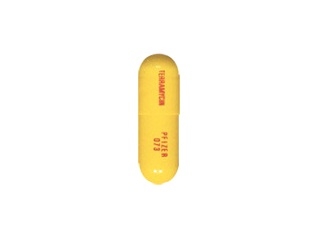


Terramycin® (Oxytetracycline)
Terramycin is a brand of the antibiotic oxytetracycline. It belongs to the tetracycline group of medicines and is used to treat certain bacterial infections. This page provides patient-friendly information about how Terramycin works, what it’s used for, how it’s typically taken, safety considerations, and practical tips for use in Australia.
Quick facts
- Active ingredient: Oxytetracycline
- Medicinal class: Tetracycline antibiotic
- Common forms: Tablets/capsules or suspensions depending on product availability
- What it treats: Selected bacterial infections (depends on the infection and local prescribing guidance)
- Key considerations: Avoid taking with dairy, antacids, iron or magnesium; watch for photosensitivity; use special care in children and during pregnancy
Basic product information
Terramycin contains oxytetracycline, an antibiotic that works against a range of bacteria by interfering with their ability to grow and multiply. The exact strength and formulation (for example, tablet vs liquid) can vary, so always check the pack for your specific product and dose.
In Australia, antibiotic products are regulated medicines and are supplied under national medicines legislation through authorised channels. Availability can vary by brand and formulation.
How Terramycin works (mechanism of action)
Oxytetracycline works by targeting bacterial protein production. Bacteria need to build proteins to grow and reproduce. Oxytetracycline binds to the bacterial ribosome (a component used to assemble proteins), which helps stop bacterial cells from making essential proteins.
This action can be described as bacteriostatic (it slows or stops bacterial growth), although outcomes depend on the organism and concentration achieved in the body.
Pharmacokinetics (absorption, distribution, and elimination)
Understanding how the body handles oxytetracycline can help you take it correctly. In general, the drug is absorbed from the gastrointestinal tract but can be reduced by certain foods and minerals.
Absorption
Oxytetracycline absorption may decrease when taken with substances that bind the drug in the gut. This includes calcium (dairy), magnesium, aluminium (antacids), iron, and some supplements.
Distribution
The medication distributes through the body tissues. Tetracyclines can also bind to calcium-containing tissues, which is one reason they are used with particular caution in children and during pregnancy.
Metabolism and elimination
Oxytetracycline is largely eliminated by the kidneys and can also involve biliary (through the bile) pathways depending on the patient. Dose adjustments may be needed in people with significant kidney impairment, as advised by healthcare professionals.
Typical uses
Terramycin is used for specific bacterial infections where oxytetracycline is appropriate and effective. The exact choice of antibiotic depends on the suspected organism, local resistance patterns, patient factors, and severity.
Common situations where tetracyclines may be considered include:
- Some skin and soft tissue infections caused by susceptible bacteria
- Respiratory infections where oxytetracycline is appropriate based on assessment
- Certain chlamydial infections (depending on recommended regimens and local guidance)
- Selected infections in specific clinical contexts (such as zoonotic or unusual bacterial causes), as directed
Antibiotics do not treat viral illnesses such as the common cold or influenza. If symptoms are not improving, worsen, or do not match bacterial infection, medical advice should be sought.
Indications and treatment considerations
“Indication” refers to why a medicine is used. For oxytetracycline, indications vary by formulation and local clinical guidelines. Always follow the instructions supplied with your specific Terramycin product and the advice of your healthcare professional.
When oxytetracycline may not be suitable
- Allergy or previous serious reaction to tetracyclines
- Major pregnancy considerations (see safety section)
- Young children (tetracyclines can affect teeth and bone development)
- Infections where a different antibiotic is preferred due to resistance or severity
Dosing and timing (general guidance)
Dosing varies by the infection being treated, the formulation, the patient’s age/weight, and kidney function. For that reason, always use the dose on your product label or as directed by your healthcare professional.
Typical timing principles
- Take at consistent times each day to keep drug levels steady.
- Follow meal guidance carefully (see food interactions below).
- Complete the course even if you feel better early, unless advised otherwise.
If you miss a dose, take it as soon as you remember unless it is close to the next dose. In that case, skip the missed dose—do not double up. If you’re unsure, ask a pharmacist.
Food interactions: what to avoid and why
Food can significantly affect how much oxytetracycline your body absorbs. Some nutrients bind to the antibiotic in the gut and reduce its effectiveness.
Common interactions with food
| Food/drink | Potential effect | Practical advice |
|---|---|---|
| Dairy products (milk, yoghurt, cheese) | Calcium can bind tetracyclines | Separate from your dose by several hours (your pharmacist can advise the exact timing) |
| High-mineral supplements | May reduce absorption | Take supplements at a different time than the antibiotic |
| Very large meals or fatty meals | May delay absorption | Follow label directions; if stomach upset occurs, taking with a light meal may help (only if permitted for your product) |
Antacids and mineral-containing products
In addition to dairy, antacids and products containing magnesium, aluminium, iron, or zinc can reduce absorption. This is especially important if you use treatments for reflux, indigestion, or iron supplementation.
A common approach is to space them away from oxytetracycline. Your pharmacist can provide the best interval for your specific situation and formulation.
Alcohol interactions
Moderate alcohol use may not directly “block” tetracyclines the way minerals do, but it can increase the risk of side effects such as stomach upset and dizziness. Alcohol can also affect hydration and liver metabolism.
Practical advice
- It’s safest to limit or avoid alcohol during treatment.
- If you choose to drink, do so sparingly and avoid binge drinking.
- Seek advice if you have liver disease or you experience unusual tiredness, nausea, dark urine, or jaundice.
Medicine interactions (other common medicines)
Several medicines may interact with oxytetracycline, either by affecting absorption or by influencing side effects. Below are common examples; your pharmacist can check your full list of medicines and supplements.
Medicines that may affect absorption
- Antacids containing aluminium or magnesium
- Iron, zinc, or magnesium supplements
- Calcium supplements
- Some medications or powders that contain minerals
Medicines that can influence adverse effects
- Isotretinoin (risk of increased pressure in the skull; this is rare but serious)
- Warfarin and other blood-thinning medicines (tetracyclines may affect clotting status in some patients)
- Oral contraceptives (some antibiotics can affect gut flora; if vomiting/diarrhoea occurs, contraceptive effectiveness may reduce)
- Retinoids and acne treatments (discuss your regimen with a pharmacist)
Always tell your healthcare professional about all medicines you take, including “over-the-counter” products, vitamins, herbal supplements, and antacids.
Safety profile and side effects
Like all medicines, Terramycin can cause side effects. Many people experience none or only mild effects. The following is a patient-friendly overview; consult your product leaflet for full details.
Common side effects
- Stomach upset, nausea, abdominal discomfort
- Diarrhoea
- Headache
- Vaginal or oral thrush (due to changes in normal flora)
Serious side effects—get urgent help
Stop taking the medicine and seek urgent medical advice if you experience:
- Signs of an allergic reaction: swelling of face/lips, difficulty breathing, widespread hives
- Severe or persistent diarrhoea, especially with fever or blood/mucus (may indicate severe bowel inflammation)
- Severe rash or blistering
- Yellowing of the skin/eyes (jaundice) or dark urine
- Severe dizziness, vision changes, or severe headache (rare but may indicate raised intracranial pressure)
- Tooth discolouration concerns are mainly a risk in children during tooth development (see below)
Photosensitivity (sun sensitivity)
Tetracyclines can make the skin more sensitive to sunlight, leading to faster sunburn. Use sun protection during treatment and for a short time after.
- Wear protective clothing and sunglasses
- Use broad-spectrum sunscreen
- Avoid long sun exposure or tanning beds
Special populations
- Pregnancy: Tetracyclines are generally avoided during pregnancy due to potential effects on developing teeth and bones. Discuss any antibiotic use promptly with a healthcare professional.
- Breastfeeding: Tetracyclines may be used with caution depending on circumstances. Individual advice is important.
- Children: Oxytetracycline is usually avoided in young children unless specifically indicated, due to risks to teeth development. Dose selection and safety must be assessed carefully.
- Kidney impairment: Dose adjustments may be required; ask your pharmacist/doctor if you have kidney disease.
Practical use tips (to maximise effectiveness and reduce side effects)
- Take as directed: Use the label instructions and your course schedule.
- Separate from minerals: Avoid dairy and mineral-containing products around your dose.
- Hydrate: Drink water, especially if you experience stomach upset.
- Manage nausea: If your product instructions allow taking with food, a small meal may help; otherwise follow label guidance.
- Protect your skin from the sun: Photosensitivity can happen even with short exposure.
- Complete the course: Stopping early can lead to treatment failure and increased resistance.
- Track symptoms: If symptoms worsen after 48–72 hours or do not improve, consult a healthcare professional.
What to expect during treatment
Some people start to feel better within a couple of days, but others may need longer depending on the infection site and severity. If there is no improvement, or if new symptoms appear (especially rash, severe diarrhoea, or breathing difficulty), seek advice promptly.
Alternative options
Antibiotic choice depends on the suspected bacteria, allergies, infection location, local resistance, pregnancy considerations, and other medications. Alternatives to oxytetracycline may include other antibiotic classes used for similar conditions, such as:
- Macrolides (e.g., for certain respiratory infections)
- Penicillins or cephalosporins (for susceptible bacteria)
- Other tetracyclines (such as doxycycline or minocycline) in some indications
- Different agents where resistance or severity requires another option
Only a healthcare professional can determine the most appropriate alternative for your specific infection and medical history. If you’re considering switching, ask before stopping oxytetracycline.
Market and legal context for Australia
In Australia, antibiotic medicines are subject to medicines scheduling and regulatory requirements designed to support safe and effective use. Access may vary by formulation and regulatory status. Online pharmacy supply is generally limited to authorised suppliers and compliant distribution channels.
Antibiotics should be used responsibly to help reduce antimicrobial resistance. Current best practice emphasises choosing antibiotics carefully, using them for the right duration, and avoiding unnecessary use.
Recent guidance and stewardship (general context)
In Australia, antimicrobial stewardship messages commonly include:
- Use antibiotics only when there is evidence or strong suspicion of a bacterial infection.
- Consider local resistance patterns and individual patient factors.
- Review treatment if there is no improvement.
- Use the narrowest effective antibiotic for the shortest effective duration.
This medicine information page supports safe use and helps you understand key interactions and warning signs. If your symptoms do not improve, don’t simply extend antibiotic use without advice.
Delivery and availability (Australia)
Availability of Terramycin may vary across online and in-store pharmacies, depending on supply and the specific product strength/form. Delivery timeframes depend on your location and the pharmacy’s dispatch schedule.
- Check stock status on the product page when ordering.
- Allow time for dispatch and any processing steps required by supplier policies.
- Consider storage needs: store tablets/capsules in a cool, dry place as indicated on the pack.
- Keep the original packaging so you can verify expiry dates and instructions.
Frequently asked questions (FAQ)
1. What is Terramycin used for?
Terramycin (oxytetracycline) is an antibiotic used for certain bacterial infections. The exact suitability depends on the infection, the bacteria involved, and your individual health factors.
2. How long does it take to work?
Some improvement may be seen within 48–72 hours, but this varies by infection type and severity. If you’re not improving after a few days, contact a healthcare professional for reassessment.
3. Can I take Terramycin with milk?
It’s generally best to avoid dairy around your dose because calcium can reduce absorption. If your product instructions allow taking with food, you can often manage stomach upset with a suitable option—but still avoid dairy/mineral timing conflicts. Ask a pharmacist for timing advice for your specific product.
4. What if I miss a dose?
Take it as soon as you remember unless it’s near your next dose. Do not take a double dose to make up for the missed one. If unsure, ask a pharmacist.
5. Are there foods or drinks I should avoid?
Avoid dairy products close to dosing and be cautious with mineral supplements. Also check whether your product instructions advise taking with or without food.
6. Can I drink alcohol while taking Terramycin?
For the safest approach, limit or avoid alcohol during treatment. Alcohol may worsen stomach upset and can increase risk of side effects. If you drink, do so sparingly and stop if you feel unwell.
7. What medicines interact with oxytetracycline?
Key interaction groups include antacids and supplements containing aluminium, magnesium, iron, zinc, or calcium. Other medicines may interact depending on your medical history (for example, anticoagulants or acne-related retinoids). Share your full medication list with a pharmacist.
8. What are the most important side effects to watch for?
Watch for severe rash, breathing difficulty (allergy), persistent/worsening diarrhoea, severe headache or vision changes, and signs of liver problems (yellow skin/eyes, dark urine). Seek urgent care if these occur.
9. Can Terramycin be used in children?
Tetracyclines can affect tooth and bone development in young children. Use in children requires careful assessment by a healthcare professional and strict adherence to guidance.
10. What should I do if I get sunburn easily?
Photosensitivity can occur. Avoid strong sun exposure, wear protective clothing, and use sunscreen. If you develop a significant rash, seek medical advice.
11. Is Terramycin suitable for pregnancy or breastfeeding?
Tetracyclines are generally avoided in pregnancy due to potential risks to the developing foetus. Breastfeeding use depends on circumstances and should be discussed with a healthcare professional.
12. If my infection improves, can I stop early?
It’s important to complete the recommended course to reduce the risk of relapse and antibiotic resistance. Do not stop early unless advised by a healthcare professional.
Important note
This information is intended to help you understand Terramycin (oxytetracycline) in general terms and to highlight common interaction and safety considerations. For advice tailored to you—especially regarding dosing, timing, other medicines you take, and whether it’s suitable for your infection—consult a pharmacist or healthcare professional and follow your product label.