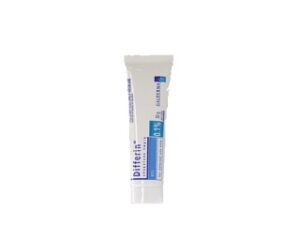
Adapalene (Topical) – Patient Information Guide (Australia)
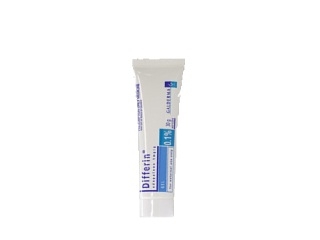
Adapalene is a widely used acne medicine available in topical forms such as gels and creams. It helps improve acne by encouraging normal skin cell turnover and reducing clogged pores. This guide explains how adapalene works, how to use it safely and effectively, what to expect in the first weeks, and important safety considerations for people in Australia.
Basic product information
- Active ingredient: Adapalene
- How it’s used: Applied to the skin (topical)
- Common strengths: Often available as 0.1% gel/cream formulations in many markets; availability and formulations may vary by brand and pharmacy
- Therapeutic category: Topical retinoid (a vitamin A–related medication)
- Typical skin areas: Face, and sometimes chest or back (only where acne occurs)
- What it targets: Blackheads, whiteheads, and inflamed acne lesions
Important note: Product brands, vehicle (gel vs cream), and strength can differ. Always follow the specific directions on the label or provided by your pharmacist.
How adapalene works (mechanism of action)
Adapalene belongs to the topical retinoid group. It works mainly at the level of the hair follicle and pore:
- Normalises skin cell turnover: It helps prevent excessive buildup of dead skin cells inside pores.
- Reduces comedones: By preventing pore clogging, it helps treat and prevent blackheads and whiteheads.
- Anti-inflammatory action: Adapalene can calm inflammation associated with acne, helping reduce redness and swelling of pimples.
- Supports long-term control: Acne is often chronic; consistent use helps maintain clearer skin over time.
Pharmacokinetics (how the medicine behaves in the body)
Because adapalene is used on the skin, most of the medicine acts locally. Key points include:
- Absorption: Only a small amount is absorbed through intact skin.
- Distribution: The drug primarily stays in the skin layers where it’s applied.
- Metabolism: Any absorbed portion is metabolised by the body.
- Elimination: Metabolites are removed from the body primarily via normal body elimination pathways.
Clinical takeaway: For most users, systemic exposure is low, but skin irritation is still possible because the medication is active locally on skin.
Typical use and timing
What it’s used for
Adapalene is commonly used for acne vulgaris, particularly:
- Comedonal acne: blackheads and whiteheads
- Inflammatory acne: red bumps and pimples
- Mixed acne: a combination of comedones and inflammatory lesions
When to apply
- Most commonly: once daily, usually at night
- Start gently: if you’re sensitive, use less frequently at first (for example, every second night) and then increase as tolerated
- Consistency matters: acne improvement tends to build gradually
How long until results?
Many people notice changes in 4–8 weeks, but fuller results may take 8–12 weeks or longer. Early irritation or a temporary “acne settling” period can occur as clogged pores clear.
Indications (who it’s for)
Adapalene is indicated for the treatment of acne. It may be suitable for:
- Adolescents and adults with mild to moderate acne (depending on product guidance and clinician advice where applicable)
- People looking for a pore-clearing medication for blackheads and whiteheads
- Those who can tolerate gradual skin adjustment (because irritation is possible at the start)
Not for: Use only on acne-affected areas. Avoid applying to eyes, lips, and inner nose. Do not use on broken or severely inflamed skin unless directed by a health professional.
Dosing and practical application
Typical adult dosing (topical)
In most acne regimens:
- Frequency: once daily (often at night)
- Amount: a thin layer (commonly “pea-sized” for the whole face—exact amount varies by product and coverage)
- Application: apply to clean, dry skin
Step-by-step how to apply adapalene
- Cleanse: Use a gentle cleanser. Pat skin dry.
- Wait briefly if needed: If skin is damp or freshly washed, wait until fully dry to reduce irritation.
- Apply thinly: Spread a small amount over affected areas (not just individual spots), avoiding the corners of the nose, lips, and eyelids.
- Wash hands: After application, wash your hands.
- Moisturise if needed: A moisturiser can reduce dryness and peeling. Apply moisturiser after adapalene if tolerated (or use a “sandwich” method—see below).
- Use sunscreen in daytime: Daytime sun protection is important to reduce irritation and protect skin health.
“Sandwich” method (helpful for sensitive skin)
If you’re experiencing dryness or stinging:
- Apply moisturiser → wait a few minutes
- Apply a thin layer of adapalene
- Apply a second moisturiser after it settles
Missed dose
If you forget a dose, apply it when you remember unless it’s close to the next dose. Do not double up.
Food interactions
No direct food interactions are expected with topical adapalene because absorption into the bloodstream is typically low. However, good skin health can be supported by an overall balanced diet.
If you notice diet-related flare patterns (some people find high glycaemic foods can worsen acne), you may discuss personalised strategies with a healthcare professional.
Alcohol and medicine interactions
Topical adapalene does not usually have a direct interaction with alcohol because it is applied to the skin. Still, consider the following:
- Avoid putting adapalene on irritated or freshly shaved skin (alcohol-containing aftershaves may sting and worsen irritation).
- Be cautious with alcohol-based skincare products: Toners or astringents containing alcohol can increase dryness and irritation when used alongside adapalene.
- Skin barrier matters: If skin becomes very dry, stinging or redness may worsen—reduce frequency or add moisturiser as tolerated.
Safety profile and side effects
Adapalene is generally well tolerated when used correctly, but skin irritation is the most common issue. Familiarising yourself with expected effects can help you use it safely.
Common side effects
- Dryness and flaking
- Redness (erythema)
- Stinging or burning sensation
- Skin peeling
- Itching
- Temporary worsening of acne early in treatment (less common, but can occur)
Less common but important warnings
- Severe irritation or swelling
- Allergic-type reactions such as rash beyond the application site
- Intense burning after application that persists
- Eye or lip irritation if accidentally applied to those areas
When to seek urgent help
Seek medical advice promptly if you develop signs of a serious allergic reaction (such as facial swelling, widespread hives, difficulty breathing) or severe skin reactions.
Skin care during adapalene use
- Use a gentle, fragrance-free cleanser
- Use non-comedogenic moisturisers (look for “non-comedogenic” or “won’t clog pores”)
- Avoid harsh exfoliants, scrubs, and strong acids initially
Practical use tips for best results
Start low, go slow
If you’re new to retinoids, consider:
- Begin with every second night for 1–2 weeks
- Then increase to once nightly if irritation is manageable
Use the right amount
More is not better. A thin layer over affected areas is more effective and usually less irritating.
Don’t combine immediately with multiple irritants
If you also use other acne products (for example, benzoyl peroxide or salicylic acid), consider introducing them one at a time. This reduces the risk of excess irritation and makes it easier to identify what suits your skin.
Moisturise strategically
A moisturiser can improve comfort and adherence. If you experience dryness, moisturise more frequently.
Sun protection is essential
- Use a broad-spectrum sunscreen in the morning
- Wear hats or seek shade when possible
While adapalene itself is generally used at night, sun protection supports skin healing and reduces the risk of ongoing irritation.
Food, skincare, and medicine interactions (besides alcohol)
Adapalene interactions are mostly about skin irritation risk rather than direct drug metabolism interactions. Consider caution with:
- Other topical irritants: strong exfoliants, harsh scrubs, alcohol-based products, waxing or depilatories on the same area
- Strong acne actives: products containing high-strength acids or multiple keratolytics may increase dryness
- Topical medicines on the same area: ask a pharmacist for advice if you’re using other acne treatments
If you use other medications on your skin, it’s wise to check ingredient labels and confirm compatibility with a pharmacist.
Alternative options for acne (if adapalene isn’t suitable)
Acne treatment is personalised. If adapalene isn’t suitable due to irritation, preference, or insufficient response, alternatives may include:
- Benzoyl peroxide: Helps kill acne-causing bacteria and reduce inflammation; can be drying and may bleach fabrics.
- Salicylic acid (beta-hydroxy acid): Helps unclog pores; often used in leave-on or wash-off products.
- Topical antibiotics (where appropriate): Used under medical guidance in certain cases.
- Azelaic acid: Can help with acne and post-acne marks; generally gentler for some people.
- Oral treatments (for more severe acne): Usually require clinician evaluation.
For best outcomes, many acne regimens involve a combination approach (for example, an adapalene-based routine plus benzoyl peroxide), but introducing products gradually can improve tolerance.
Adapalene and acne marks (post-acne pigmentation)
After acne lesions heal, some people develop lingering marks such as redness (erythema) or darker spots (hyperpigmentation). Adapalene may help prevent new lesions and supports skin turnover, which can gradually improve the appearance of some marks over time.
However, sun exposure can worsen dark marks, so sunscreen and gentle skincare are especially important.
Market and legal context in Australia (general guidance)
In Australia, availability of topical acne treatments varies by formulation and strength. Some products containing adapalene may be supplied via pharmacies and may have differing status depending on the specific product and concentration. Always check the packaging and the pharmacy listing for product specifics.
Key compliance points:
- Use only products labelled for the intended indication (acne).
- Follow dosing instructions on the package or pharmacy guidance.
- Do not share your medication with others.
Regulatory requirements may affect how products are presented and supplied. Your local pharmacy can confirm the exact status of the product you’re purchasing.
Recent guidance and practical updates
While acne treatment guidance evolves over time, patient-facing recommendations commonly emphasise:
- Gradual introduction of topical retinoids to reduce irritation
- Sunscreen use to protect healing skin and reduce hyperpigmentation
- Gentle skincare and avoidance of harsh exfoliation during early treatment
- Time to effect, with improvement often starting after 4–8 weeks
If you’re not improving after an adequate trial period or you’re experiencing significant irritation, seek advice from a healthcare professional or pharmacist for regimen adjustments.
Delivery and availability (online pharmacy)
Adapalene products are typically available through Australian pharmacy services and may include home delivery options depending on your location and the pharmacy’s delivery coverage. Availability can depend on:
- Product brand and vehicle (gel vs cream)
- Strength and pack size
- Current stock levels
What to check before ordering:
- Ensure the product strength and form match what you need (for example, gel for oily skin may feel different from cream)
- Confirm expiry date and storage conditions (usually “store below” temperatures as labelled)
- Read product instructions thoroughly so you know how often to apply
Safety considerations (important precautions)
Pregnancy and breastfeeding
Topical retinoids require careful consideration during pregnancy and breastfeeding. If you are pregnant, trying to become pregnant, or breastfeeding, discuss suitability with a healthcare professional before using adapalene.
Skin conditions and sensitivity
- Extra caution is needed if you have eczema, very sensitive skin, or a compromised skin barrier.
- Stop and seek advice if severe irritation occurs.
Weather and environmental factors
- Cold, dry weather may worsen dryness—use moisturiser more frequently.
- Wind and sun exposure can increase irritation—protect with moisturiser and sunscreen.
Applying with shaving or hair removal
- Avoid applying adapalene immediately after shaving or hair removal due to irritation risk.
- Wait until the skin is calm and unbroken.
Adapalene FAQ
1) How do I know how much adapalene to use?
Use a thin layer over the affected area. For the whole face, many people find a “pea-sized” amount is sufficient, but the ideal amount can vary. More product does not necessarily give better results and may increase irritation.
2) Can I use adapalene on my whole face even if only some areas have acne?
Often yes—acne affects pores more widely than visible bumps suggest. However, avoid eyes, lips, and irritated skin. If you’re very sensitive, start by applying only to acne-prone areas.
3) Will my acne get worse at the beginning?
Some people experience mild worsening or increased dryness early on. This can happen as clogged pores begin to clear. If irritation becomes severe, reduce frequency and moisturise. Persistent lack of improvement after 8–12 weeks should be reviewed with a pharmacist or clinician.
4) Can I use moisturiser with adapalene?
Yes. Moisturiser can improve comfort and help reduce peeling. If your skin is reactive, consider moisturising before and after adapalene (“sandwich” method).
5) What if adapalene stings?
Stinging may occur early, especially if skin is dry. Ensure skin is fully dry before applying, use a thinner layer, and reduce frequency (for example, every second night). Avoid combining with other harsh or alcohol-based products.
6) Can I use sunscreen?
Yes—and it’s recommended. Sunscreen helps protect the skin barrier and reduces the risk of post-acne marks becoming darker.
7) Can I combine adapalene with benzoyl peroxide?
Many acne regimens combine them, but tolerance varies. If you combine products, introduce changes gradually and consider spacing applications if irritation occurs. A pharmacist can advise on a compatible routine.
8) Is it okay to drink alcohol while using adapalene?
There’s typically no direct interaction with topical adapalene. However, alcohol-containing skincare products may increase irritation, and overall hydration and sleep can affect skin recovery.
9) How long should I keep using it?
Acne tends to recur when treatment stops. Many people continue adapalene for maintenance once skin is controlled. If you plan to stop, tapering frequency may reduce flare risk—ask your pharmacist for personalised advice.
10) What should I do if I accidentally get adapalene in my eyes?
Rinse thoroughly with water and avoid further application until irritation settles. Seek medical advice if eye irritation persists.
Summary
Adapalene is a topical retinoid used to treat acne by improving pore turnover, reducing clogged follicles, and calming inflammation. With consistent nightly use (often starting slowly), many people see gradual improvement within 4–8 weeks, with fuller results by 8–12 weeks. The most common challenge is irritation—this can usually be managed with gentle cleansing, moisturising, gradual frequency changes, and daily sunscreen.
If you have concerns about side effects, compatibility with other acne products, or suitability for your personal circumstances, speak with your pharmacist in Australia for tailored guidance.
Always read the product label and follow the directions provided by your pharmacy.