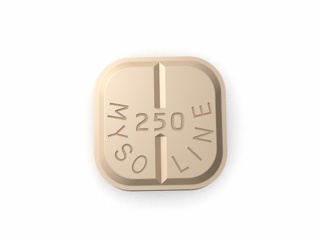


Mysoline (Primidone) — Patient Information
Mysoline contains primidone, a medicine used to help control certain types of seizures and, in some cases, tremor. This guide explains how Mysoline works, how the body processes it, typical uses and timing, key safety information, and practical tips for everyday use in Australia.
At a glance
- Active ingredient: Primidone
- Common uses: Epilepsy (seizures); sometimes essential tremor in selected patients
- How it works: Calms overactive nerve activity in the brain
- How it’s taken: Usually by mouth, in divided doses; dose adjustments are common
- Important considerations: Can cause drowsiness, dizziness, and coordination problems (especially when starting or increasing dose)
Basic product information
| Category | Details |
|---|---|
| Medicine name | Mysoline (primidone) |
| Drug class | Antiseizure medicine (antiepileptic); also used for tremor in some patients |
| Form | Oral tablets (strengths may vary by product packaging) |
| Typical schedule | Once to several times daily depending on the individual plan |
| Onset of benefit | May take days to weeks; dose titration can affect timing |
| Storage | Follow the label instructions; keep out of reach of children |
Product availability and strengths can vary. For the most accurate details, check the pack you receive and any guidance provided by your pharmacist.
How Mysoline (primidone) works (mechanism of action)
Mysoline helps control abnormal electrical activity in the brain. Primidone is converted in the body to other compounds, including phenobarbital, which contribute to its effects. In broad terms, primidone:
- Reduces neuron “excitability”—making it less likely that seizure activity will spread
- Enhances inhibitory signalling in the nervous system
- Supports stabilisation of brain circuits involved in seizure control
Because of this action, Mysoline is useful for maintaining seizure control over time. It may also help reduce some types of tremor.
Pharmacokinetics: how the body processes primidone
Pharmacokinetics describes what the body does to a medicine: absorption, metabolism, and elimination. While individual results vary, the following points help explain typical patterns seen by patients.
- Absorption: Primidone is taken by mouth and absorbed through the gastrointestinal tract.
- Metabolism: Primidone is metabolised in the body, including conversion to phenobarbital.
- Peak effect: Clinical effects depend not only on blood levels but also on dose titration and nervous system adaptation.
- Half-life and duration: The medicine and its metabolites can persist for a long time, which is why steady daily dosing matters.
- Elimination: Primidone metabolites are eliminated mainly by the kidneys (urine), so kidney function can influence clearance in some patients.
Your clinician may adjust dosing based on seizure control, side effects, and (in some cases) blood test results.
Typical uses and indications
In Australia, Mysoline is used for conditions where reducing abnormal electrical activity or tremor symptoms is beneficial. Common indications include:
- Epilepsy (seizures): Primidone can be used as part of seizure management strategies, including certain seizure types depending on the patient’s diagnosis.
- Essential tremor: In some people, primidone may be used to reduce tremor severity when appropriate.
Use may be individualised based on your seizure type, age, other medicines, and overall health. If you’re unsure whether Mysoline is suitable for your specific condition, ask a pharmacist.
When to take Mysoline (timing and routine)
Mysoline is usually taken in divided doses throughout the day to improve tolerability and help maintain steady effects. Many patients start with a lower dose and increase gradually.
Starting and titration
- Start low: The first days/weeks commonly include adjustments because side effects can occur early.
- Increase slowly: Dose changes are often gradual to help the body adapt.
- Consistency matters: Try to take doses at similar times each day.
Missed dose guidance (general advice)
If you miss a dose, take it as soon as you remember unless it is close to your next dose. Do not take double doses to “catch up.” If you’re unsure, consult your pharmacist for personalised advice.
Dosing: what patients should know
Dosing varies widely. Your exact regimen depends on your condition, age, other medicines, and how well you tolerate the drug. Below is patient-friendly information about how dosing is often handled.
General dosing principles
- Individualised: Some people need multiple daily doses; others may have a different schedule.
- Gradual titration: Commonly used to reduce early side effects such as sleepiness or dizziness.
- Therapeutic monitoring (sometimes): Clinicians may use blood tests or symptom tracking in certain situations.
Examples of titration patterns (illustrative)
Many regimens begin with a small daily amount and increase stepwise over weeks. The specific increments and target dose are decided by your prescriber based on your response. Because schedules vary, avoid adjusting your dose without advice.
Special populations
- Older adults: May be more sensitive to drowsiness, falls, or coordination problems.
- Kidney or liver concerns: Dose adjustments may be necessary; discuss your medical history.
- Children: Dosing is weight and condition dependent and should be managed carefully.
Food interactions and taking with meals
Primidone can be taken with or without food. However, some patients find it easier to tolerate when taken with meals or just after eating. If you experience nausea or stomach upset, taking it with food may help.
- Meals: Food may reduce gastrointestinal discomfort for some people.
- Consistency: Try to keep a consistent routine (e.g., always with breakfast and dinner) unless advised otherwise.
- Grapefruit and similar products: There is no specific “grapefruit rule” commonly highlighted for primidone, but metabolism can involve liver pathways affected by other medicines—so check interactions with a pharmacist.
If you have dietary restrictions or take supplements, ask a pharmacist to review potential interactions.
Alcohol and medicine interactions
Alcohol can increase the sedating effects of primidone. Combining them may raise the risk of excess drowsiness, impaired coordination, falls, and in severe cases breathing-related risk.
Alcohol
- General advice: It’s usually recommended to avoid alcohol or keep it to an absolute minimum while taking Mysoline.
- Special risk: Early in treatment or after dose increases, sensitivity to sedation may be higher.
Other medicines that may interact
Primidone can interact with a range of medications, and it may also affect the metabolism of other drugs through enzyme effects. Common categories of concern include:
- Other sedatives or sleep medicines (increased sedation)
- Opioid pain medicines (increased risk of drowsiness and respiratory effects)
- Some antidepressants and antipsychotics (may alter sedation or blood levels)
- Anticoagulants (warfarin and others—monitoring may be needed)
- Oral contraceptives (some antiseizure medicines can reduce effectiveness; discuss reliably)
- Antiseizure medicines (combined regimens may increase side effects and require careful adjustment)
This is not an exhaustive list. Always tell your pharmacist and clinician about all medicines you take, including herbal products and over-the-counter items.
Vaccines, antibiotics, and occasional medicines
Many antibiotics and occasional medications can be used with primidone, but interactions depend on the exact medicine. If you’re starting anything new—especially for short courses—ask a pharmacist for an interaction check.
Safety profile and side effects
Like all medicines, Mysoline can cause side effects. Not everyone experiences them, and many improve after the body adapts during dose titration.
Common side effects
- Sleepiness or fatigue
- Dizziness or lightheadedness
- Unsteadiness or coordination problems
- Nausea
- Blurred thinking or slowed reaction time
- Headache
Less common but important risks
- Blood-related effects (e.g., changes in blood counts) in susceptible individuals
- Skin reactions (seek advice promptly if you develop rash or signs of allergy)
- Mood or behavioural changes (report new or worsening depression, agitation, or unusual behaviour)
- Allergic reactions (seek urgent help for swelling of the face/lips, severe rash, or breathing difficulty)
When to seek urgent help
Contact urgent medical services or go to the emergency department if you experience:
- Severe allergic reaction signs (trouble breathing, swelling, widespread rash)
- Fainting, severe confusion, or marked worsening drowsiness
- Uncontrolled or worsening seizures
- Severe skin blistering or peeling
Driving and machinery
Because primidone can cause drowsiness and impaired coordination, avoid driving or operating machinery until you know how it affects you. If you feel sleepy or unsteady, choose safer activities and consider asking your pharmacist about your individual risk.
Practical use tips for day-to-day living
- Be cautious when standing up: Dizziness can occur—stand slowly to reduce the risk of falls.
- Plan around the first weeks: Extra caution is often needed during initiation and dose increases.
- Keep a medication routine: Use a pill organiser and set reminders if helpful.
- Track symptoms: Note changes in seizure frequency, tremor severity, sleepiness, and dizziness to share with your healthcare team.
- Don’t stop suddenly: Abrupt discontinuation can risk loss of seizure control or withdrawal-type effects. If a change is needed, tapering is usually required under medical guidance.
- Hydration and nutrition: If nausea occurs, take with food and maintain hydration.
- Check alcohol tolerance: If sedation is present, avoid alcohol completely.
Alternative options
Treatment choices depend on your diagnosis (seizure type or tremor type), age, health conditions, and other medicines. Your clinician may consider other antiseizure medicines or tremor-specific strategies.
For seizures (examples of alternatives)
- Levetiracetam
- Lamotrigine
- Carbamazepine
- Valproate (where appropriate)
- Oxcarbazepine
- Other options depending on local availability and individual factors
For tremor (examples of alternatives)
- Propranolol (often used for essential tremor)
- Other medication options depending on your response and suitability
Lifestyle strategies may also help tremor in some patients (e.g., reducing stimulants like caffeine if they trigger symptoms). Always review options with a healthcare professional to find the safest and most effective approach for you.
Australia: market and legal context, and recent guidance
In Australia, antiseizure medicines and many neurological medicines are generally regulated under the national medicines scheduling system. Mysoline (primidone) is typically supplied as a prescription medicine in line with Australian requirements (availability and supply rules can vary by product and jurisdiction).
Clinical decisions for seizure management and tremor treatment are guided by up-to-date neurologic and therapeutic standards, including:
- Ongoing review of safety and effectiveness for the individual patient
- Monitoring during dose changes, particularly when side effects appear
- Considering comorbidities and drug interactions (especially with sedatives and anticoagulants)
- Patient education about adherence, driving precautions, and when to seek help
Guidance and best practices can evolve. Your pharmacist can advise on how current recommendations may affect your care.
Delivery and availability in Australia
Online pharmacies in Australia often supply Mysoline where it is available and permitted under applicable regulations. Availability can change due to stock movements and supplier schedules.
- Ordering: Place orders during business hours where possible, and ensure your delivery address is correct.
- Stock checks: Most online pharmacies perform real-time stock checks and may contact you if an item is temporarily unavailable.
- Packaging: Medicines are usually supplied in manufacturer packaging with clear label information.
- Delivery timeframe: Varies by location and courier service; check the delivery estimates at checkout.
If you need Mysoline urgently (for example, to avoid running out before a refill), contact customer service to discuss options.
FAQ: Mysoline (primidone)
1) How long does it take for Mysoline to start working?
Some people notice improvement after starting, but for many patients benefit becomes clearer over days to weeks—especially if the dose is increased gradually. Consistent daily use is important during titration.
2) Can I take Mysoline with food?
Yes, many patients take it with meals to improve comfort. If you experience nausea or stomach upset, taking Mysoline with food may help. Keep your routine consistent unless your pharmacist advises otherwise.
3) Is it safe to drink alcohol?
Alcohol can increase sedation and impair coordination when taken with primidone. In general, it’s best to avoid alcohol or keep it to an absolute minimum. If you feel drowsy, unsteady, or confused, do not drink alcohol.
4) What if I feel very sleepy or dizzy after starting?
Drowsiness and dizziness are common early on or after dose increases. Contact your pharmacist or healthcare professional for advice—your dose may need adjustment. Avoid driving or high-risk activities until you feel stable.
5) Can I stop Mysoline suddenly?
Stopping abruptly is generally not recommended. Sudden discontinuation can worsen seizure control and may cause withdrawal-like effects. If you want to change treatment, speak with your healthcare professional about a safe plan for tapering.
6) Will Mysoline interact with my other medicines?
Primidone can interact with several medicines, including sedatives, certain antidepressants, anticoagulants, and some hormonal contraceptives. Ask your pharmacist to review your full list of medicines and supplements.
7) Do I need blood tests?
Some patients may undergo blood test monitoring depending on their regimen, response, and side effects. Your clinician will advise what’s appropriate for you.
8) What side effects require urgent attention?
Seek urgent medical care for signs of severe allergy (breathing difficulty, facial swelling), severe rash, fainting, significant confusion, or marked worsening of seizures.
9) Can Mysoline be used in children?
Primidone may be used in paediatric patients for appropriate seizure conditions, but dosing and monitoring are carefully tailored to each child. Discuss with your child’s healthcare team.
10) Are there non-medicine strategies that help seizures or tremor?
For seizures: sleep, stress management, medication adherence, and avoiding triggers (where identified) are important. For tremor: reducing triggers such as caffeine and managing anxiety may help. These do not replace medicine but may complement treatment.
Important reminders
- Take Mysoline exactly as directed: Consistency supports steady effect and helps reduce side effects.
- Plan for safe activities: Be cautious with driving and machinery, especially early in therapy.
- Check interactions: Tell your pharmacist about all medicines, supplements, and herbal products.
- Seek help promptly: If you develop severe drowsiness, rash, allergy symptoms, or seizures worsen.