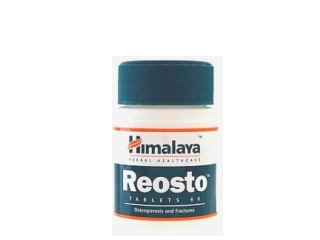

Reosto (Oral) – Patient Guide (Australia)
Reosto is a prescription-only medicine used for the treatment of certain medical conditions in adults. This page provides clear, patient-friendly information about what Reosto is, how it works, how it’s usually taken, and important safety considerations for use in Australia.
Important: Always follow your prescriber’s instructions and the product label. If you have questions about your personal treatment, speak with your doctor or pharmacist.
Quick Product Facts
- Medicine name: Reosto
- Where to find it: Available via authorised pharmacies in Australia
- Who it’s for: Adults, depending on the specific condition and clinical plan
- Common forms: Oral dosage forms (follow your specific product packaging for strength)
- Key use: Helps treat selected conditions as determined by your healthcare professional
Note: Reosto may be available in different strengths or formulations. Always confirm the strength you have before taking your dose.
How Reosto Works (Mechanism of Action)
Reosto works by targeting specific biological pathways involved in your condition. While the exact clinical effect depends on the reason you’re taking it, medicines in this category generally work by:
- Improving the underlying process that drives symptoms
- Supporting more stable body function so symptoms are less frequent or less severe
- Reducing abnormal activity in the relevant system (as determined by your diagnosis)
Your pharmacist can explain how Reosto is expected to help in your situation, including what improvements you should notice and when.
Pharmacokinetics (Absorption, Distribution, Metabolism, Elimination)
Pharmacokinetics describes what the body does to the medicine. While individual results may vary, typical patterns include:
- Absorption: Reosto is absorbed through the gastrointestinal tract after oral administration. The degree and rate of absorption may be influenced by food and timing.
- Distribution: After absorption, the active ingredient distributes through the bloodstream to target tissues.
- Metabolism: The medicine is processed mainly by hepatic (liver) pathways. Some components are converted into metabolites.
- Elimination: Metabolites and drug residues are cleared from the body, primarily via kidneys and/or bile, depending on the specific compound.
What this means for you: Consistent dosing times can help maintain stable blood levels. If you miss a dose, follow your prescriber’s advice rather than trying to “double up” automatically.
Typical Indications and When Reosto Is Used
Reosto is used to treat selected conditions in adults. Indications depend on the active ingredient and formulation of the specific Reosto product dispensed.
Common scenarios where medicines like Reosto are used include:
- Long-term disease management to reduce symptoms and improve day-to-day functioning
- Prevention strategies in patients who meet specific clinical criteria
- Combination therapy where Reosto is used alongside other medicines
Ask your pharmacist: Confirm the exact indication for your product and what target outcomes to expect (e.g., symptom reduction, improved control, fewer flare-ups).
Dosing – How to Take Reosto
Dosing must be individualised. Your prescriber will set the dose based on your condition, other medicines, and your health profile.
Typical dosing approach
In many cases, dosing follows a structured plan such as:
- Starting dose based on clinical needs
- Adjustment if needed for effectiveness or tolerability
- Maintenance dosing once the right balance is achieved
When to take it
Follow the dosing schedule on your label. If you are taking Reosto once daily or twice daily, take it at consistent times each day.
General guidance (not a substitute for your label):
- Take the tablet/capsule with water.
- Try to take it at the same time(s) daily.
- If you miss a dose, contact your pharmacist for advice tailored to your dosing frequency.
Dose timing table (example)
| Prescribed schedule | Suggested timing | What to do if you miss |
|---|---|---|
| Once daily | Pick a consistent time that suits your routine | Don’t double-dose. Ask your pharmacist what to do for your specific schedule. |
| Twice daily | Roughly 12 hours apart | Skip the missed dose unless your pharmacist advises otherwise. |
Reminder: Always check the exact instructions provided with your Reosto pack.
Timing and Consistency Tips
- Create a routine: Take Reosto at the same time each day (e.g., after breakfast or in the evening).
- Use reminders: Calendar alerts or pill boxes can help prevent missed doses.
- Consider travel: If you change time zones or meal schedules, speak to your pharmacist about how to adjust timing safely.
If your prescriber has scheduled blood tests or monitoring, keep those appointments, as dosing decisions may rely on your results.
Food Interactions (With and Without Meals)
Whether you should take Reosto with or without food can depend on the specific product and its formulation. In general, food can affect:
- Absorption rate (how quickly the medicine reaches the bloodstream)
- Absorption extent (how much of the medicine is absorbed)
Practical advice:
- Read your label for the instruction (e.g., “take with food” or “take on an empty stomach”).
- If no instruction is provided, ask your pharmacist whether food changes the effect for your specific Reosto product.
- Try to maintain a consistent approach day-to-day (e.g., always with meals) unless advised otherwise.
High-risk situations: If you regularly have poor appetite, nausea, or variable meal timing, discuss this with your pharmacist so they can advise on the most reliable dosing strategy.
Alcohol and Medicine Interactions
Alcohol can interact with many medicines by affecting how the body metabolises drugs, increasing side effects, or worsening underlying conditions.
Alcohol with Reosto
Until you know how Reosto affects you personally, it’s best to:
- Avoid heavy or binge drinking.
- Limit alcohol and monitor for increased side effects such as dizziness, drowsiness, nausea, or reduced coordination.
- If you feel unwell after drinking, stop alcohol and speak to your pharmacist or doctor.
Important medicine interaction categories
Reosto may interact with other medicines, including:
- Medicines that affect liver enzymes (can change Reosto levels)
- Sleep or anxiety medicines (may add to drowsiness or coordination issues)
- Other treatments for your condition (may require dose adjustments)
- Antacids or acid reducers (may affect absorption for some medicines)
Always tell your pharmacist about all medicines you take, including over-the-counter products, vitamins, herbal supplements, and “natural” remedies.
Safety Profile
Like all medicines, Reosto can cause side effects, although not everyone experiences them. Side effects can be dose-related and may improve as your body adjusts.
Common side effects
Reported common side effects may include (examples—your experience may differ):
- Headache
- Nausea or indigestion
- Fatigue or tiredness
- Dizziness
- Changes in appetite
Less common but important side effects
Seek medical advice promptly if you experience:
- Allergic-type reactions (e.g., rash, swelling of lips/face, difficulty breathing)
- Severe or persistent vomiting
- Unusual bruising or bleeding
- Signs of liver problems (e.g., yellowing of eyes/skin, dark urine, severe abdominal pain)
When to get urgent help
Call emergency services or seek urgent medical care if you have symptoms of a severe allergic reaction, chest pain, fainting, or serious breathing difficulties.
Practical Use Tips (Getting the Best Results)
- Take consistently: Regular use helps maintain effect and reduces symptom swings.
- Don’t stop suddenly: If you’re considering stopping or changing your dose, discuss it with your prescriber first.
- Track your response: Note improvements or side effects. This can help your clinician fine-tune your treatment.
- Check for drug interactions: If you start a new medication (including antibiotics, antifungals, or antidepressants), confirm compatibility with Reosto.
- Use a pill organiser: Helps ensure you take the correct dose at the right time.
Missed dose guidance: Because individual dosing regimens differ, the safest approach is to contact your pharmacist for advice specific to your schedule.
Alternative Options (What You May Be Offered Instead)
Depending on your diagnosis, severity, and medical history, alternative treatments may include:
- Other medicines within the same therapeutic class
- Different classes of medicines with similar goals but different side-effect profiles
- Non-medicine management (for example lifestyle measures, physiotherapy, psychological therapy, or other supportive approaches)
Discuss alternatives with your healthcare professional, especially if you:
- Have side effects from Reosto
- Have interactions with other medicines
- Need options for specific situations (e.g., pregnancy planning, kidney/liver conditions)
Special Considerations (Who Should Extra Care With Reosto)
Your prescriber may need to adjust dosing or provide additional monitoring if you have:
- Kidney impairment or reduced kidney function
- Liver impairment or abnormal liver tests
- History of allergic reactions to similar medicines
- Complex medicine regimens with multiple interacting drugs
- Older age (some side effects may be more likely)
If you are pregnant, breastfeeding, or planning pregnancy, ask your pharmacist and prescriber for advice specific to your situation.
Market and Legal Context in Australia
In Australia, medicines are regulated under the Therapeutic Goods Administration (TGA) framework. Reosto is supplied through authorised channels and is subject to Australian pharmacy and prescribing regulations.
- Supply: Typically dispensed by pharmacies according to regulatory requirements.
- Information: Australian product information documents and local guidance support safe use.
- Safety monitoring: Ongoing post-market surveillance helps identify new safety information.
Recent guidance: Medical guidance can evolve as new evidence becomes available. Your healthcare team may update monitoring, dosing, or interaction checks based on the latest clinical information and Australian safety communications.
Delivery and Availability (Online Pharmacy in Australia)
Availability can vary by pharmacy and location. When ordering online:
- Check stock: Some medicines may be supplied from local pharmacy stock; others may require ordering.
- Delivery times: Depend on your address, shipping method, and whether the product is held in-store.
- Packaging: Medicines are typically shipped in secure, tamper-evident packaging with clear labelling.
- Authorised supply: Only order from Australian pharmacies and legitimate supply channels.
Tip: If you need Reosto urgently, contact the pharmacy to confirm estimated dispatch and delivery timeframes.
FAQ – Frequently Asked Questions
1. What is Reosto used for?
Reosto is used to treat certain conditions in adults. Your exact indication depends on the product and strength you’ve been supplied. Check your label or ask your pharmacist for confirmation.
2. How long does it take to work?
Some people notice benefits within days, while others may need longer. The timeline depends on the condition being treated and your individual response. If you’re not improving as expected, speak with your prescriber.
3. Should I take Reosto with food?
Food instructions vary by medicine formulation. Follow the directions on your packaging. If you’re unsure, ask your pharmacist whether taking it with or without food is best for your specific Reosto product.
4. Can I drink alcohol while taking Reosto?
It’s safest to limit alcohol and avoid heavy drinking. Alcohol may increase side effects such as dizziness or nausea and can worsen certain medical conditions. Ask your pharmacist for advice tailored to your treatment and medical history.
5. What happens if I miss a dose?
Don’t double the dose unless your pharmacist or prescriber tells you to. Because dosing schedules differ, the best next step is to contact your pharmacist for guidance based on your regimen.
6. What medicines interact with Reosto?
Many medicines can interact, especially those that affect liver metabolism, sleep/anxiety medicines, acid reducers/antacids (depending on formulation), and other treatments for the same condition. Always provide your pharmacist with a complete list of your medicines and supplements.
7. Are there any serious side effects?
Yes. While most people experience mild or moderate effects, serious reactions can occur (e.g., allergic reactions, signs of liver problems, or severe persistent symptoms). Seek urgent medical care if you have severe symptoms.
8. Can I stop Reosto once I feel better?
Stopping medication suddenly may not be safe for everyone. Continue taking Reosto as directed and discuss any changes with your prescriber.
9. Is Reosto available in all areas of Australia?
Reosto availability depends on pharmacy stock and distribution. Many Australian pharmacies can arrange delivery, but dispatch time may vary.
10. How should I store Reosto?
Store as directed on the label (commonly at room temperature, away from moisture and heat). Keep out of reach of children.
Disclaimer
This information is provided as a general guide for patients in Australia and is not a substitute for advice from a doctor or pharmacist. Always read the consumer medicine information and follow the directions on your medicine label.