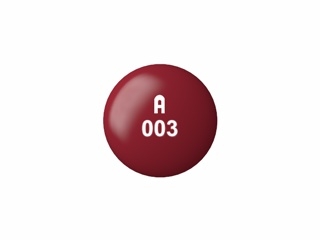


Pyridium (Phenazopyridine) – Patient Guide (Australia)
Pyridium is a medicine used to relieve pain, burning, urgency and discomfort associated with irritation of the urinary tract. It works by soothing the lining of the bladder and urinary tract so you can feel more comfortable while your underlying cause of symptoms (such as a urine infection) is treated.
This guide explains how Pyridium works, when it’s used, how to take it safely, what to expect, and what to watch for. It is written for people in Australia and includes practical tips for everyday use.
Quick facts
- Active ingredient: Phenazopyridine (phenazopyridine hydrochloride)
- What it’s for: Temporary relief of urinary tract discomfort (burning, pain, urgency)
- How it works: Local analgesic effect on the urinary tract lining
- Typical duration: Usually up to 2 days unless a clinician advises otherwise
- Common noticeable effect: Urine may turn orange/red
- Important: It does not treat the infection itself (if infection is present, you also need appropriate treatment)
Basic product information
Pyridium is an oral medicine. It is commonly supplied as tablets containing phenazopyridine, used short-term to relieve symptoms of urinary tract irritation.
Brand name: Pyridium
Generic name: Phenazopyridine
Note: Your local product strength and pack size may differ. Always follow the dose written on your specific pack or as advised by your healthcare professional.
How Pyridium works (mechanism of action)
Phenazopyridine provides symptomatic relief of urinary tract pain. It exerts a local analgesic effect on the urinary tract mucosa (the lining), helping to reduce burning and discomfort.
- Targets irritation: Works on the bladder and urethral lining where discomfort is felt.
- Relieves symptoms: Does not “cure” the cause of symptoms (for example, it does not eradicate bacteria).
- Helps you cope: Useful while waiting for tests or while taking other treatments (such as antibiotics) when necessary.
Pharmacokinetics (what the body does with it)
After oral dosing, phenazopyridine is absorbed and then excreted via the kidneys. A key part of its effect is that it concentrates in the urinary tract.
- Absorption: Absorbed from the gastrointestinal tract.
- Distribution: Concentrates in urine and acts locally on the urinary tract lining.
- Metabolism: Metabolised in the body (details vary between individuals).
- Elimination: Primarily excreted in urine.
Why this matters: Because the medicine is handled by the kidneys and excreted in urine, people with kidney impairment are at higher risk of adverse effects and should use Pyridium with extra caution (see Safety profile).
Typical uses and indications
Pyridium is indicated for short-term relief of symptoms caused by irritation in the urinary tract, such as:
- Burning or pain during urination
- Urinary urgency and frequency associated with irritation
- Discomfort due to cystitis-like symptoms (while underlying causes are assessed/treated)
- Relief of bladder discomfort due to instrumentation (where appropriate under clinician advice)
Important: If your symptoms are due to a bacterial urinary tract infection, Pyridium is not a substitute for appropriate infection treatment. It only addresses the discomfort.
Timing – when it starts working and how long to use it
Many people notice relief within about 1–2 hours after taking a dose. Symptom relief may continue for several hours as the medicine acts locally.
Typical short course: Use Pyridium for the shortest time necessary, commonly up to 2 days, unless a healthcare professional advises otherwise. If symptoms persist beyond this timeframe, you should seek medical advice to identify and treat the underlying cause.
Practical approach: Take Pyridium only while you are also addressing the cause of urinary symptoms (for example, urine testing and infection management if relevant).
How to take Pyridium (dosing guidance)
Always follow the dose on your specific product pack. If you were given a personalised instruction, follow that instead of general information.
Typical adult dosing (general information)
- Adults: Common regimens involve taking phenazopyridine after meals to reduce stomach upset, with doses spread through the day.
- Maximum duration: Usually no more than 2 days without medical advice.
Do not exceed the stated dose on the pack. Overuse increases the risk of serious side effects.
Children and adolescents
Pyridium use in children depends on age and product formulation. Because safe dosing can vary and phenazopyridine has specific precautions, consult a healthcare professional or the product label for age suitability and dosing.
Missed dose
- If you miss a dose, take it when you remember unless it’s close to the next dose.
- Do not double doses.
Food interactions and “take with or without food?”
Pyridium is typically taken after food or with meals to improve tolerability and reduce stomach irritation.
- With food: Often easier on the stomach.
- Hydration: Drinking fluids can help manage urinary discomfort and supports urinary flow.
There are no widely known major dietary restrictions, but if your stomach is sensitive, taking Pyridium after meals is usually the most comfortable option.
Alcohol and medicine interactions
Alcohol
While no single “always prohibited” interaction applies to everyone, alcohol can worsen dehydration and urinary irritation in some people. Because phenazopyridine has potential side effects and is used short-term, it’s generally sensible to avoid alcohol while you’re taking it, or keep alcohol to a minimum.
Other medicines
It’s important to check for interactions, especially if you take multiple medicines or have chronic conditions. Tell your pharmacist or doctor about all medicines you use, including:
- Other urinary symptom treatments
- Medications affecting kidney function
- Medicines that affect red blood cells or blood disorders
- Any vitamins or herbal products
Known issue to be aware of: Phenazopyridine can cause changes in urine colour, which may affect interpretation of urine test results. Also, in certain situations, it may increase the risk of serious blood-related adverse effects—risk is higher with kidney impairment or higher doses.
Safety profile – who should be cautious and what to watch for
Pyridium can be helpful, but it must be used correctly. The key safety points are below.
Common side effects
- Orange/red urine: This is expected and typically harmless.
- Stomach upset (nausea, mild abdominal discomfort)
- Headache or dizziness in some people
Serious side effects – seek urgent medical help
Stop taking Pyridium and seek urgent medical attention if you develop signs of serious reactions, such as:
- Severe weakness, shortness of breath, or unusual fatigue
- Yellowing of skin or eyes (jaundice)
- Unusual bruising or bleeding
- Swelling of face/lips, rash with breathing difficulty (possible allergic reaction)
- Worsening symptoms including fever or flank/back pain
Conditions requiring extra caution
Be cautious and discuss with a healthcare professional before use if you have:
- Kidney problems (renal impairment)
- G6PD deficiency or history of blood disorders
- Severe liver disease
- Known hypersensitivity to phenazopyridine or related medicines
Pregnancy and breastfeeding
If you are pregnant or breastfeeding, speak to a healthcare professional before using Pyridium. Decisions are based on the balance of benefits and risks for you and your baby.
Urine colour and urine tests
Pyridium commonly causes urine to turn orange or red. This can:
- Confuse urine test results
- Mask certain findings on urine dipsticks
Tip: If you are submitting a urine sample, tell the clinician or laboratory that you have taken phenazopyridine.
Practical use tips (to get the most benefit safely)
- Use for symptom relief only: Pyridium soothes discomfort; it doesn’t treat the underlying cause.
- Keep the course short: Commonly up to 2 days unless advised otherwise.
- Take after meals: Helps reduce stomach upset.
- Stay hydrated: Drinking water may reduce irritation and helps you feel better overall.
- Monitor symptoms: If symptoms persist or worsen, seek advice.
- Plan for urine testing: Inform the person taking the sample that you used phenazopyridine.
When to seek urgent care
Get medical help promptly if you have any of the following:
- Fever or chills
- Back/flank pain (pain in the side/back below the ribs)
- Blood in urine that is significant or persistent
- Severe pain or inability to pass urine
- Symptoms in pregnancy
- Symptoms in a child or recurrent urinary infections
Alternative options for urinary tract discomfort
If Pyridium is not suitable (for example, due to allergies, kidney issues, or drug interactions), your options depend on the cause of symptoms.
Symptom relief alternatives
- Non-medication measures: Hydration, warmth, and avoiding bladder irritants (such as excessive caffeine or alcohol) may help mild irritation.
- General pain relief: Paracetamol or ibuprofen may be considered for pain, depending on your medical history and other medicines. Always check suitability for you.
Addressing the underlying cause
If your symptoms are due to infection, the most important step is to identify and treat it appropriately (for example, with antibiotics when indicated). Ongoing symptoms after a short period of symptom relief should not be ignored.
Note: Do not use Pyridium as a “delay” tactic if you have signs of kidney infection (such as fever or flank pain).
Market and legal context for Australia (general overview)
In Australia, medicines are regulated under the Therapeutic Goods Administration (TGA) and are classified in categories such as registered prescription medicines, and some medicines may be available without prescription depending on local scheduling and product formulation.
Availability: Availability can vary between brands, pack sizes, and whether a product is currently listed for over-the-counter supply. Online pharmacies may stock phenazopyridine products where permitted and as described on their listings.
Supply responsibilities: In Australia, pharmacists and suppliers are required to provide appropriate information to help you use medicines safely, including screening for suitability and directing you to medical care when necessary.
Recent guidance: Current practice generally emphasises that urinary symptom relief medicines should be used for short periods and that persistent or complicated symptoms require assessment to prevent complications.
Delivery and availability (online pharmacy)
Online pharmacies in Australia typically offer delivery to metro and regional areas. Delivery speed and fees can vary depending on your location and the courier service used.
- Check stock status: Product availability may change.
- Delivery estimates: Most listings show an estimated delivery window.
- Packaging: Medicines are usually sent in secure, tamper-evident packaging.
Tip: If you need the medicine urgently due to significant discomfort, place your order early and ensure you provide accurate delivery details (name, address, and contact number).
Dosing summary table
| Patient group | Typical use | Duration | Key notes |
|---|---|---|---|
| Adults | Short-term relief of urinary burning/pain and urgency | Often up to 2 days | Take after meals; do not exceed pack dose. Seek advice if symptoms persist or worsen. |
| Children & adolescents | Only if suitable for age/condition and dosing is confirmed | Short-term only | Dosing varies by age and product—check with a healthcare professional. |
| Kidney impairment | Generally requires extra caution or medical advice | Avoid or use only under guidance | Risk of adverse effects may increase—discuss before using. |
FAQ – Frequently asked questions
1) Why is my urine orange/red after taking Pyridium?
This is a well-known effect of phenazopyridine. The medicine colours urine orange or red. If the colour is extreme or you’re also experiencing other concerning symptoms (such as weakness, fever, rash), contact a clinician.
2) Does Pyridium treat a urinary tract infection?
Pyridium provides symptom relief (pain/burning/urgency). It does not reliably treat the infection itself. If you suspect an infection, seek appropriate evaluation and treatment.
3) How soon will Pyridium start working?
Many people feel relief within 1–2 hours. Relief may continue for several hours depending on individual factors and the dose schedule.
4) Can I take Pyridium with food?
Yes. It’s commonly taken after meals to reduce the chance of stomach upset.
5) Can I drink alcohol while taking Pyridium?
It’s best to avoid alcohol or limit it. Alcohol can worsen dehydration and irritation for some people and may make you feel unwell. If you choose to drink, do so cautiously and stop if symptoms worsen.
6) What if my symptoms don’t improve?
If symptoms persist beyond the usual short course (commonly up to 2 days) or worsen at any time, you should seek medical advice. Ongoing urinary symptoms may indicate infection or another condition that needs proper assessment.
7) Can Pyridium affect urine tests?
Yes. Phenazopyridine can colour urine and may interfere with interpretation of some urine test results. Inform the clinic or laboratory if you have taken it.
8) Who should avoid Pyridium or use it with extra caution?
Extra caution is recommended for people with kidney impairment, G6PD deficiency, or certain blood disorders. If you have any of these conditions, speak to a pharmacist or clinician before using.
9) Is Pyridium safe for pregnancy or breastfeeding?
Safety depends on individual circumstances. Speak to a healthcare professional for advice tailored to your situation.
10) What should I do if I accidentally take too much?
Do not exceed the dose on the pack. If you suspect overdose or you’ve taken more than directed, seek urgent medical advice or contact the Poisons Information Centre (Australia) for guidance.
Last reminder: Pyridium is intended for short-term relief of urinary discomfort. If you have fever, back pain, significant blood in urine, or symptoms that do not improve, arrange appropriate medical assessment promptly.