

Artane (Trihexyphenidyl) — Patient Information (Australia)
Artane is a brand of trihexyphenidyl, a medicine used to treat certain movement problems by reducing excessive muscle activity. This guide explains how Artane works, how it’s commonly used, important safety information, and what to consider with food, alcohol, and other medicines.
This information is intended to help you understand your medicine. Always follow the directions provided by your healthcare professional and the product label.
Quick facts
- Active ingredient: Trihexyphenidyl
- Medicine type: Anticholinergic (antimuscarinic)
- Common uses: Parkinson’s disease symptoms and drug-induced movement disorders
- How it works: Helps restore balance in brain signalling involved in movement
- Common side effects: Dry mouth, constipation, blurred vision, dizziness, and drowsiness
Basic product information
| Category | Details |
|---|---|
| Brand name | Artane |
| Generic name | Trihexyphenidyl |
| Drug class | Anticholinergic / antimuscarinic |
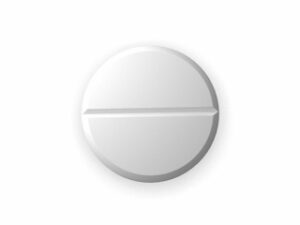
| Typical forms | Tablets (strengths vary by product) |
| How it’s usually taken | Oral tablets, often started at a low dose and increased gradually |
Note: Brand availability and tablet strengths can vary. Your pharmacy can confirm the product details you’re purchasing.
How Artane works (mechanism of action)
Trihexyphenidyl is an anticholinergic medicine. In the brain, the neurotransmitter acetylcholine influences movement control. In disorders such as Parkinson’s disease or when certain medicines cause unwanted movement, the balance between acetylcholine and dopamine can become distorted.
By blocking muscarinic (acetylcholine) receptors, Artane can help:
- Reduce muscle stiffness and tremor in some people
- Ease drug-induced extrapyramidal symptoms such as rigidity or dystonia
- Improve overall movement comfort for certain movement conditions
Because Artane acts on brain signalling rather than treating the underlying cause of disease, it helps manage symptoms.
Pharmacokinetics: how the body handles trihexyphenidyl
Pharmacokinetics describes the journey of a medicine through absorption, distribution, metabolism, and excretion.
- Absorption: Trihexyphenidyl is absorbed after oral dosing. Individual response may vary.
- Onset: Some symptom improvement may be noticed after starting treatment or increasing dose, though full effect may take days to weeks depending on the condition and dose.
- Distribution: It crosses into the central nervous system and affects brain receptors relevant to movement.
- Metabolism: It is processed by the liver (metabolic pathways can vary between individuals).
- Elimination: It is cleared from the body via metabolic processes and excretion of metabolites. Clearance can be affected by age and overall health.
If you have kidney or liver concerns, ask a clinician or pharmacist for personalised guidance on safe use.
Typical uses and indications
Artane is used for movement-related conditions, most commonly including:
1) Parkinson’s disease (symptom control)
- To help reduce symptoms such as tremor and muscle stiffness/rigidity
- Often used alone or in combination with other Parkinson’s medications, depending on symptom pattern
2) Drug-induced movement disorders
Some medicines (especially certain antipsychotics) can cause abnormal movements. Trihexyphenidyl may be used to manage:
- Acute dystonia (painful muscle spasms, often of the neck/jaw)
- Extrapyramidal symptoms such as rigidity or tremor due to medication side effects
3) Other anticholinergic-responsive movement disorders
Your healthcare professional may consider trihexyphenidyl for other conditions where anticholinergic treatment is appropriate.
When to take Artane (timing and consistency)
Trihexyphenidyl is typically taken regularly to maintain symptom control. Timing depends on your prescribed schedule.
- Starting phase: Many people are started at a low dose and increased gradually to reduce side effects.
- Daily schedule: If taken more than once a day, try to keep doses spaced evenly (for example, morning and evening) unless your prescriber advises otherwise.
- Missed dose: If you miss a dose, take it when you remember unless it is close to the time for the next dose. Do not double up.
Practical tip: Use a pill organiser and set reminders. This is especially helpful because side effects can be more noticeable if doses are taken inconsistently.
Food interactions and swallowing tips
Trihexyphenidyl’s anticholinergic effects can slow stomach and bowel activity. Food can also affect comfort and tolerance.
Can you take Artane with food?
- Many people tolerate trihexyphenidyl better when taken with or after food, especially if nausea occurs.
- If your healthcare professional has given specific directions, follow those.
Hydration and constipation
- Because anticholinergic medicines can contribute to constipation, ensure adequate fluids and dietary fibre.
- Seek advice promptly if you develop severe constipation, abdominal pain, vomiting, or inability to pass stools/gas.
Swallowing: Take tablets whole with water. If you have swallowing difficulties, ask a pharmacist about feasible strategies for your specific tablet type.
Alcohol interactions
Alcohol may increase the risk of dizziness, drowsiness, and impaired coordination when combined with anticholinergic medicines. Trihexyphenidyl can also affect balance and attention.
- Best approach: Limit alcohol or avoid it until you know how Artane affects you.
- Safety: Avoid driving or operating machinery if you feel sleepy, dizzy, or vision is blurred.
Interactions with other medicines
Tell your pharmacist or clinician about all medicines you take, including over-the-counter products, herbal remedies, and supplements.
Medicines with anticholinergic effects (additive effects)
Combining trihexyphenidyl with other medicines that reduce cholinergic activity can increase side effects such as:
- Dry mouth
- Blurred vision
- Constipation
- Urinary retention
- Confusion or delirium (especially in older adults)
Examples may include some medicines for allergies, motion sickness, nausea, or bladder symptoms (depending on active ingredient).
Parkinson’s medicines and movement disorder regimens
Trihexyphenidyl is sometimes used alongside other treatments for Parkinson’s disease. Dose adjustments may be necessary to balance benefit and side effects.
Other interaction considerations
- Central nervous system depressants: Increased sedation may occur.
- Medications that affect gut motility: Increased risk of constipation may occur.
- Glaucoma: Some anticholinergic medicines can worsen certain types of glaucoma—discuss eye history with a clinician.
Dosing: how trihexyphenidyl is commonly used
Trihexyphenidyl dosing is individual and depends on the condition being treated, age, symptom severity, and tolerance of side effects. Doses are usually increased gradually.
Important: The information below is general and not a substitute for personalised dosing instructions from your healthcare professional.
General dosing approach
- Start low: Lower doses are often used initially to limit side effects.
- Titrate slowly: The dose may be adjusted every few days or weekly, depending on response and tolerability.
- Divide doses: If symptoms persist, the daily dose may be split into multiple doses.
Typical timing of dose increases
Many people experience initial side effects early. If side effects are manageable and symptoms persist, the dose may be increased gradually. If adverse effects are significant, the dose may be reduced or stopped and alternatives considered.
If you are older, or have specific health conditions
In older adults, anticholinergic medicines can increase the risk of cognitive effects and urinary issues. Clinicians often use extra caution and may start at lower doses.
If you want, share (in general terms) the dosing regimen you were given (e.g., “one tablet in the morning and evening”) and we can help you interpret dosing timing and practical administration tips.
Safety profile: side effects and when to seek help
Like all medicines, Artane can cause side effects. Many are related to its anticholinergic effects.
Common side effects
- Dry mouth
- Constipation
- Blurred vision
- Dizziness or light-headedness
- Nausea
- Urinary difficulty (reduced flow)
- Drowsiness or fatigue
Less common but important risks
- Confusion, agitation, or delirium (more likely in older adults)
- Heat intolerance due to reduced sweating
- Rapid heart rate or palpitations
- Severe constipation or bowel obstruction symptoms
- Eye pressure concerns (particularly in people with certain types of glaucoma)
Seek urgent medical advice if
- You develop severe confusion, hallucinations, or extreme agitation
- You cannot pass urine, or you have severe pain with urinary retention
- You have severe constipation with abdominal swelling/pain, vomiting, or inability to pass gas
- You experience symptoms of heat-related illness (e.g., overheating, fainting)
- You develop severe eye pain, halos around lights, or sudden vision changes
Driving and operating machinery
Artane may cause dizziness, drowsiness, or blurred vision. Avoid driving or hazardous tasks until you know how it affects you.
Practical use tips (to improve comfort and reduce problems)
- Start when you can monitor response: If possible, avoid starting or dose increases right before long days at work or activities requiring high concentration.
- Manage dry mouth: Sip water regularly, use sugar-free lozenges, and maintain good oral hygiene.
- Prevent constipation: Increase fluids and fibre. If constipation occurs, consider discussing a stool softener or laxative option with your pharmacist.
- Watch urinary symptoms: If you have prostate enlargement or a history of urinary retention, tell your clinician promptly if urination becomes difficult.
- Heat safety: Anticholinergic medicines can reduce sweating. Avoid overheating and take precautions during hot weather or exercise.
- Keep a symptom diary: Note tremor, stiffness, muscle spasms, and side effects. This can help your clinician fine-tune the dose.
- Don’t stop abruptly without advice: If you want to stop or change your regimen, consult a clinician. Dose reduction may be needed to avoid symptom flare or withdrawal-like effects (varies by patient).
Alternative options
Depending on your condition and symptom pattern, clinicians may consider different treatments. Alternatives can include both non-drug and drug options.
For Parkinson’s disease symptoms
- Levodopa or levodopa-containing combinations
- Dopamine agonists
- MAO-B inhibitors
- Amantadine (in some cases)
- Physiotherapy and exercise programs to support mobility and function
For medication-induced movement disorders
- Reviewing the causative medicine (dose reduction or change where appropriate)
- Anticholinergic medicines may be considered alternatives to trihexyphenidyl
- Other targeted treatments depending on the movement disorder type and severity
Your clinician can explain which options best match your symptoms, health profile, and side effect tolerance.
Market and legal context for Australia
In Australia, medicines are regulated under the Therapeutic Goods Administration (TGA) framework, including classification of supply status. Availability and supply requirements can vary depending on product strength and intended use.
When purchasing online, reputable pharmacies in Australia typically verify relevant requirements and ensure safe supply based on the medicine’s legal category, age, and health information.
Note: Supply rules and listings can change over time. Always rely on the information shown on the specific product page and the guidance provided by your pharmacy.
Recent guidance and clinical considerations
Clinical practice evolves. In recent years, broader emphasis has grown on reducing anticholinergic burden, especially in older adults, because these medicines can be associated with cognitive effects and other complications.
Key points clinicians consider include:
- Individual risk–benefit assessment: weighing symptom relief against side effects like confusion, constipation, and urinary retention.
- Using the lowest effective dose: to minimise anticholinergic adverse effects.
- Monitoring during initiation and dose changes: checking for heat intolerance, vision changes, bowel function, and mental status.
- Reviewing interacting medicines: particularly other anticholinergic drugs that may compound side effects.
If you are taking multiple medicines, ask your pharmacist to perform a compatibility check and review your overall anticholinergic load.
Delivery and availability (online pharmacy)
Availability of Artane can vary by supplier and tablet strength. When purchasing online in Australia:
- Stock checks: Many pharmacies display real-time availability or estimated dispatch times.
- Packaging: Medicines are typically shipped in compliant packaging with label details for safe use.
- Delivery times: Depend on your location (metro vs regional) and courier services.
- Cold chain: Artane tablets are generally not temperature-sensitive, but always follow the product label instructions.
If the product is temporarily out of stock, pharmacies may offer alternatives or notify you when it returns.
FAQ
1) What is Artane used for?
Artane (trihexyphenidyl) is used to help manage symptoms such as tremor and stiffness in Parkinson’s disease and to treat or reduce drug-induced movement disorders like dystonia or other extrapyramidal symptoms.
2) How long does it take to work?
Some people notice improvement after starting or adjusting the dose, but for many, a stable benefit may take days to weeks. Dose increases are often gradual to balance effectiveness and side effects.
3) Can I take Artane with food?
Many people take trihexyphenidyl with or after food to improve tolerability. Follow your prescribed schedule. If you notice nausea or stomach discomfort, discussing meal timing with your pharmacist can help.
4) What are the most common side effects?
Common side effects include dry mouth, constipation, blurred vision, dizziness, and drowsiness. These are typically related to its anticholinergic effects.
5) Is it safe for older adults?
Caution is often needed for older adults because anticholinergic medicines can increase the risk of confusion, constipation, and urinary issues. A clinician may start at a lower dose and monitor closely.
6) Can I drink alcohol while taking Artane?
Alcohol may increase dizziness or drowsiness. It’s best to limit alcohol or avoid it until you understand how Artane affects you, especially if you feel sleepy or your vision is affected.
7) Will Artane interact with my other medications?
It can. Medicines that also have anticholinergic effects (for example, some allergy or bladder medicines) can increase side effects. Always share your full medication list with a pharmacist for review.
8) What should I do if I miss a dose?
Take it when you remember unless it’s close to the next dose. Don’t take double doses to make up for a missed tablet.
9) How can I reduce constipation risk?
Drink enough fluids, maintain dietary fibre, and stay physically active when possible. If constipation develops, speak to your pharmacist about suitable options.
10) When should I seek urgent help?
Seek urgent medical advice if you experience severe constipation with abdominal pain/vomiting, inability to pass urine, severe confusion or agitation, sudden vision changes, or overheating symptoms.
Disclaimer: This page provides general information about Artane (trihexyphenidyl). Individual needs vary. For advice tailored to your health, consult a healthcare professional or pharmacist.