
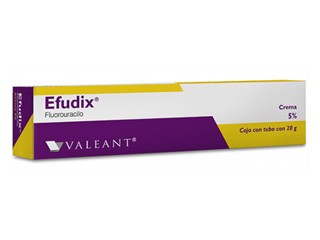


Fluorouracil (5‑FU) – Patient Information (Australia)
Fluorouracil (commonly called 5‑FU) is a medicine used to treat certain cancers by interfering with the growth of cancer cells. It is available in different forms and is used under specialist guidance in Australia, commonly as part of hospital-based or oncology-led treatment plans.
This page explains what fluorouracil is, how it works, how it behaves in the body, what it’s used for, and practical safety information. Always follow your healthcare team’s instructions, including the specific schedule and monitoring they recommend for your situation.
Basic product information
| Item | Information |
|---|---|
| Generic name | Fluorouracil (5‑FU) |
| Medicine type | Cytotoxic chemotherapy (antimetabolite) |
| Common uses | Various cancers (e.g., colorectal, head and neck, breast, and others depending on regimen) |
| Common forms | Injection (and topical formulations exist in some settings for skin conditions) |
| Where it’s typically given | Hospital/clinic oncology settings; topical versions may be prescribed for skin lesions |
| Important note | Exact regimen, dose, and duration vary significantly by indication and patient factors |
How fluorouracil works (mechanism of action)
Fluorouracil is an antimetabolite. Cancer cells often divide rapidly and rely on building blocks (nucleotides) to make DNA and RNA. Fluorouracil interferes with these processes through two key actions:
- Inhibition of thymidylate synthase: This reduces the availability of thymidine, a component needed for DNA synthesis.
- Incorporation into RNA: It can be mistakenly incorporated into RNA, disrupting protein production and cell function.
The result is impaired cancer cell growth and division. Because rapidly dividing healthy cells can also be affected, side effects such as mouth sores, diarrhoea, and low blood counts can occur.
Pharmacokinetics (how the body handles it)
Pharmacokinetics describes how a medicine is absorbed, distributed, metabolised, and excreted. Fluorouracil is used via routes determined by the treatment regimen (for example, intravenous administration).
- Distribution: Once in the bloodstream, fluorouracil distributes into tissues. Some metabolites are taken up by cells involved in nucleotide metabolism.
- Metabolism: A major pathway involves conversion by liver enzymes and other processes, including breakdown to inactive metabolites. Enzyme activity can vary between individuals, influenced by genetics and liver function.
- Elimination: Metabolites are primarily cleared through the kidneys and excreted in urine.
- Half-life and control: The dosing schedule (e.g., bolus vs continuous infusion) is designed to maintain effective drug exposure while managing toxicity.
Your oncology team may adjust timing, infusion method, and supportive medicines based on blood test results (for example, full blood counts and liver function tests). In some protocols, additional testing may be used to help predict toxicity risk.
Typical uses (indications)
Fluorouracil is used to treat a range of cancers. The exact role depends on tumour type, stage, and treatment plan. It may be used alone or combined with other chemotherapy medicines and/or targeted or radiation therapies.
Common cancer indications (examples):
- Colorectal cancer: Often as part of combination chemotherapy regimens.
- Head and neck cancers: In selected protocols, sometimes in combination therapies.
- Breast cancer: In certain chemotherapy plans, often as part of combination treatment.
- Other solid tumours: Depending on the oncology regimen and clinical setting.
- Skin conditions (topical formulations): In some contexts, fluorouracil may be used to treat specific precancerous lesions of the skin. (This section relates to topical use; schedules and instructions differ from injectable chemotherapy.)
Timing and how it’s administered
The “timing” of fluorouracil depends on the form (injection vs topical) and the specific chemotherapy regimen. For injectable chemotherapy, dosing schedules commonly follow cycles (for example, every 1–4 weeks), and may include:
- Bolus dosing: Given over a short time period.
- Continuous infusion: Given slowly over hours to days in some regimens.
- Combination cycles: Used with other medicines given on particular days of the cycle.
Your care team will provide an exact calendar for your treatment. Do not alter schedules yourself. If you miss an appointment or treatment day, contact your oncology clinic promptly for advice.
Food interactions
Food interactions are mainly relevant to medicines taken by mouth. Fluorouracil is commonly administered by injection in oncology settings, and therefore:
- Injected fluorouracil: Food is generally not expected to directly affect drug absorption in the same way oral medicines do.
- Topical fluorouracil (if prescribed for skin lesions): Food is not expected to interact with topical treatment.
Even if direct drug absorption is not affected, treatment side effects can affect eating and hydration. Many people experience nausea, diarrhoea, changes in appetite, or mouth soreness. Try to follow the nutrition and hydration guidance provided by your healthcare team.
Alcohol and medicine interactions
Alcohol can worsen side effects such as nausea, dehydration, and irritation to the mouth or gut. It may also affect liver function and overall recovery during chemotherapy. Because fluorouracil is metabolised in the body (including the liver), it’s generally safest to:
- Avoid alcohol during treatment unless your clinician approves it.
- If you choose to drink, keep it minimal and discuss it with your oncology team—especially if you have liver issues, diarrhoea, low blood counts, or are taking other interacting medicines.
Important interaction note: fluorouracil is commonly used alongside other medicines, and interactions depend heavily on the full regimen. Share a complete list of medicines, including supplements, herbal products, and over-the-counter pain relief, with your oncology team and pharmacist.
Dosing (how dose is determined)
Fluorouracil dosing varies by:
- Indication (which cancer is being treated)
- Treatment regimen (which other medicines are used together)
- Body size (commonly based on body surface area)
- Age and performance status
- Kidney and liver function
- Prior treatment history
- Current blood counts and tolerability
- Risk factors for toxicity (which your clinician may evaluate)
Because dosing is individualised, this page does not provide a single “standard dose” that would apply to everyone. Your oncology team may reduce the dose or delay treatment depending on blood test results and side effects (dose modifications).
Safety profile and monitoring
Fluorouracil can cause side effects due to its effects on rapidly dividing cells and on normal tissues. Many side effects are manageable with supportive care, but it’s important to know what to watch for.
Common side effects
- Diarrhoea or changes in bowel habits
- Mouth sores (stomatitis), sore or red mouth
- Nausea
- Decreased appetite
- Fatigue and weakness
- Low blood counts (neutropenia, anaemia, thrombocytopenia), which can increase infection or bleeding risk
- Hair changes may occur with some regimens (varies by combination)
- Skin changes (more typical with topical use, but may occur systemically depending on regimen)
Serious or urgent side effects
Contact your healthcare team urgently or seek medical attention immediately if you experience:
- Fever (often defined as 38°C or higher) or signs of infection, especially if blood counts are low
- Severe diarrhoea, dehydration, or inability to keep fluids down
- Signs of mouth infection (worsening pain, white patches) or inability to eat/drink
- Uncontrolled bleeding or unusual bruising
- Allergic reactions (e.g., swelling of face/lips, breathing difficulty, widespread rash)
- Severe hand-foot skin reaction (more common with certain regimens and continuous exposure patterns) such as painful redness, swelling, or blistering on palms and soles
- Severe abdominal pain or persistent vomiting
Special monitoring
Your clinicians may monitor:
- Full blood counts (to track infection/bleeding risk)
- Electrolytes and hydration status (especially if diarrhoea occurs)
- Liver function tests (since metabolism involves liver pathways)
- Treatment response through imaging and clinical assessment, depending on the cancer type
Some patients may be assessed for genetic or biochemical risk factors that influence fluorouracil tolerance, depending on local practice and regimen. Discuss what tests (if any) apply to you.
Practical use tips (supporting comfort and safety)
Before each treatment visit
- Follow the pre-treatment guidance provided by your clinic.
- Bring a list of your current medicines and allergies.
- Tell your team if you’ve had recent infections, bleeding, severe diarrhoea, or mouth ulcers.
- If you use anti-nausea medicines or supportive prescriptions, ask whether you should take them exactly as directed before appointments.
During treatment
- Hydration: If diarrhoea or poor intake occurs, prioritise fluids and follow any clinic-specific recommendations.
- Mouth care: Use gentle oral hygiene and follow advice for mouth soreness prevention and treatment. Avoid harsh mouthwashes unless prescribed.
- Skin care (particularly for topical fluorouracil): Protect treated areas from sun, wear comfortable clothing, and avoid occlusive dressings unless told.
- Infection precautions: If your blood counts are low, your clinician may advise avoiding crowds, practising good hand hygiene, and monitoring temperature.
After treatment
- Attend follow-up appointments for blood tests and symptom review.
- Report delayed side effects promptly (some issues can develop days after dosing).
- Keep a symptom diary (diarrhoea frequency, mouth pain, temperature, energy level) if helpful for your visits.
Alternative options (what may be considered)
Treatment choices depend on the cancer type and stage, prior therapies, overall health, and goals of care. If fluorouracil isn’t suitable due to side effects, interactions, or specific clinical circumstances, clinicians may consider alternatives such as:
- Other chemotherapy agents used in similar regimens (examples vary by cancer type)
- Targeted therapies for eligible patients (depending on tumour markers)
- Radiation therapy in combination with systemic treatment for some cancers
- Different schedules or administration methods (e.g., infusion strategy changes) to improve tolerability
- For topical skin indications: other topical medicines or procedural approaches may be used depending on lesion type
Your oncologist can explain which alternatives are appropriate for your specific diagnosis and treatment goals.
Market and legal context in Australia
In Australia, chemotherapy medicines are regulated through the Therapeutic Goods Administration (TGA) and are supplied in accordance with medicines scheduling and prescribing/dispensing requirements.
Fluorouracil is generally supplied through authorised channels for oncology use. Availability for specific formulations can vary by hospital supply arrangements, treatment protocols, and stock levels.
For patients, it’s important to obtain fluorouracil only through appropriate healthcare providers and legitimate supply networks. Oncology medicines should not be purchased or used from unverified sources due to safety and quality concerns.
Recent guidance and current best practice (high-level)
Treatment practice evolves over time as new evidence is published. Recent best-practice themes in many regions (including Australia) include:
- Individualising dosing and schedules to balance effectiveness and toxicity, guided by patient condition and monitoring results.
- Supporting toxicity prevention and early intervention (e.g., anti-nausea strategies, prompt management of diarrhoea and infections).
- Using combination regimens appropriately based on tumour type and biomarker status where applicable.
- Improving safety through monitoring of blood counts and organ function.
Your oncology team will align your care with the most current evidence and local clinical protocols.
Delivery and availability (online pharmacy information)
Availability of fluorouracil products depends on the formulation and treatment setting. Injectable oncology medicines are frequently supplied through hospital pharmacy services rather than direct-to-home delivery. Topical formulations may be supplied via pharmacy channels depending on what is prescribed and available.
When ordering online, check:
- Product form (injection vs topical product)
- Strength and pack size
- Supply timing and any expected dispatch delays
- Storage requirements (follow label instructions; some medicines require refrigeration while others may not)
- Customer support availability for product-specific questions
If you have urgency due to an upcoming treatment date, contact customer support to confirm dispatch timelines and availability.
FAQ – Frequently asked questions
Is fluorouracil the same as 5‑FU?
Yes. Fluorouracil is commonly referred to as 5‑FU, which stands for 5‑fluorouracil.
How long does treatment with fluorouracil usually take?
Treatment duration varies by cancer type and regimen. Some courses are delivered in cycles, and the total number of cycles depends on response and tolerability. Your clinic will provide your specific plan and timing.
What should I do if I feel unwell on treatment days?
Contact your oncology team promptly if you develop fever, severe diarrhoea, vomiting, signs of dehydration, or worsening mouth sores. If symptoms are severe, seek urgent medical care.
Can I take paracetamol or other common pain relief?
Many people use pain relief during chemotherapy, but the safest option depends on your overall health, other medicines, and lab results. Ask your pharmacist or oncology team before taking new medicines, especially if you have liver issues, blood count problems, or are on additional therapies.
Does fluorouracil affect fertility?
Chemotherapy may affect fertility. If preserving fertility is important to you, discuss options with your treating team before starting treatment.
Can I breastfeed or become pregnant while on fluorouracil?
Fluorouracil may be harmful to an unborn baby and is generally not recommended during pregnancy. Breastfeeding considerations also apply. Discuss reproductive planning and contraception with your healthcare team.
Are there driving or work restrictions?
Some people experience fatigue, dizziness, or reduced concentration. If you feel unwell or drowsy, avoid driving and heavy machinery. Your clinic can provide guidance based on your symptoms and the regimen.
How should topical fluorouracil be used (if prescribed)?
If you’ve been prescribed a topical fluorouracil product, follow the exact instructions on the label or provided by your clinician. Common practical measures include protecting the area from sun and avoiding unnecessary irritation. Stop and seek advice if you develop signs of severe skin reaction or infection.
What should I do about missed appointments or doses?
Don’t attempt to reschedule on your own. Contact your oncology clinic immediately for advice on how to adjust the schedule safely.
Where can I get reliable information and support?
Your oncology team and pharmacist are the best sources for guidance tailored to your regimen. If you require urgent medical help, contact emergency services or your local urgent care provider.
Summary
Fluorouracil (5‑FU) is a chemotherapy medicine that targets cancer cell growth by disrupting DNA/RNA production. Its dosing and timing are carefully planned according to cancer type and individual factors, and it requires monitoring for side effects such as diarrhoea, mouth sores, and low blood counts.
If you’re using fluorouracil, staying hydrated, maintaining good oral and skin care, and reporting concerning symptoms early can help you manage treatment more safely. Always follow the schedule and instructions from your healthcare team.