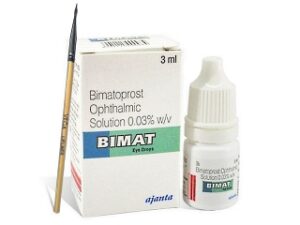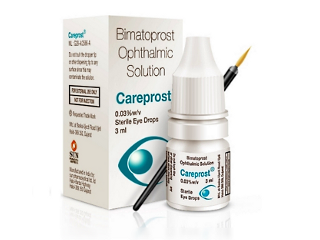
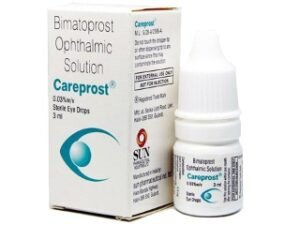
Careprost + Applicators (Bimatoprost) — Patient Guide (Australia)
Careprost + Applicators contains bimatoprost, a medicine used to improve eye lash growth and (in some formulations and settings) to treat specific eye conditions under ophthalmic guidance. This patient-friendly guide explains how it works, how to use it with the provided applicators, what to expect, and key safety information for users in Australia.
Important: Always follow the directions provided with your product and any clinician advice tailored to you. Individual responses can vary.
Basic product information
- Active ingredient: Bimatoprost
- Product name: Careprost + Applicators
- Dosage form: Ophthalmic/eyelash product supplied with applicators for targeted application
- Intended use (common): Enhancing the appearance of eyelashes (lash growth)
- Target area: Upper eyelids/eyelash line (as directed by your product instructions)
Australia users should ensure the product is supplied by a reputable source and is consistent with local regulatory requirements and labelling.
How bimatoprost works (mechanism of action)
Bimatoprost is a prostaglandin-related agent. It helps support the natural growth cycle of eyelashes by influencing cellular processes in the eyelash follicle.
- Increases growth phase activity: It may help shift follicles toward a longer active growth phase.
- May increase follicle size and pigmentation: Over time, lashes often look longer, thicker, and darker.
- Not a “dye”: The effect is related to follicle biology rather than immediately tinting lashes.
Because lash follicles naturally cycle, results are not instant. Regular, careful application is the key to best outcomes.
Pharmacokinetics (how the medicine behaves in the body)
When applied as directed to the eyelid/eyelash area, bimatoprost has limited systemic absorption. Most of the medicine acts locally in the intended area.
- Absorption: Systemic absorption is generally low when used on the eyelid/eyelashes.
- Distribution: Any absorbed fraction distributes through the bloodstream and is subject to normal metabolic pathways.
- Metabolism: Bimatoprost is metabolised primarily in the body.
- Excretion: Metabolites are eliminated mainly via renal (kidney) routes.
- Time course: The onset of visible lash changes typically takes weeks, reflecting the hair growth cycle rather than immediate pharmacologic effect.
Clinically, the low systemic exposure helps reduce the likelihood of whole-body side effects, although local effects on the eyelids/eyes can occur.
Typical uses and indications
Common indication: Eyelash enhancement
Many people use Careprost + Applicators to improve the appearance of eyelashes—for example, making lashes look longer, fuller, and darker.
Medical caution
Use for cosmetic eyelash enhancement should still be approached responsibly: proper application technique is essential to reduce the risk of eye irritation and other local effects.
Do not use the product for any purpose other than what the labelled directions specify. If you are unsure, consult a pharmacist or eye care professional.
How to use Careprost + Applicators (timing and step-by-step)
Because products can vary slightly, follow the exact instructions included with your Careprost pack. The guidance below describes typical use patterns.
Timing
- Usually once daily in the evening or at night.
- Try to apply at a consistent time each day.
- Allow the area to dry before applying makeup or contact lenses (if you wear them), according to your product instructions.
Application method (typical)
- Wash your hands thoroughly.
- Ensure your face and eyelids are clean and dry. Remove eye makeup.
- Use the applicator to pick up the correct amount of solution (avoid overloading).
- Apply along the lash line of the upper eyelid (as directed). Do not drip the solution into the eye.
- Use gentle pressure—the goal is careful contact with the lashes, not forcing liquid into the eye.
- Let it dry before blinking normally or rubbing your eyes.
- Repeat for the other eye if instructed.
Expected timeline (what “normal” looks like)
- Early changes: Some people notice subtle differences after a few weeks.
- Most noticeable results: Often around 8–12 weeks (varies by person).
- Ongoing maintenance: If you stop treatment, lash appearance may gradually return toward baseline over time.
Missed dose
If you miss a dose, apply it when you remember only if it is not close to the time of your next dose. Do not double up.
Dosing guidance
Typical dose: Once daily (commonly in the evening) to the lash line using the provided applicator, per the product label.
- Do not increase frequency to speed up results—this may raise the risk of side effects.
- Do not apply to the lower lash line unless your product instructions specifically allow it.
- Avoid contact with the eye surface unless the product is specifically formulated for intraocular/eyedrop use.
Food interactions
Because bimatoprost is used locally on the eyelid/eyelashes and has low systemic absorption when applied correctly, food interactions are not expected.
Even so, if you have a sensitive stomach or take multiple medications, it’s always sensible to follow general medication safety advice—such as spacing new medicines from known triggers and reporting unexpected symptoms to your clinician.
Alcohol and medicine interactions
Alcohol
No direct interaction between alcohol and topical eyelid bimatoprost is well established. However, alcohol can increase dehydration and eye dryness in some people, which may worsen irritation from any cosmetic/ophthalmic product.
- If you experience stinging or dryness, consider reducing alcohol intake or using lubrication drops as recommended by a pharmacist/eye care professional.
Interactions with other medicines
Systemic interaction risk is low due to minimal absorption. Still, local irritation may occur when combined with other eye-area products.
Tell your pharmacist or doctor if you use:
- Other ophthalmic drops/ointments
- Contact lens solutions or medicated eye products
- Medicines that you’ve previously had reactions to
- Any recent eye surgery or active eye infection
- Steroid-containing eye products (important for eyelid/eye conditions)
Practical tip: If you use other eye drops, leave adequate time between products as recommended (ask a pharmacist if you’re unsure). Avoid layering multiple eyelid products without guidance.
Safety profile and potential side effects
Most side effects are local and occur near the eyelid/eye. Severity can vary, and some effects may persist if the product is used incorrectly or too frequently.
Common possible side effects
- Redness or irritation of the eyelids
- Dryness or a gritty feeling in the eyes
- Itching or mild burning after application
- Temporary watering (tearing)
- Darkening of eyelid skin (periorbital hyperpigmentation) in some individuals
- Increase in lash thickness/length (intended effect, but can also be uncomfortable if lashes grow toward the eye)
Less common but important reactions
- Allergic-type reactions (swelling, severe itching, rash)
- Eye inflammation (e.g., conjunctival inflammation)
- Changes in iris or eye colour (rare, typically associated with prostaglandin-related agents)
- Changes in eyelash direction, causing irritation to the eye surface
When to stop and seek medical advice urgently
Contact an eye professional or seek urgent care if you experience:
- Severe eye pain
- Marked swelling of the eyelids
- Significant decrease in vision
- Intense persistent redness or discharge
- Symptoms of an allergic reaction (e.g., widespread rash, breathing difficulty)
Special considerations
- Contact lens wearers: You may need extra care to prevent irritation. Some users prefer not to apply the solution immediately before inserting lenses.
- Dry eye: If you have dry eye symptoms, consider discussing supportive care with a pharmacist or optometrist.
- Past eye inflammation or surgery: Get advice first—some conditions may increase sensitivity.
Practical use tips (to reduce irritation and improve results)
- Use the applicator correctly: Light contact at the lash line is usually enough. Avoid rubbing or dragging the applicator across the eye surface.
- Apply to the upper lashes as directed: Many problems happen when product spreads to the eye. Keep the application targeted.
- Do not use more than once daily: Overuse increases the risk of irritation and redness.
- Be consistent: Lash growth responds to ongoing daily use over weeks.
- Keep it clean: Do not share applicators. Close the bottle promptly. Avoid touching the applicator tip to the eye.
- Watch for direction changes: If lashes start rubbing your eye, stop and seek advice—continued use may worsen symptoms.
- Make-up timing: Wait until the product has fully dried before applying mascara or eyeliner.
Alternative options
If you prefer not to use prostaglandin-related agents or if you experience side effects, options include:
Cosmetic alternatives
- Mascara and lash primers: Can improve appearance quickly without long-term biological effects.
- False lashes: Temporary and adjustable but may irritate if worn frequently.
Non-prostaglandin lash growth serums
- Peptide-based lash serums and other cosmetic formulas may help condition lashes (results vary and may be subtle).
- Conditioners and oils may improve lash feel and reduce breakage, though evidence for dramatic length changes is limited.
Medical alternatives
- Discuss with an optometrist or dermatologist if you have thinning lashes due to an underlying issue (e.g., blepharitis, eyelid inflammation, or medication-related hair changes).
When switching products, avoid layering multiple lash serums simultaneously until you’re sure the first product is fully stopped and any irritation settles.
Market and legal context for Australia
In Australia, the availability of medicines is regulated to support safety and appropriate use. Eye-area products may be subject to different rules depending on formulation, indications, and whether they are classified as medicines or cosmetic products.
Key points for shoppers:
- Choose products from reputable suppliers that provide clear labelling, batch/expiry information, and appropriate instructions.
- Be cautious with products that lack proper regulatory status, clear composition, or trustworthy packaging.
- Local advice from a pharmacist can help confirm suitability, safe use, and how to combine with other eye medications.
Regulatory requirements can change. For the latest guidance, consult Australian health authorities and/or your pharmacist.
Recent guidance and best-practice considerations
Ongoing clinical and consumer-safety recommendations generally focus on:
- Correct application (targeted lash line, avoid eye surface contact)
- Monitoring for adverse effects such as redness, swelling, or irritation
- Awareness of rare but serious ocular effects (especially with persistent symptoms)
- Prudent use and avoiding off-label application outside the labelled instructions
If you have had any eye condition, surgery, or chronic eyelid inflammation, speaking with an eye care professional before starting is recommended.
Delivery and availability in Australia
Online pharmacies in Australia may offer delivery for approved/eligible products depending on classification and supply arrangements. Availability can vary by brand and stock levels.
- Dispatch times: Commonly 1–3 business days (varies by pharmacy and stock).
- Shipping options: Standard and express services may be offered.
- Packaging: Medicines are typically shipped in tamper-evident packaging with clear labelling.
- Storage: Store according to the label instructions (commonly at controlled room temperature, away from direct heat and sunlight).
Note: If you need the product by a specific date, check delivery estimates at checkout or contact the pharmacy’s support team.
Careprost + Applicators: Safety checklist before you start
- Do you have active eye infection, significant irritation, or recent eye surgery? If yes, seek advice first.
- Do you experience frequent dry eyes or blepharitis? You may need extra care.
- Do you wear contact lenses? Plan your timing to reduce irritation.
- Are you using other eye drops/medications? Ask about spacing.
- Can you apply the medicine carefully without getting it into the eye?
Frequently Asked Questions (FAQ)
1) When will I see results with Careprost?
Visible improvements typically take 8–12 weeks. Some people notice earlier changes, but consistent daily application is required to achieve and maintain results.
2) Can I use it twice a day to get faster results?
No. Using it more frequently than directed does not usually speed outcomes and may increase the likelihood of redness, irritation, and other side effects. Follow the once-daily instructions on your product.
3) What if the solution gets into my eye?
Rinse with sterile saline or clean water if irritation occurs, and stop using until symptoms improve. If you have persistent pain, redness, discharge, or vision changes, contact an eye professional promptly.
4) Will my lashes stop growing if I discontinue?
Often, lash appearance gradually returns toward baseline over time after stopping. If you want ongoing results, you typically need continued use as directed.
5) Is it safe with contact lenses?
Some users can use prostaglandin-related lash treatments, but contact lens wear can increase irritation. Use extra care to avoid getting product on the lens or eye surface, and ask a pharmacist for advice on timing and supportive measures.
6) Can it change my eye colour?
Eye colour change is considered rare with these medicines. If you notice unusual changes in iris colour, persistent eye inflammation, or other concerning symptoms, stop and seek medical advice.
7) Are there any food interactions?
No meaningful food interactions are expected because systemic absorption is low when applied correctly to the lash line.
8) What other medicines could interact?
Systemic interactions are unlikely. However, using other eye medications or eyelid products at the same time can increase irritation. Seek guidance for product spacing if you use other eye treatments.
9) Can I wear makeup after applying?
Wait until the product has fully dried. Avoid rubbing the eyes. If you experience irritation, pause makeup until symptoms settle.
10) How do I stop safely if I get side effects?
Stop the product and monitor symptoms. Mild irritation usually improves after discontinuation. If redness is severe, swelling occurs, or symptoms persist, arrange advice with an eye professional.
Summary table
| Topic | What to know |
|---|---|
| Active ingredient | Bimatoprost |
| Typical use | Improves the appearance of eyelashes (as directed by product instructions) |
| How it works | Supports eyelash follicle biology to promote longer/thicker/darker lashes over time |
| Timing | Typically once daily in the evening/night |
| Expected results | Often 8–12 weeks; requires consistent use |
| Food interactions | Not expected to be clinically significant |
| Alcohol | No direct interaction expected, but may worsen dryness/irritation in some users |
| Common side effects | Redness, irritation, dryness, itchiness, watery eyes, possible eyelid skin darkening |
| Seek urgent help if | Severe pain, significant vision changes, marked swelling, persistent intense redness/discharge |
| Practical tip | Apply carefully at the lash line—avoid getting solution into the eye |
Final reminder: Careprost + Applicators can help enhance lash appearance for many people, but correct, gentle application and careful monitoring for irritation are essential. If you have any doubts about suitability or safety for your eye health, consult your pharmacist or eye care professional.